

The manufacturing of bicycle frames is a complex and intricate process that involves multiple steps and different material choices. The following is the general process for manufacturing bicycle frames:
1, Material preparation
Material selection: The frame is made of various materials, including steel, aluminum alloy, titanium alloy, carbon fiber, etc. Different materials have different physical and chemical properties, such as density, strength, elastic modulus, etc., which determine the weight, rigidity, shock absorption, and corrosion resistance of the frame. For example, aluminum alloy frames are widely popular due to their lightweight, high strength, and good processing performance; The carbon fiber frame has become the preferred choice for high-end bicycles due to its extremely light weight and excellent rigidity.
Cutting and pre-processing: Cut the selected metal materials into pipes or plates of appropriate length and shape according to the design drawings. This step usually uses precision cutting equipment, such as laser cutting machines or water cutting machines, to ensure the accuracy and efficiency of cutting. Pre treatment includes removing impurities such as oil stains and oxide layers on the surface of materials to improve the quality of subsequent processing.
2, Forming process
Melting and casting (mainly for certain special materials): For certain frame components that require specific shapes or structures, melting and casting methods may be used. Heat the metal material to a molten state, then pour it into the mold to cool and form. However, this method is not common in bicycle frame manufacturing and is mainly used to manufacture large or complex components.
Stamping and stretching: For lightweight metal materials such as aluminum alloys, stamping and stretching processes are usually used to form the basic shape of the frame. This step uses specialized stamping machines and stretching molds to process the material into the desired shape and size.
Drawing and bending: Drawing is the process of mechanically or hydraulically extruding the internal material of a pipe to reduce the thickness of the pipe wall and increase its strength. This step is commonly used in the manufacturing of aluminum alloy frames to reduce weight and improve rigidity. Bending is the process of processing pipe fittings into the required curvature or shape to accommodate the overall design of the frame.
3, Fine processing
Drilling and cutting: After the frame is formed, drilling and cutting operations are required to install various accessories (such as kettle racks, parking racks, etc.) and connecting components (such as gearbox cable slots, etc.). These operations are typically carried out using precision drilling and cutting machines.
Milling and Grinding: Milling is used to remove excess material from the surface of the frame to obtain the desired shape and size. Grinding is used to smooth the surface of the frame and remove scratches and burrs generated during the processing.
4, Heat treatment
Heat treatment is an indispensable step in the manufacturing process of vehicle frames, including annealing, quenching, tempering and other processes. These processes can change the organizational structure of the frame material, thereby improving its strength, hardness, and durability. For example, annealing can eliminate the internal stress and hardening phenomenon generated during the processing of materials; Quenching can increase the hardness and strength of the material; Tempering can eliminate the brittleness generated during the quenching process.
5, Surface treatment
Polishing and Grinding: Through polishing and grinding processes, the smoothness and glossiness of the frame surface can be further improved, enhancing its aesthetics and corrosion resistance.
Anodizing (mainly for aluminum alloy frames): Anodizing is an electrochemical process that forms a dense oxide film on the surface of aluminum alloy. This oxide film has excellent corrosion resistance and wear resistance, which can protect the frame from oxidation and corrosion damage.
6, Assembly and Debugging
Component assembly: Assemble the various components of the frame (such as front fork, rear fork, five way joint, etc.) to form a complete frame structure. This step requires ensuring the precision of fit and fastening strength between various components to ensure the stability and safety of the frame.
Vehicle debugging: After the frame assembly is completed, vehicle debugging and testing are required. This includes checking the rigidity, strength, stability, and riding comfort of the frame. Through debugging and testing, it can be ensured that the frame meets the design and usage requirements.
7, Quality Control and Testing
Quality control and inspection are crucial links in the entire frame manufacturing process. Through strict quality control and testing methods (such as X-ray testing, ultrasonic testing, etc.), potential quality issues can be detected and addressed in a timely manner, ensuring that the quality and performance of the frame meet standards.
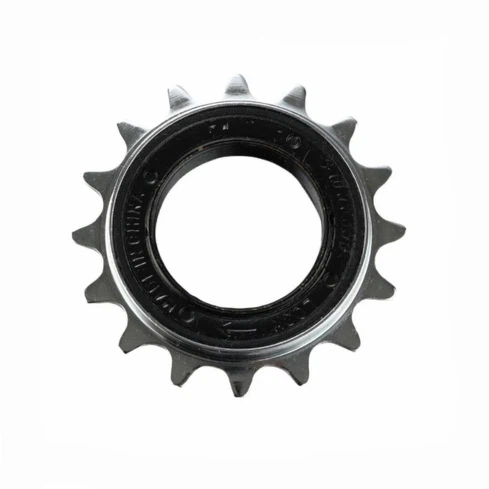
This is Ningbo Shenglu Bicycle Industry Co., Ltd., specializing in the production of bicycle accessories for more than 20 years. The main products include bicycle flower drums, brakes, axles, wheel hubs, bowl sets, flywheels, and other series. Our products cover over 100 countries including the United States, European Union, South Korea, Japan, Australia, Iran, Iraq, South Africa, and are world-renowned brands. If you are looking for a stable and reliable bicycle parts supplier, please feel free to contact us to discuss cooperation.
Enterprise website:https://www.hubs-sf.com Business email:sales@shunfeng-china.com
Product Display




Enterprise video website:https://www.shunfenghub.com Business email:sales@shunfeng-china.com