

 English
  русский
  Français
  Español
  Português
  عربى
عربى 
Submit feedback

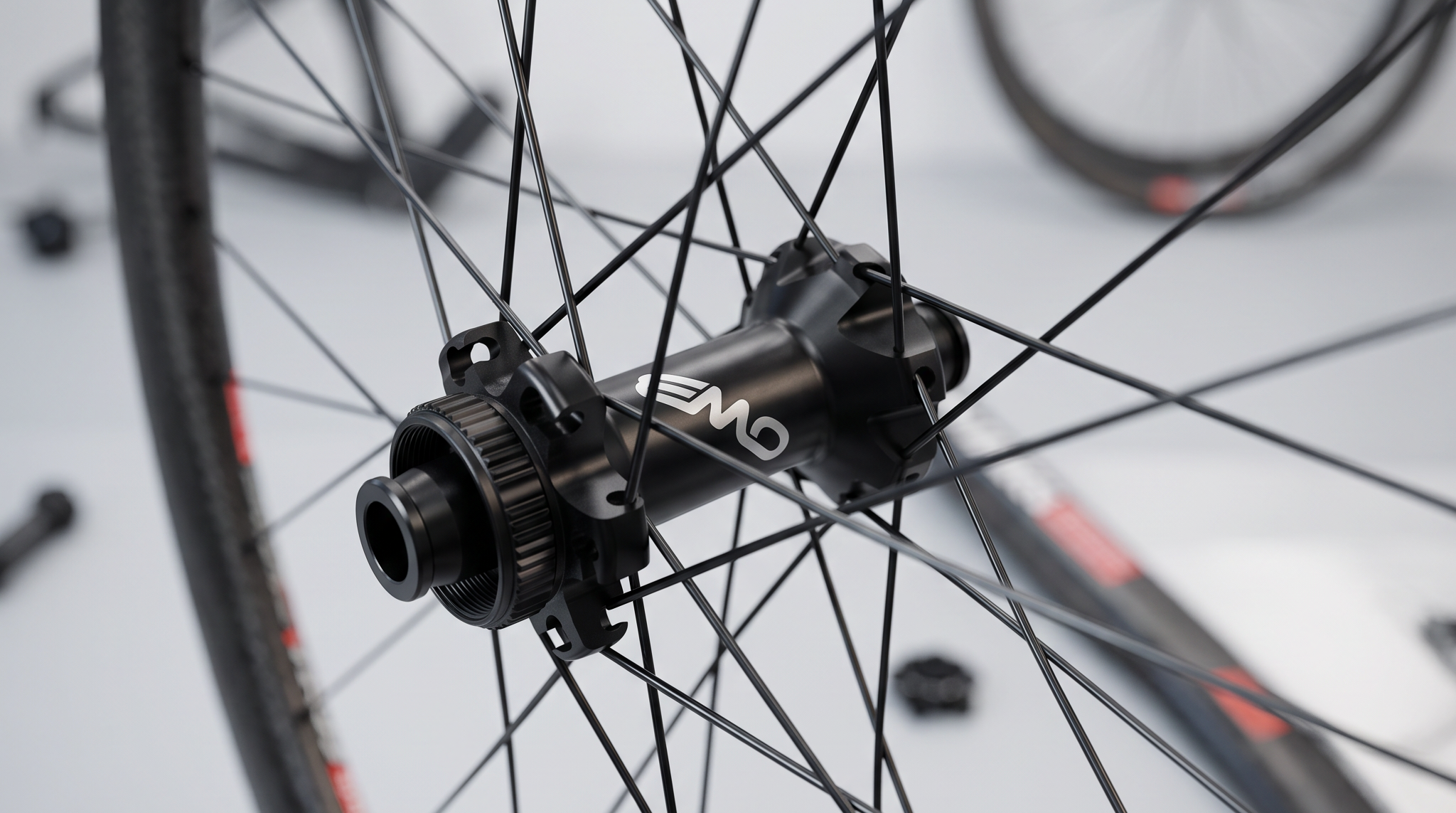
-
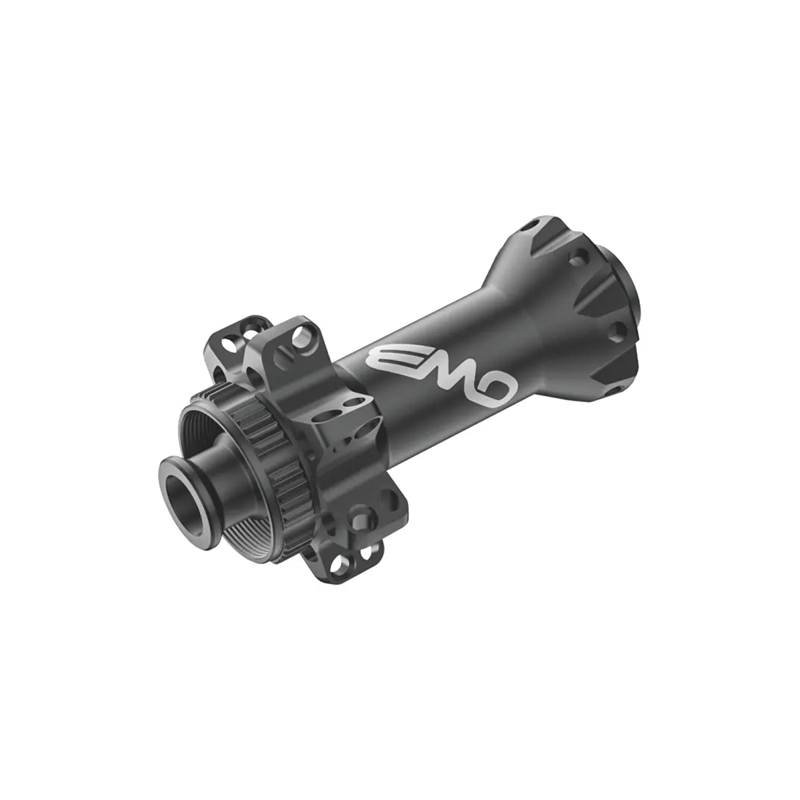 CRT-T01F Mid lock disc brake cylinder shaft carbon strip road front flower drumThis high-performance bicycle straight pull flower drum is equipped with a 2:1 21H professional hole design and a 7075 aviation aluminum alloy shell, ...Read more
-
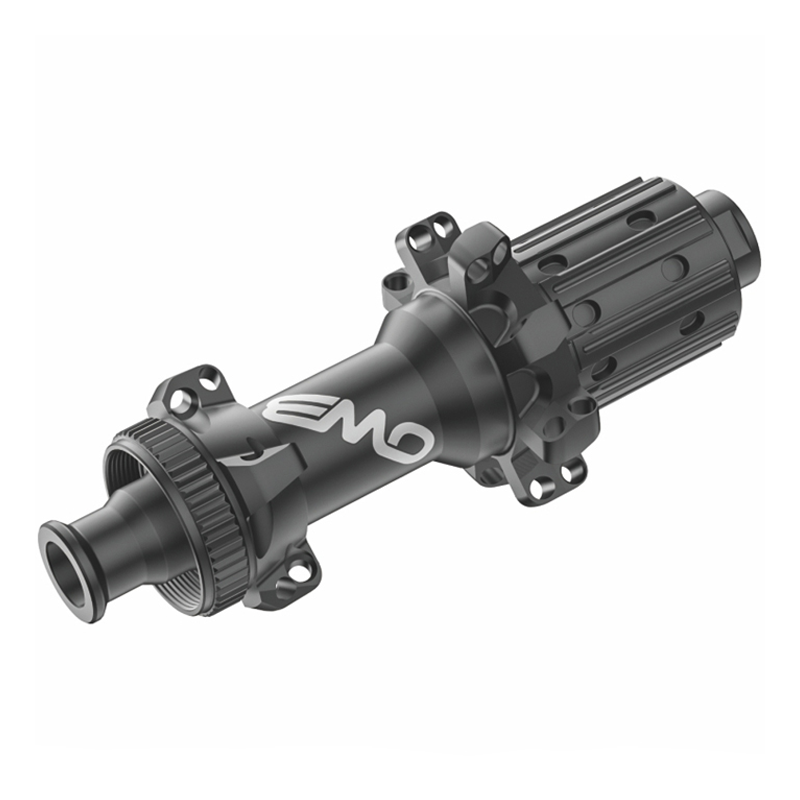 CSRT1-361R Mid lock disc brake cylinder shaft carbon strip road car planetary gear rear flower drumThis bicycle's straight pull flower drum adopts a 2:1 24-hour scientific hole position matched with a precision planetary gear ratchet structure, and ...Read more
-
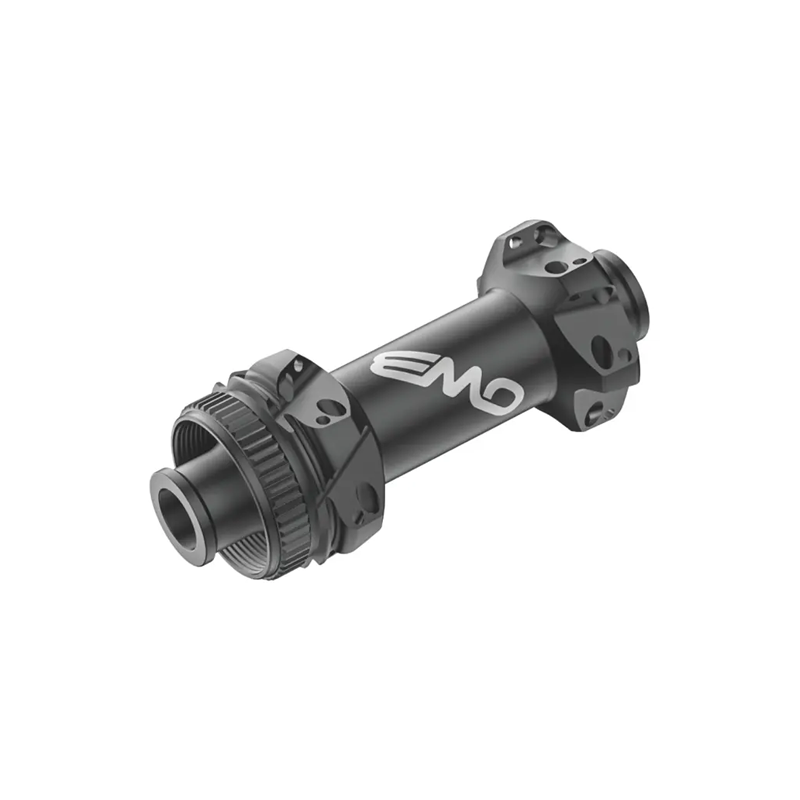 RT-T03F Mid lock disc brake cylinder axle road front flower drumThis high-performance bicycle straight pull flower drum features a professional 1:1 24-hour balanced hole design, paired with a high-quality 7075 alum...Read more
-
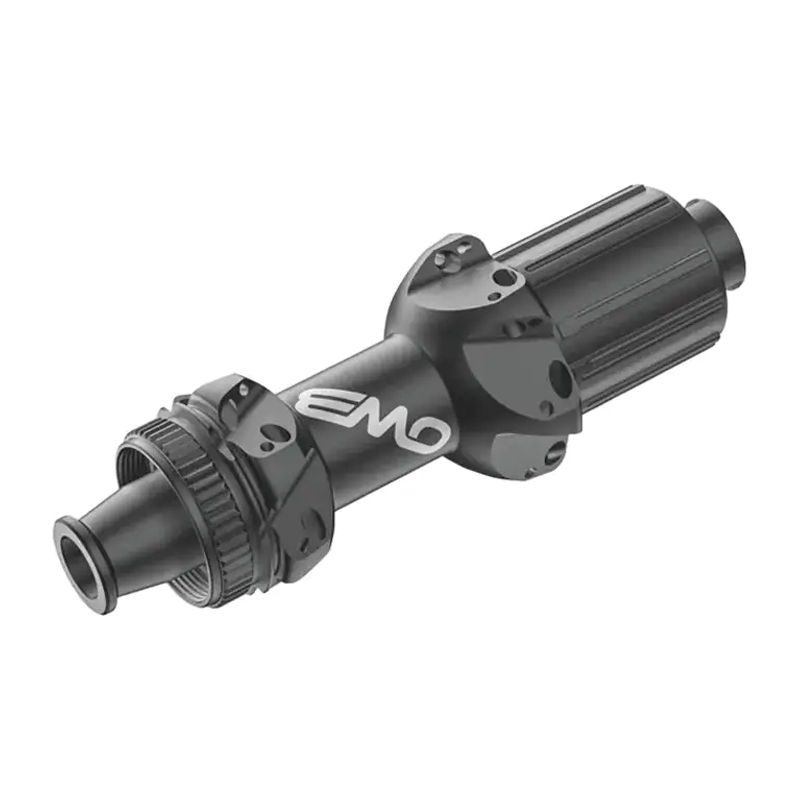 SRT3-361R Mid lock disc brake cylinder axle road car planetary gear rear flower drumThis high-quality bicycle straight pull flower drum is equipped with a 1:1 24-hour symmetrical hole position and a precision planetary gear ratchet st...Read more
-
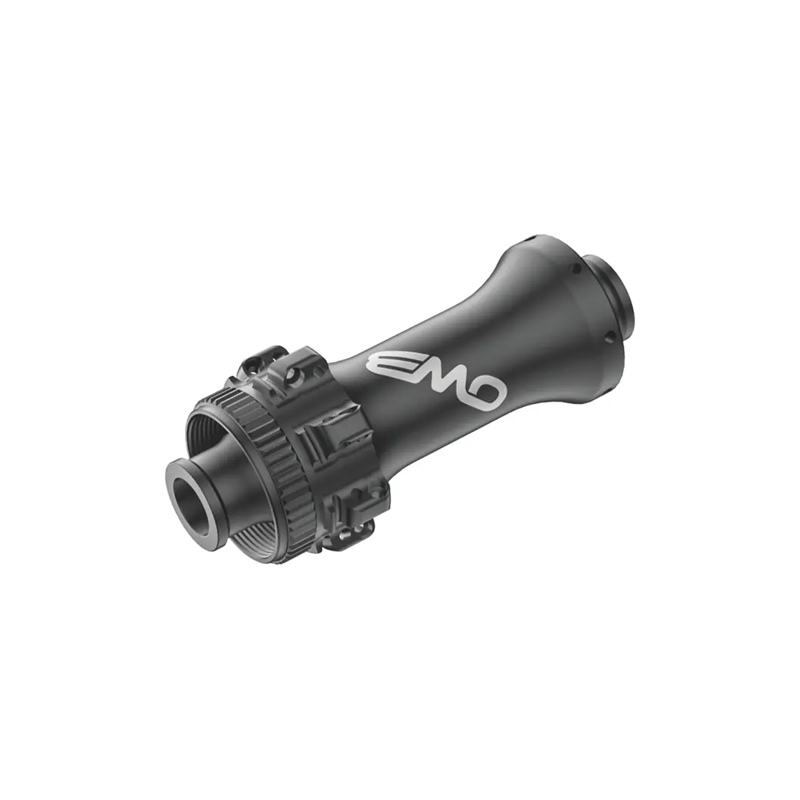 RT-T41F Mid lock disc brake cylinder axle road car economy model front flower drumThis high-performance bicycle straight pull flower drum adopts a professional 2:1 21H hole design, with a solid overall structure, outstanding rigidit...Read more
-
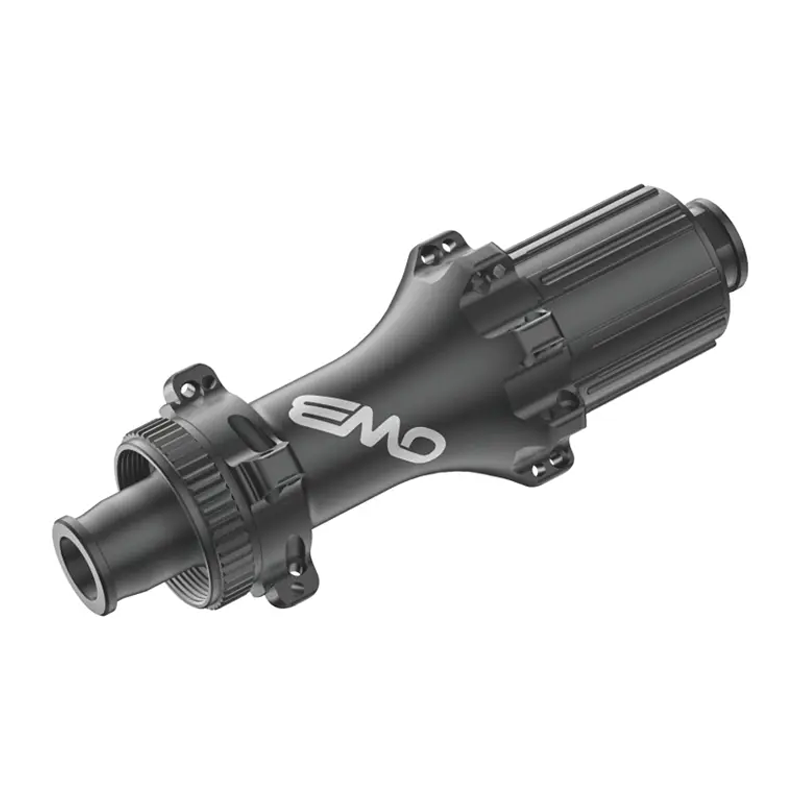 SRT4-361R Mid lock disc brake cylinder axle road car rear flower drumThis high-performance bicycle straight pull flower drum is equipped with an optimized 2:1 24-hour hole structure, with high overall strength and excel...Read more
-
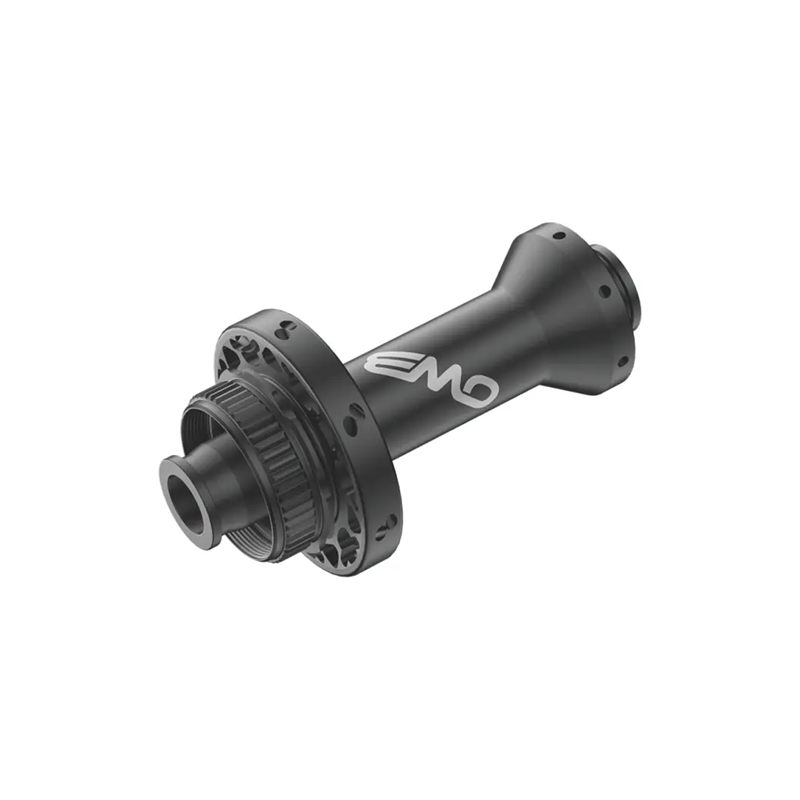 RT-T07F Mid lock disc brake cylinder axle road front flower drumThis high-end bicycle straight pull flower drum adopts a 2:1 18H professional hole position matched with a 7075 aluminum alloy shell, with a closed de...Read more
-
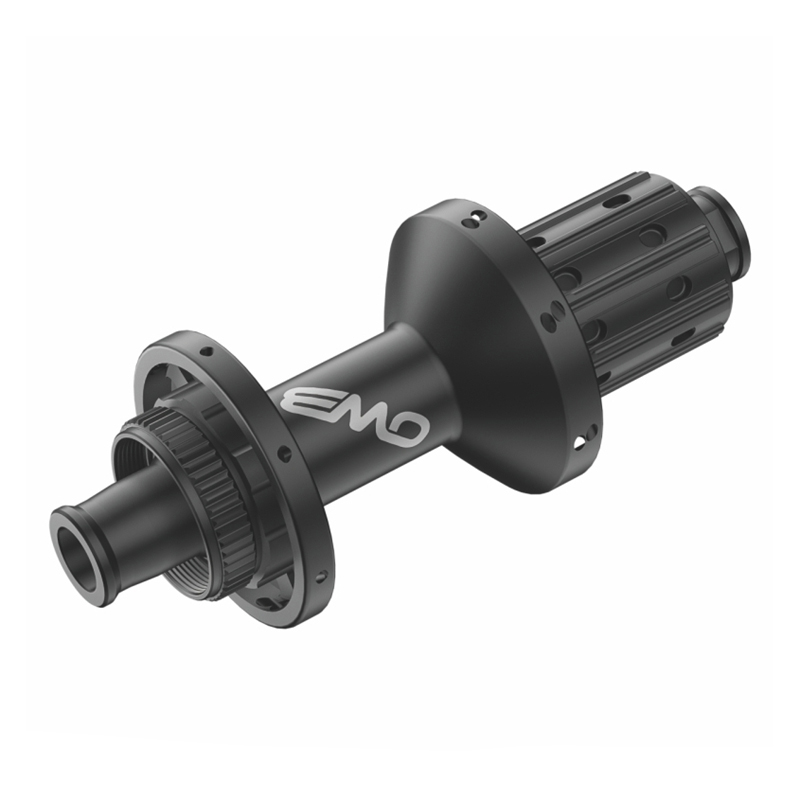 SRT7-361R Mid lock planetary gear ratchet structure cylindrical axle road car straight pull flower drumThe core selling point of this mid lock planetary gear ratchet structure cylindrical road car straight pull flower drum is the "2:1 21H hole position+...Read more
-
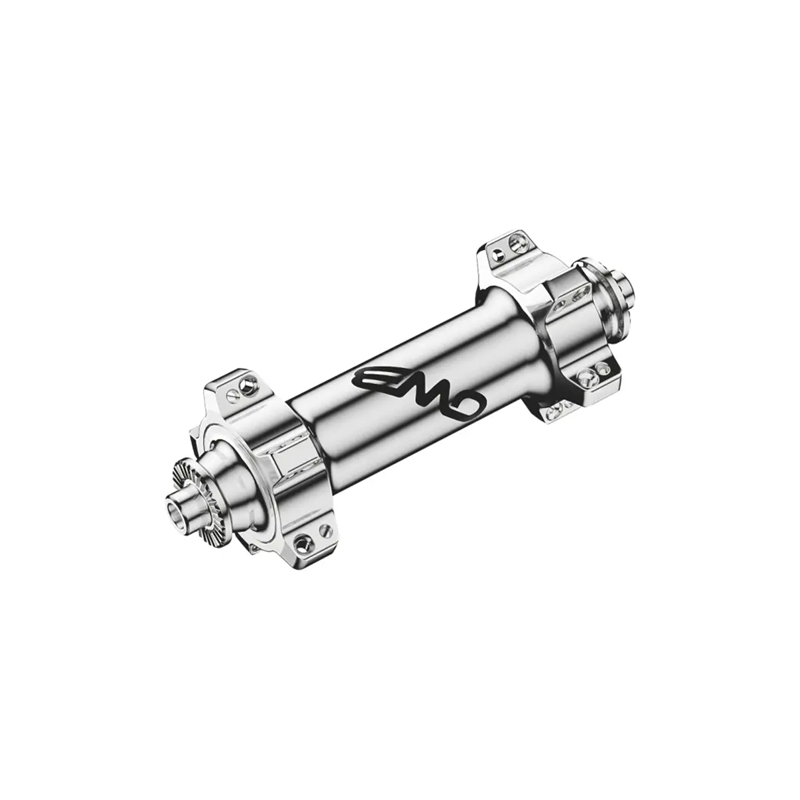 RT0-Q02F Ring brake quick release highway car flower drumThe core selling point of this lightweight and high-strength ring brake drum is its dual-mode compatible design of "quick disassembly of the ring brak...Read more
-
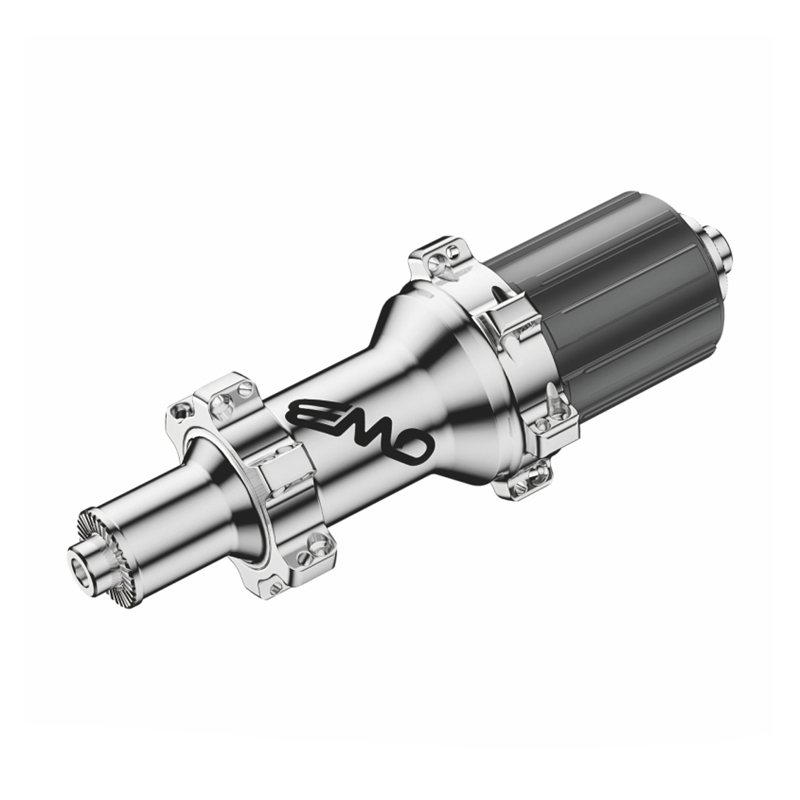 SRT02-Q361R Ring brake planetary gear ratchet structure quick detachable road vehicle straight pull flower drumThe core selling point of this lightweight and high-strength ring brake drum is the triple combination of "planetary gear ratchet+quick release ring b...Read more
-
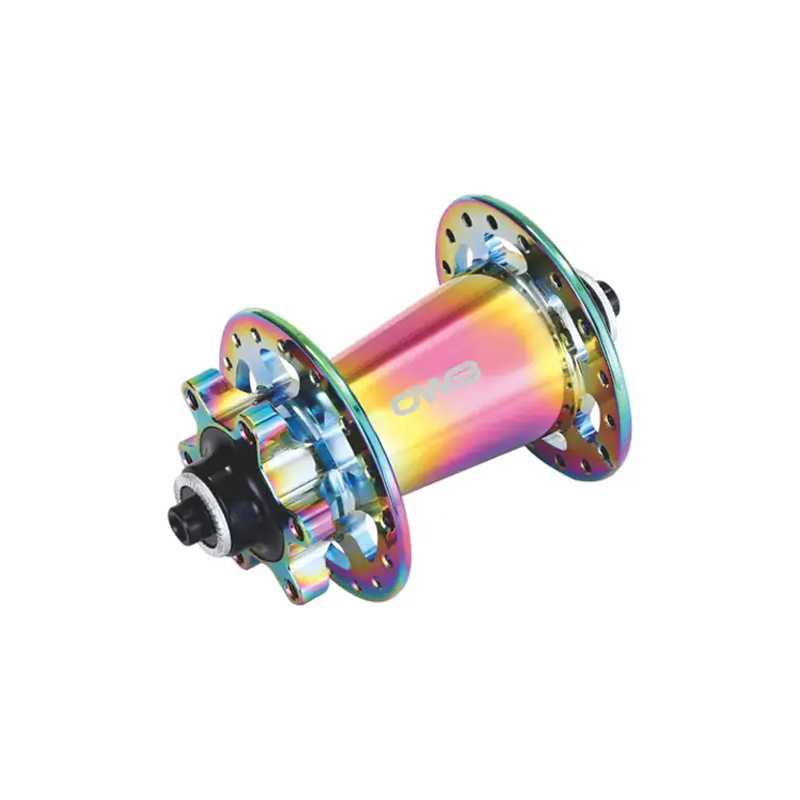 ND-Q01F Slanted middle pipe highway car flower drumA visually appealing diagonal tube shape. Both road bikes and mountain bikes can be adapted. By replacing the side cover, it can be transformed into 1...Read more
-
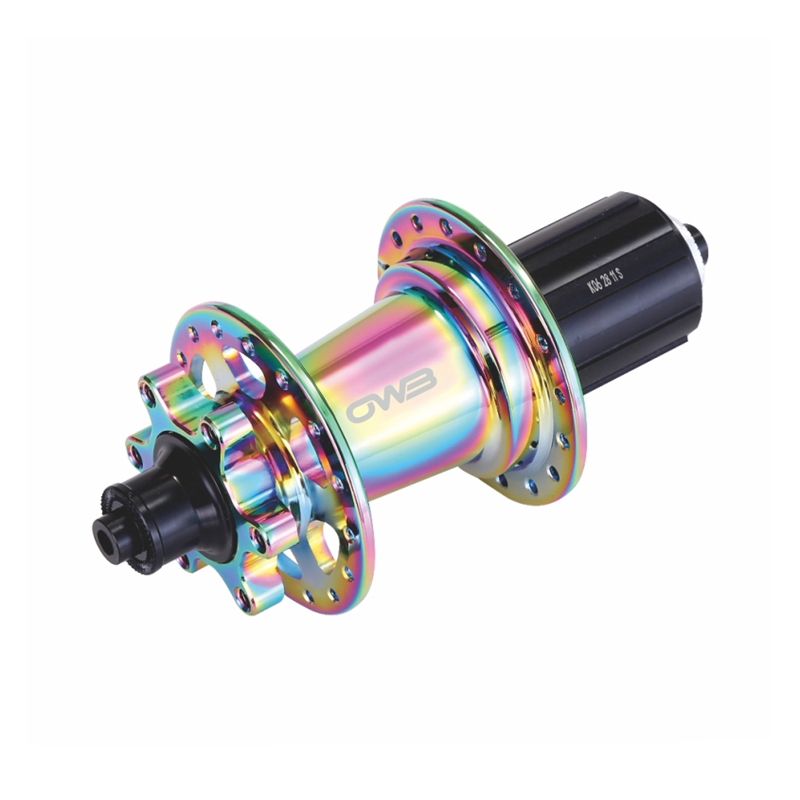 ND-Q1201R 8-12S Road car ratchet flower drumThe axle skin of this ND-Q1201R adopts a unique inclined tube shaped design. Can be freely paired with road bikes, mountain bikes, and other vehicle m...Read more
About SHENGLU
China bicycle hub manufacturers and wholesale steel bike hub suppliers
, founded in 1998, Shenglu is a professional manufacturer specializing in bicycle components, including hubs, freewheels, disc brakes and wheel sets.
Manufacturing Built for
Stable Supply
Our production strength is built on a fully integrated manufacturing system and controlled internal coordination.
All major manufacturing processes — including metal processing, forging, CNC machining, surface treatment, heat treatment and final assembly — are completed within our own facilities.
-
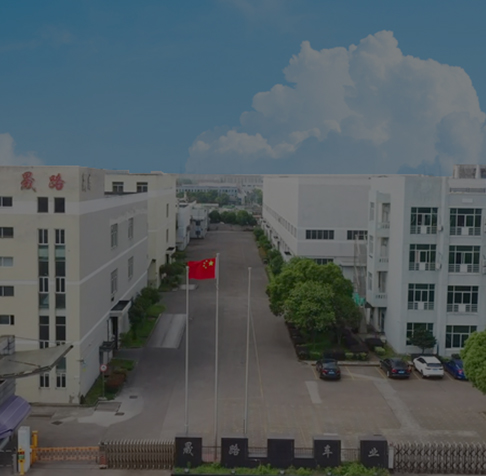
Over 80,000 square meters
Factory Area
-
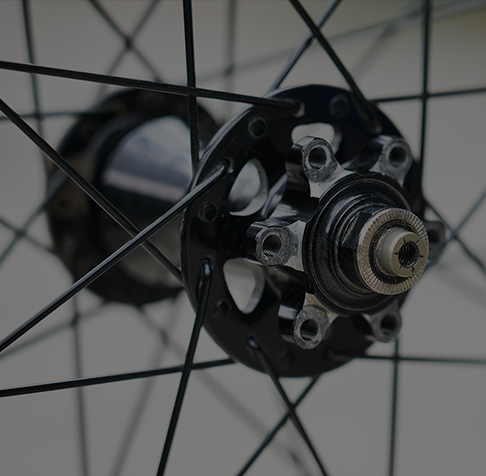
About 15 million sets
Annual Output of Bicycle Hubs
-

Over 5 million pieces
Annual Output of Bicycle Freewheels
-
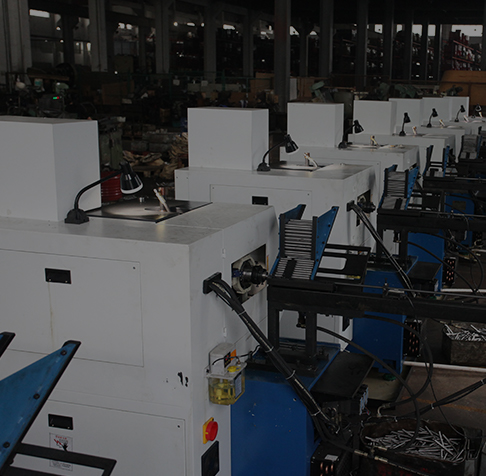
Up to 1.3 million pieces
Monthly Supply Capacity
The integrated production system is more suited for consistent, repeatable and stable supply.

-
2026-07-09
Engineering the Modern Road Bike Wheel Hub: Rotational Efficiency, Engagement Dynamics, and Structural StandardsThe Central Role of the Hub in Road Cycling Dynamics The road bike wheel hub serves as the absolute foundational foundation for wheel structural inte...Read more -
2026-07-03
Are Bicycle Disc Brakes Better? Full Comparison Guide 2026Yes, bicycle disc brakes are better than rim brakes for the vast majority of riders. They deliver stronger, more consistent stopping power, perform f...Read more -
2026-06-26
Ningbo Shenglu Bicycle Co., Ltd. Participated in Shanghai Bicycle ExhibitionNingbo Shenglu Bicycle Co., Ltd. recently participated in a bicycle industry exhibition held in Shanghai, China. The event gathered manufacturers, sup...Read more


 TEL: +86-15356655590
Mobile: +86-18868195070
Email: [email protected]
No. 686, Binhai 2nd Road, Hangzhou Bay New Area, Ningbo City, Zhejiang Province, China
TEL: +86-15356655590
Mobile: +86-18868195070
Email: [email protected]
No. 686, Binhai 2nd Road, Hangzhou Bay New Area, Ningbo City, Zhejiang Province, China
Copyright © Ningbo Shenglu Bicycle Co., Ltd. All Rights
Reserved
Wholesale Bicycle Hub Manufacturers
