Product Technical Structure and Classification of Disc Brake Systems (Bike Disc Brake)
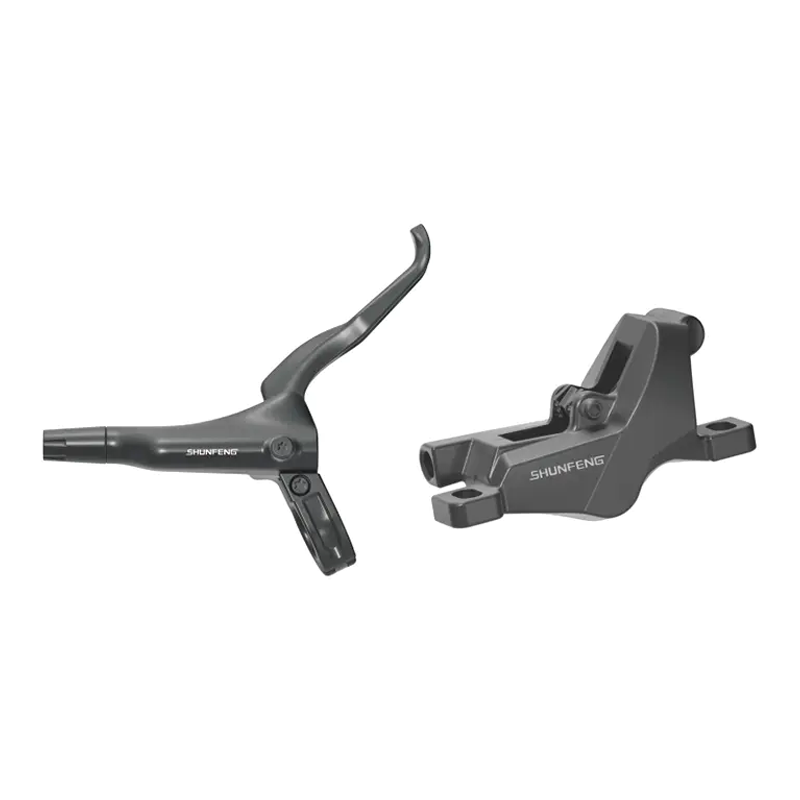
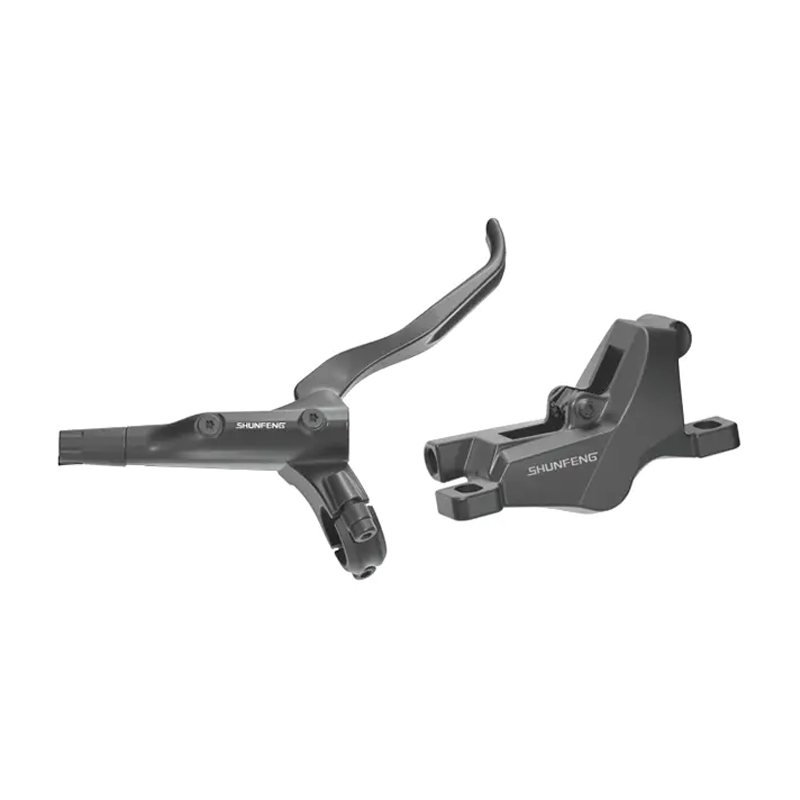
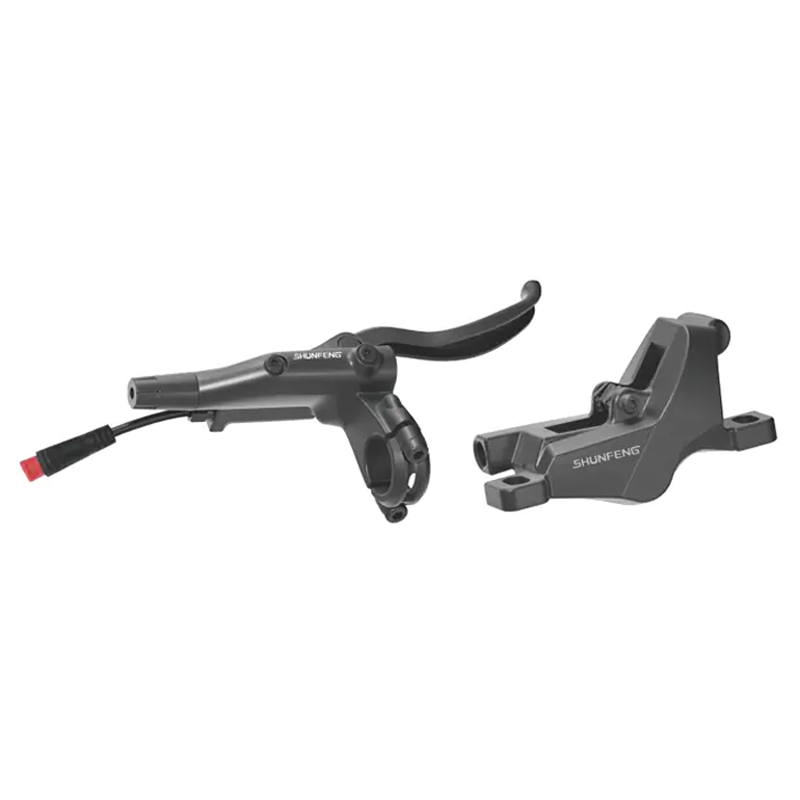
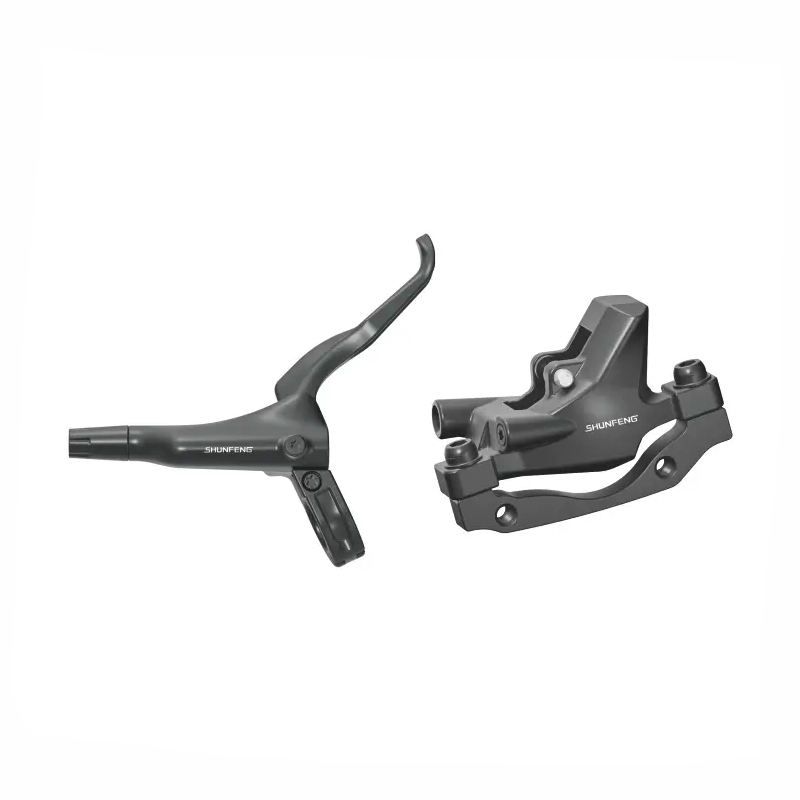
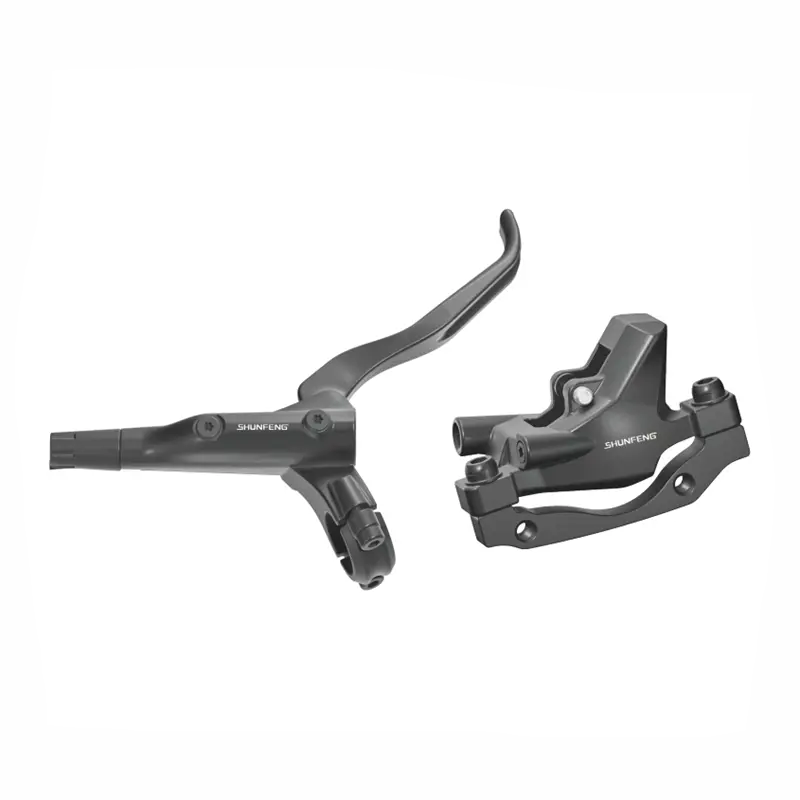
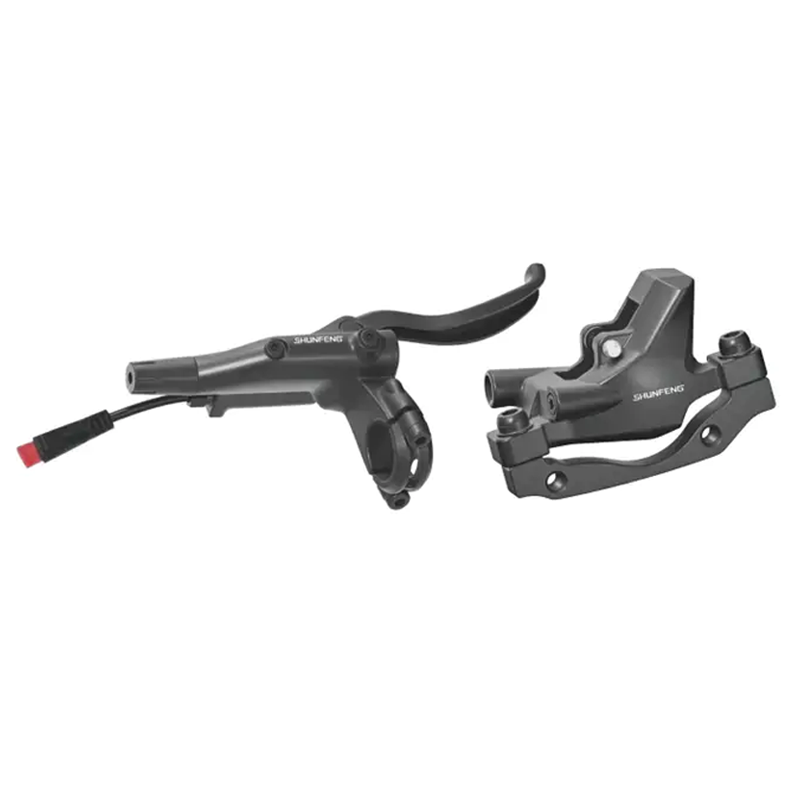
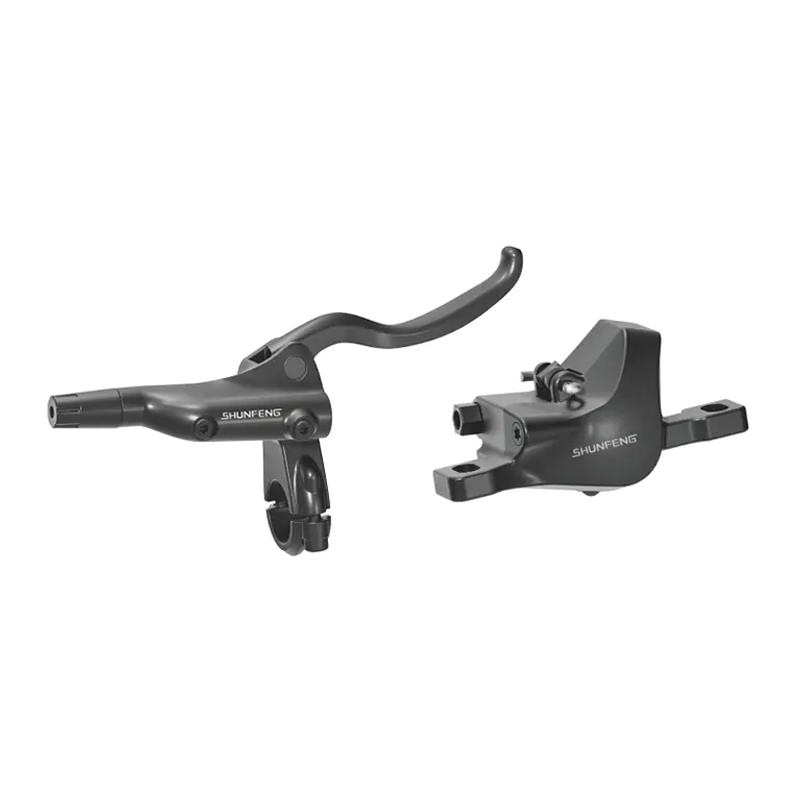
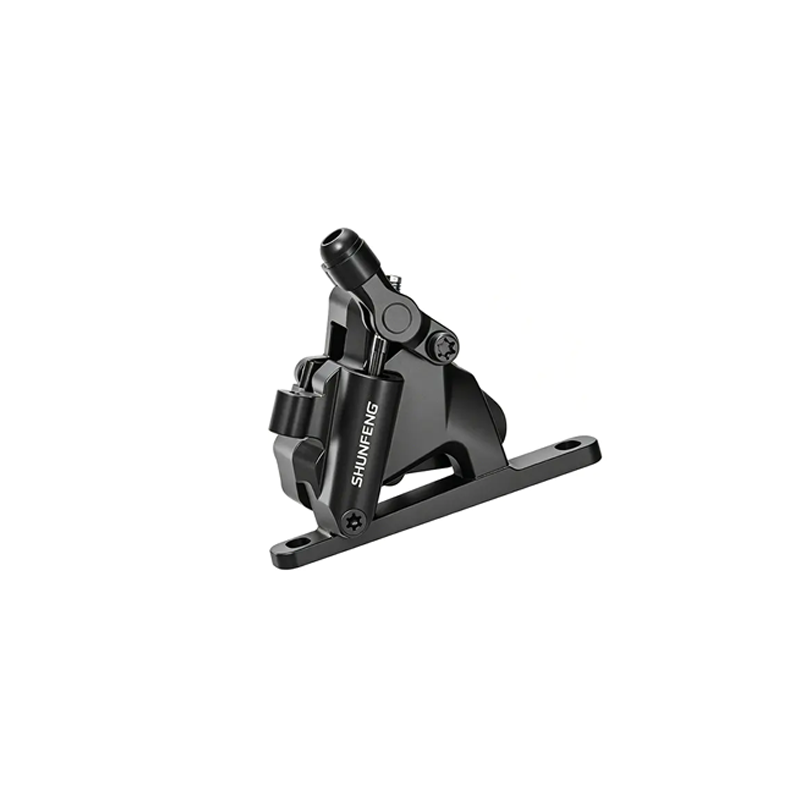
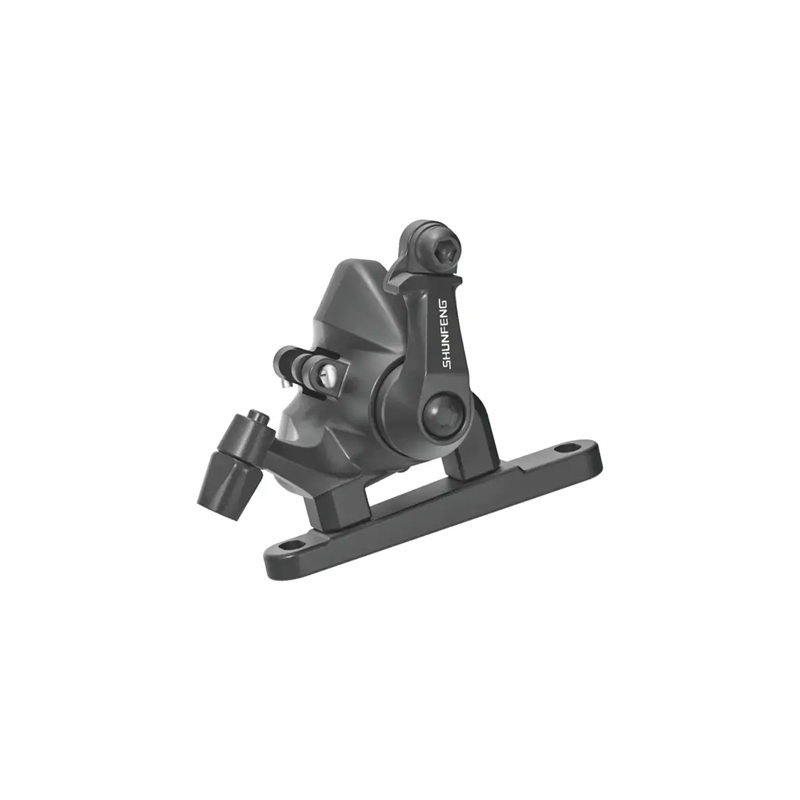
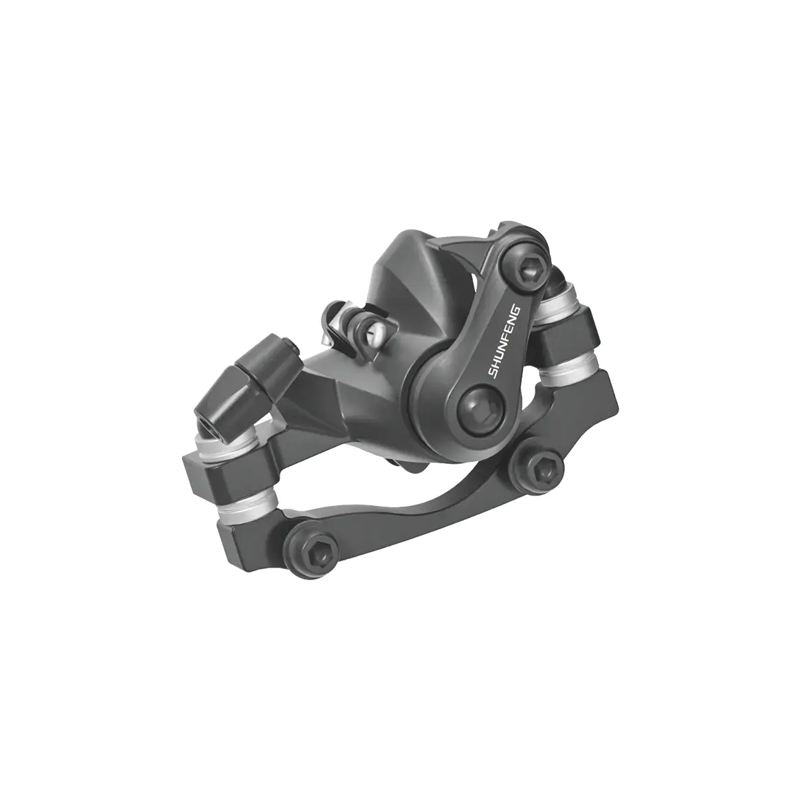
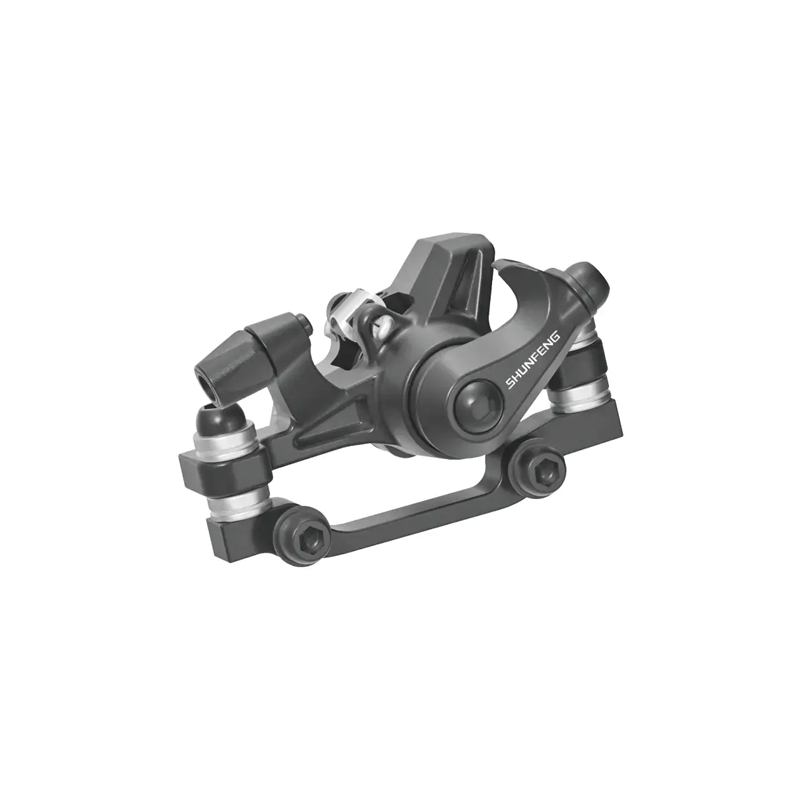
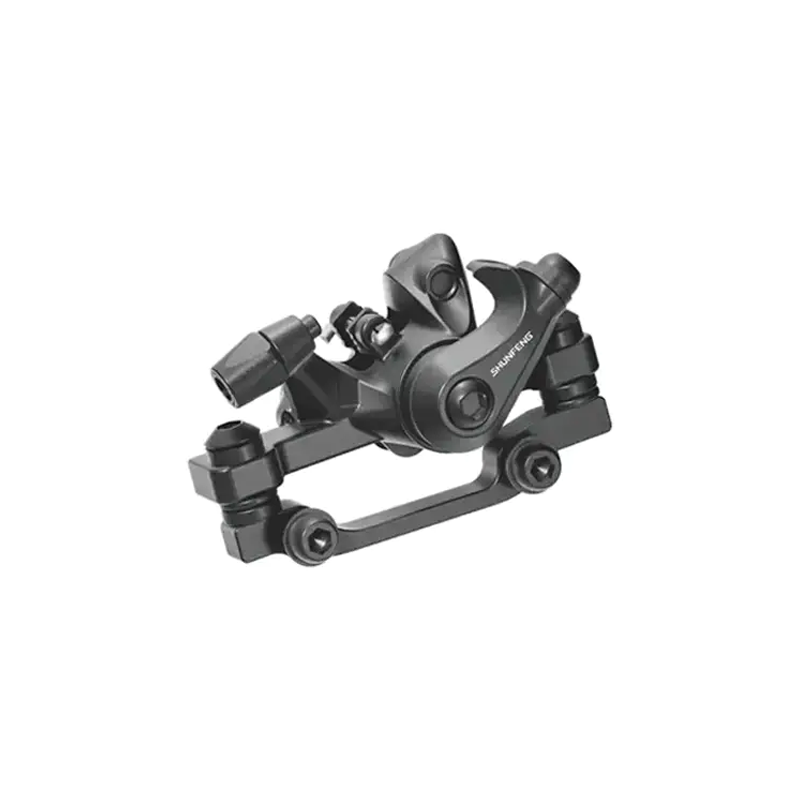
Bike Disc Brake is one of the key braking systems in modern bicycles and plays a central role in overall riding safety. Its design focuses on braking efficiency, thermal stability, and adaptability to complex riding conditions. Based on different actuation media, Bike Disc Brake can be divided into mechanical disc brakes and hydraulic disc brakes. Mechanical disc brakes use cable actuation to drive the caliper movement, offering a relatively simple structure and straightforward maintenance logic, making them suitable for entry-level mountain bikes and commuter bicycles. Hydraulic disc brakes rely on brake fluid pressure transmission in a sealed system, providing more consistent braking force distribution and stronger performance in long downhill or high-intensity riding conditions.
Hydraulic systems can be further divided into open systems and closed systems. Open hydraulic systems reserve space for fluid expansion, ensuring stable lever feel under temperature changes. Closed hydraulic systems use isolated circuits to achieve higher pressure control precision. These structural differences provide diverse design options for OEM/ODM Bike Disc Brake Manufacturers.
From the perspective of friction materials, brake pad selection significantly affects braking performance and durability. Organic pads offer quieter operation and smoother initial braking response, while metallic pads provide stronger wear resistance and stability under high temperatures. Different brake systems also require strict compatibility with brake fluids such as mineral oil or DOT-standard fluids, which cannot be mixed. These technical requirements are strictly controlled in OEM/ODM Bike Disc Brake Factory production and testing processes.
Bike Disc Brake is widely used in mountain bikes, road bikes, and urban commuter bicycles. Compared with traditional rim brake systems, disc brakes provide more centralized braking force at the hub, reducing performance loss caused by rim deformation or wet conditions, improving overall riding safety and control stability.
OEM/ODM Bike Disc Brake Manufacturers & Factory Production System and Material Engineering
In the global supply chain system, OEM/ODM Bike Disc Brake Manufacturers and OEM/ODM Bike Disc Brake Factory play a key role from structural design to mass production. Their manufacturing capabilities directly determine product adaptability and competitiveness in different markets. Modern disc brake production involves not only mechanical processing but also material engineering, surface treatment technology, and automated assembly systems.
At the structural design level, manufacturers must adapt products to different frame standards, including axle spacing, mounting interfaces, and caliper positioning accuracy. Wheel system compatibility is also essential, especially differences between quick release and thru axle systems, which must be validated during early-stage development. OEM/ODM manufacturers rely heavily on CNC machining to ensure batch consistency and structural stability.
Material and surface treatment systems are critical to product lifespan and appearance stability. Aluminum alloy is the primary structural material due to its strength-to-weight advantages and machinability. Surface treatment processes such as anodizing, electrophoresis coating, and electroplating are widely used to enhance corrosion resistance and long-term appearance consistency. OEM/ODM factories ensure batch stability through automated coating systems and inspection processes.
Structural Module | Technical Options | Performance Impact | Application Scenario
| Brake Structure |
Mechanical / Hydraulic |
Braking response and control precision |
MTB / Road / Commuter |
| Axle System |
QR / Thru Axle |
Rigidity and mounting stability |
High-performance bicycles |
| Material Selection |
Aluminum / Composite |
Weight and strength balance |
Full range products |
| Surface Treatment |
Anodizing / Electrophoresis / Plating |
Corrosion resistance and appearance stability |
Outdoor long-term use |
| Production Mode |
OEM / ODM |
Product customization capability |
Branding and mass supply |
Manufacturers also implement comprehensive testing systems including thermal fade tests, wet condition braking tests, and long-term fatigue testing. These processes are conducted in internal laboratories to ensure reliability across different environments.
In the global supply chain, factories serve not only as production centers but also as technology integration hubs. Through automated assembly lines and digital quality systems, OEM/ODM Bike Disc Brake Factory operations minimize tolerance deviations and ensure high consistency in mass production.
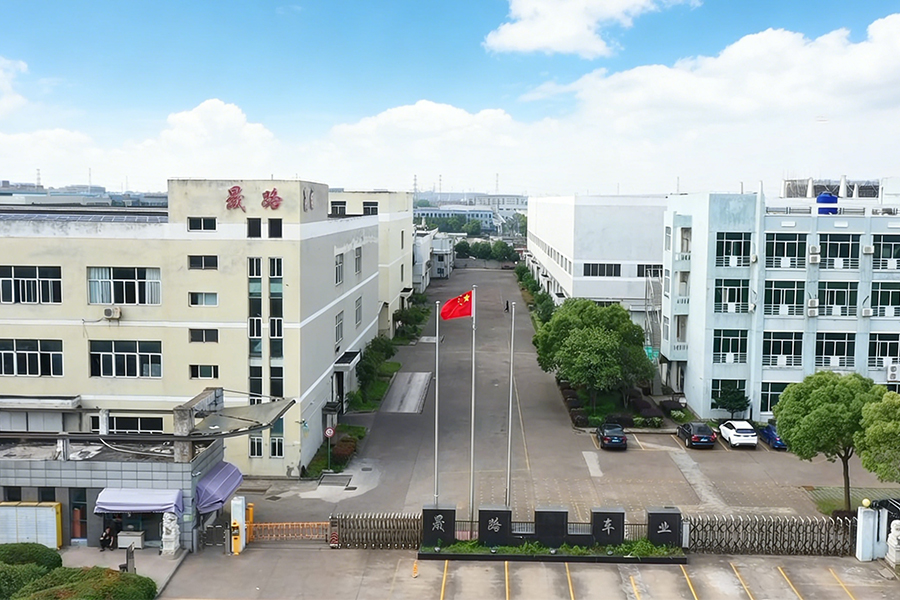
Customization System and Application Scenarios (Ningbo Shenglu Bicycle Co., Ltd.)
Customization has become a core competitiveness in the bicycle component industry. Ningbo Shenglu Bicycle Co., Ltd. provides structured customization capabilities in Bike Disc Brake systems, integrating engineering design and factory-level manufacturing to ensure scalable production and product consistency.
Structural and specification customization focuses on frame compatibility and installation standards. Different bicycle models require variations in axle spacing, mounting interfaces, and caliper positioning. OEM/ODM Bike Disc Brake Factory systems integrate precision machining to ensure compatibility across different bicycle platforms.
Material and process customization focuses on performance-oriented selection, including aluminum alloy grades and surface treatment combinations to adapt to different environments and climates. Standardized production workflows ensure balance between customization flexibility and mass production efficiency.
Branding and identification systems are also part of OEM/ODM manufacturing services. Laser engraving and structural marking allow brand recognition without affecting structural integrity. Packaging systems are adjusted according to different logistics requirements and international market standards to ensure product protection and presentation quality.
Bike Disc Brake applications extend beyond traditional sports bicycles into commuter bikes, shared mobility systems, and lightweight folding bicycles. Different use cases require adjustments in braking force curves and maintenance cycles, which are addressed during product development.
Ningbo Shenglu Bicycle Co., Ltd. integrates machining equipment and assembly processes to form a closed-loop production system, improving consistency and supply chain coordination with global partners.
FAQ
Q1: What are the main advantages of Bike Disc Brake compared to rim brakes?
Bike Disc Brake provides more stable braking performance, better wet-condition adaptability, and reduced dependency on rim condition, improving overall safety and control.
Q2: What types of systems do OEM/ODM Bike Disc Brake Manufacturers produce?
They mainly produce mechanical disc brake systems and hydraulic disc brake systems with different structural configurations for various bicycle applications.
Q3: How does an OEM/ODM Bike Disc Brake Factory ensure production consistency?
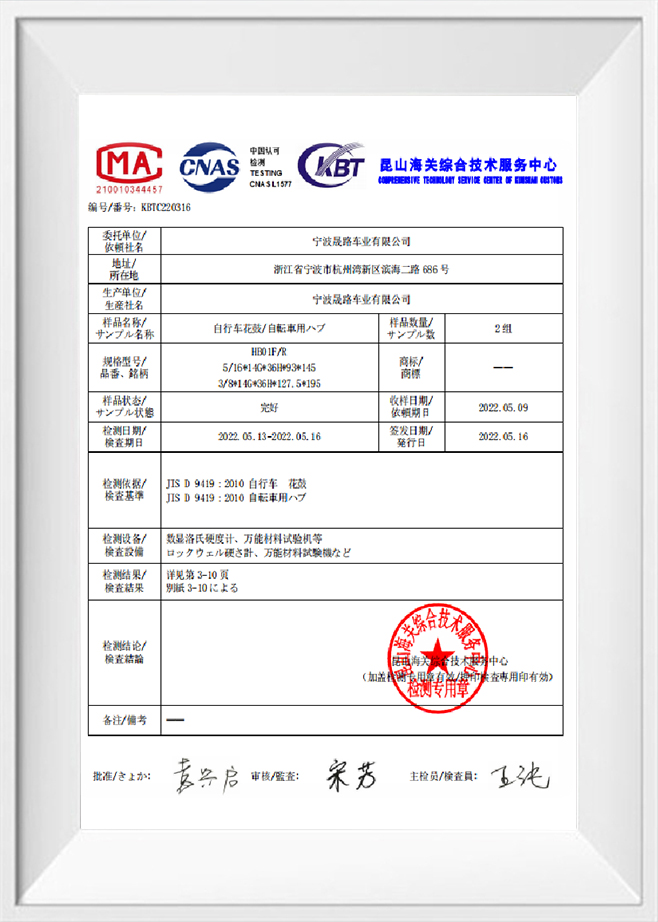
Consistency is maintained through CNC precision machining, automated assembly systems, and multi-stage performance testing processes.
Q4: What does customization typically include?
Customization includes structural dimensions, axle systems, materials, surface treatments, branding, and packaging solutions.
Q5: How do different brake pad materials affect performance?
Organic pads provide quieter and smoother braking, while metallic pads deliver higher durability and better high-temperature resistance.



 English
  русский
  Français
  Español
  Português
  عربى
عربى