Multi-Speed Freewheel Product Classification and Core Role in Drivetrain Systems
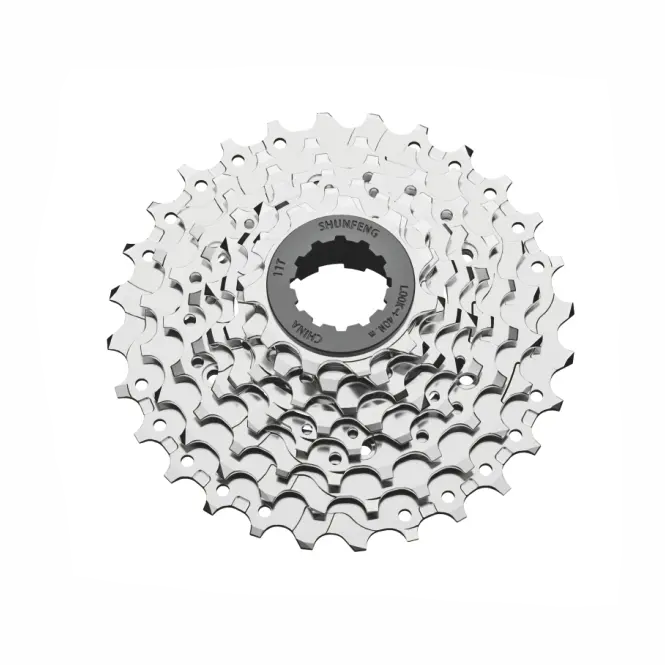
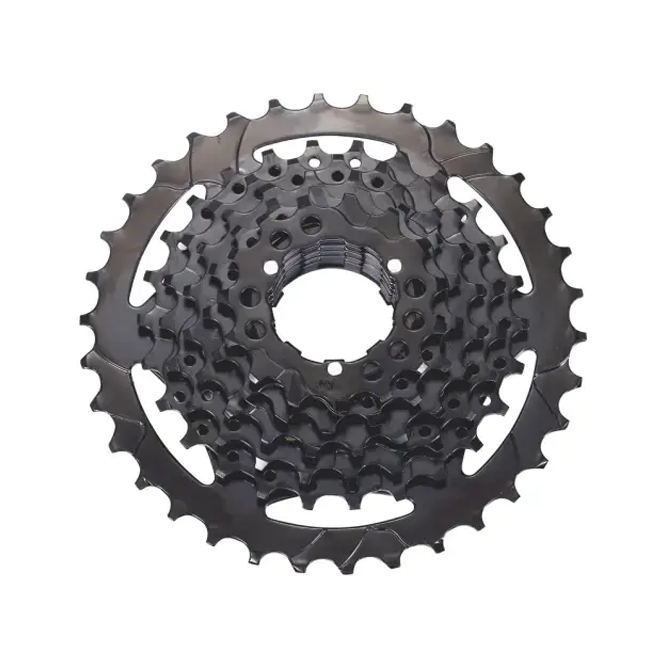
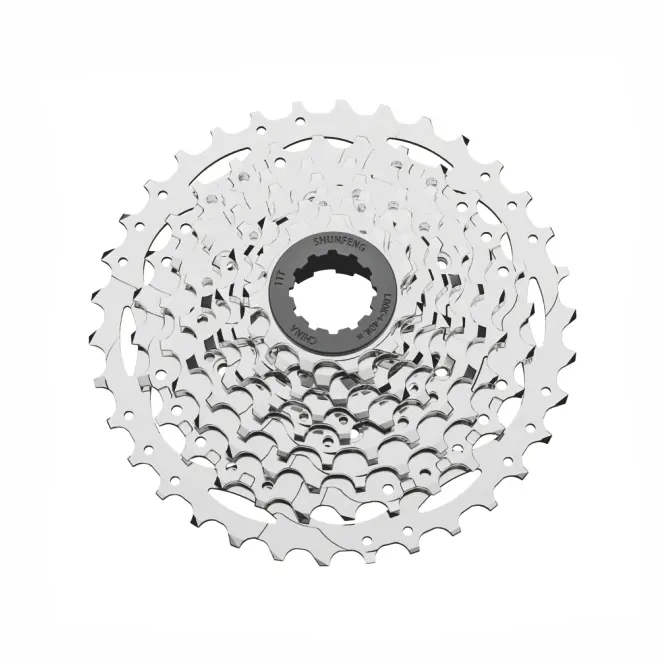
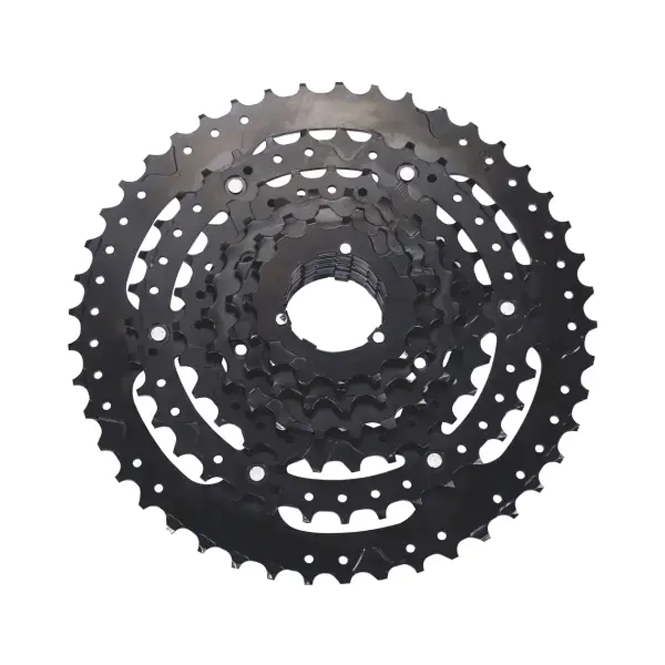
Multi-Speed Freewheel is a core component of the bicycle rear-wheel drivetrain system. It plays a key role in connecting the chain and the rear hub, enabling multiple gear ratios through different sprocket combinations. This allows riders to switch between riding conditions such as flat-road cruising, uphill climbing, and downhill coasting, thereby optimizing pedaling resistance and power output efficiency.
In modern bicycle manufacturing systems, the Multi-Speed Freewheel is not only a mechanical transmission component but also a critical part that directly affects shifting responsiveness, energy transmission efficiency, and overall riding comfort. It is widely used in mountain bikes, road bikes, and urban commuter bicycles, where its structural precision and manufacturing consistency significantly influence overall bicycle performance.
Within the global supply chain, Multi-Speed Freewheel products are developed and delivered through a structured ecosystem involving suppliers, manufacturers, and factories. Custom Multi-Speed Freewheel Suppliers focus on application requirements and customization coordination, while Custom Multi-Speed Freewheel Manufacturers are responsible for engineering design and production processes. Factories execute large-scale manufacturing to ensure stable output and consistent quality.
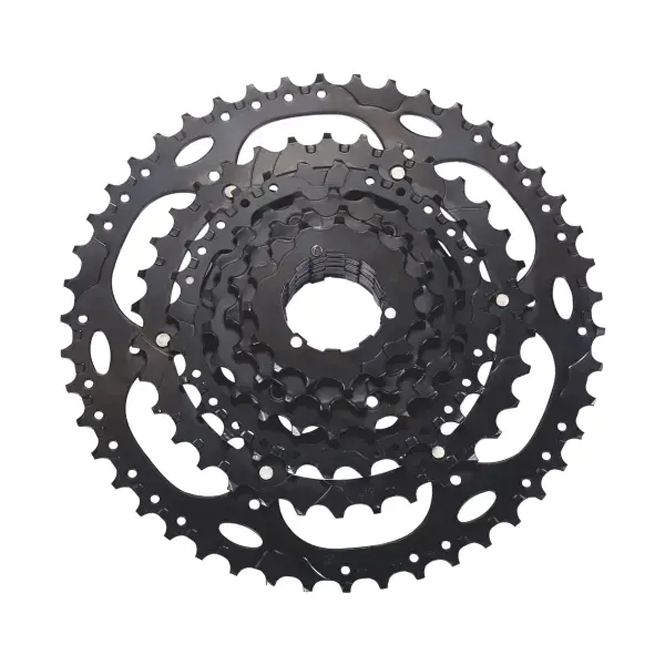
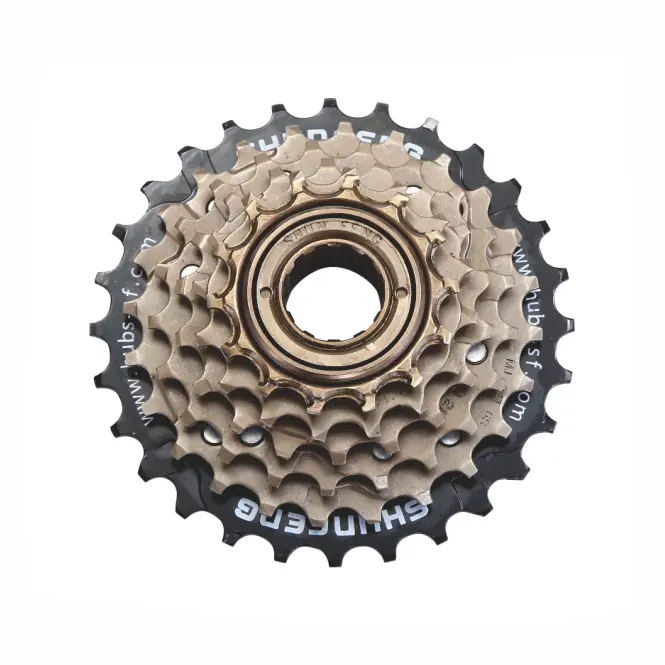
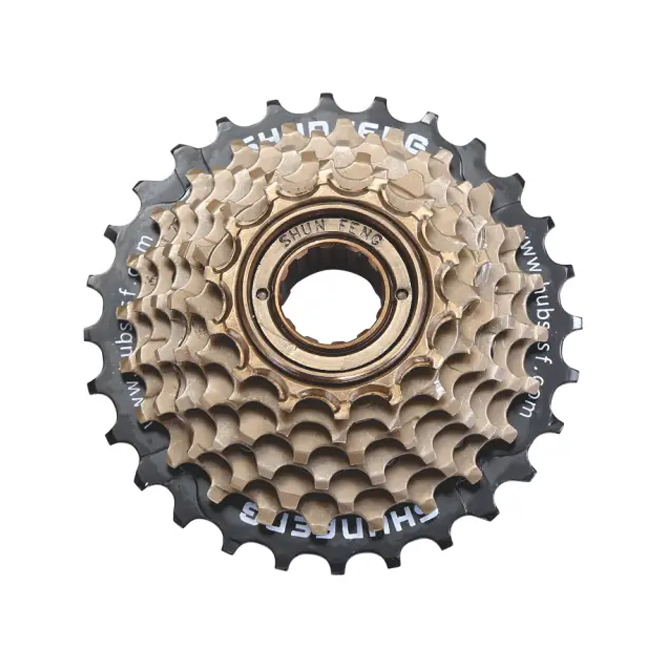
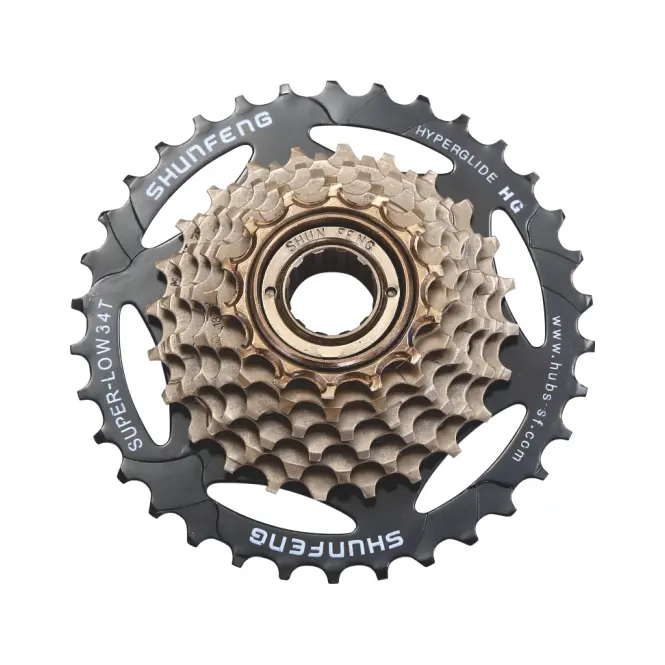
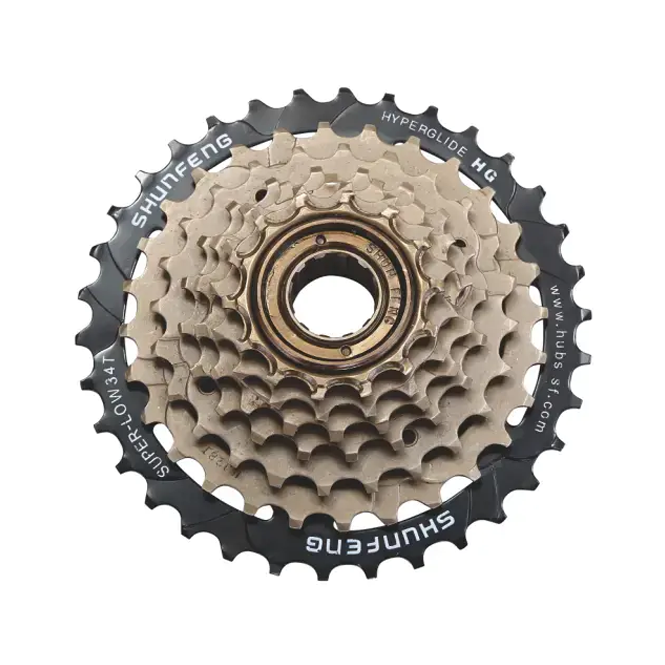
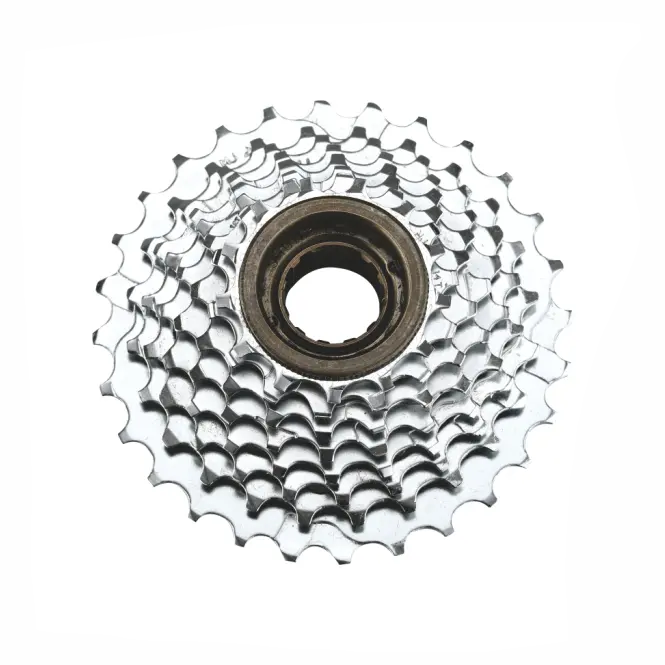
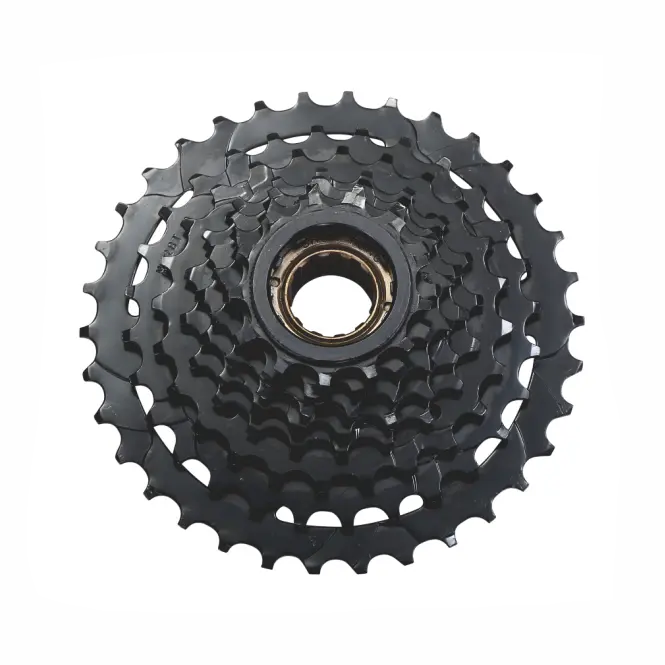
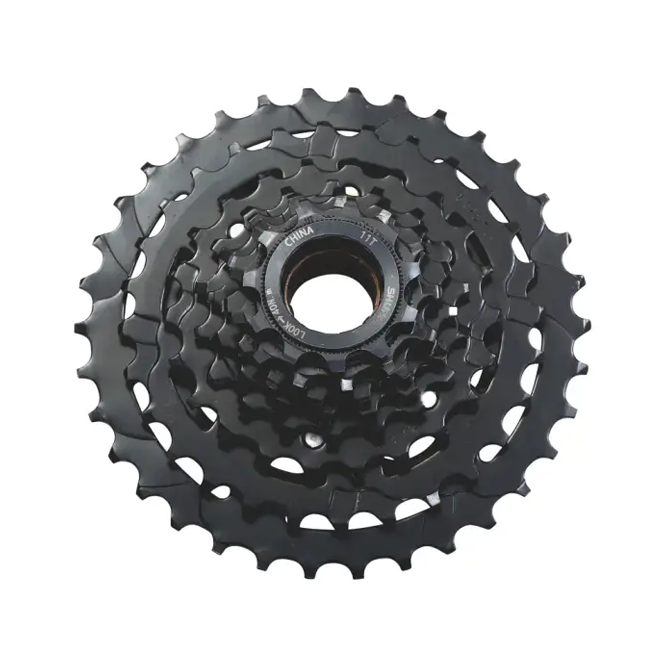
Structurally, multi-speed freewheels consist of multiple sprocket layers with varying tooth sizes, combined with a ratchet mechanism that enables one-way power transmission and free coasting. When the rider pedals, power is transmitted through the chain to drive the rear wheel. When pedaling stops, the internal ratchet mechanism disengages, allowing the bicycle to coast smoothly. This structure improves riding efficiency and reduces fatigue during long-distance cycling.
Multi-Speed Freewheel products can be categorized based on gear range, number of sprockets, material selection, and compatibility systems. Entry-level models are typically designed for urban commuting with a focus on durability and cost efficiency, while high-performance models emphasize smoother shifting, higher structural strength, and stability under continuous load conditions.
In Custom Multi-Speed Freewheel Suppliers and Manufacturers systems, customization capability is a major competitive factor. Customization may include gear ratio configuration, heat treatment optimization, anti-corrosion coating upgrades, and lightweight structural design. These capabilities depend on advanced engineering teams and precision manufacturing systems.
In drivetrain applications, the Multi-Speed Freewheel works in coordination with the chain, chainrings, and rear derailleur system. Its performance directly affects shifting smoothness and energy loss during transmission. High-precision freewheels reduce chain skipping and improve engagement efficiency, ensuring stable power output under complex riding conditions.
Automation Manufacturing System in Multi-Speed Freewheel Production
Automation has become a critical development direction in modern Multi-Speed Freewheel manufacturing. In advanced production systems such as those implemented by Ningbo Shenglu Bicycle Co., Ltd., automation technologies are widely applied to improve production consistency and efficiency.
Ningbo Shenglu Bicycle Co., Ltd. integrates automation across multiple key manufacturing stages, including automated mechanical and sheet metal processing, automated CNC machining operations, automated hub assembly, and automated freewheel assembly systems.
In mechanical and sheet metal processing, automated equipment executes precision cutting and forming operations based on pre-set programming parameters. This ensures consistent geometric accuracy of raw materials before entering subsequent machining stages, reducing deviations caused by manual handling.
During CNC machining operations, automated systems are responsible for precision processing of freewheel sprockets. Program-controlled tool paths and machining parameters ensure consistent tooth angles and depths, improving gear meshing smoothness and durability. This stage is especially important for Custom Multi-Speed Freewheel Manufacturers focused on high-performance products.
In automated assembly processes, internal ratchet components, spring systems, and multi-layer sprocket assemblies are assembled using semi-automated or fully automated equipment. This reduces assembly deviations such as uneven torque or inconsistent spacing, ensuring stable performance in mass production.
During final assembly, automated testing systems perform rotational dynamic tests and load simulation tests to verify one-way transmission stability under different speeds and load conditions. This ensures product reliability before shipment and reduces defect rates.
Automation Across Key Manufacturing Processes improves not only production efficiency but also process stability. Manufacturing shifts from experience-driven methods to data-driven and process-controlled systems, where parameter stability becomes a critical quality control factor.
Supplier-Manufacturer-Factory Collaboration System and Application Scenarios
In the global bicycle component industry, Multi-Speed Freewheel production is supported by a structured network involving suppliers, manufacturers, and factories. Custom Multi-Speed Freewheel Suppliers are responsible for market communication and requirement analysis, while custom multi-speed freewheel manufacturers handle engineering design and production execution. Factories focus on large-scale production and process consistency.
Manufacturers must possess comprehensive engineering capabilities, including structural design optimization, material selection, heat treatment control, and surface treatment processes. Suppliers focus on application adaptation and customer-driven customization solutions for different riding scenarios such as mountain biking, road cycling, and urban commuting.
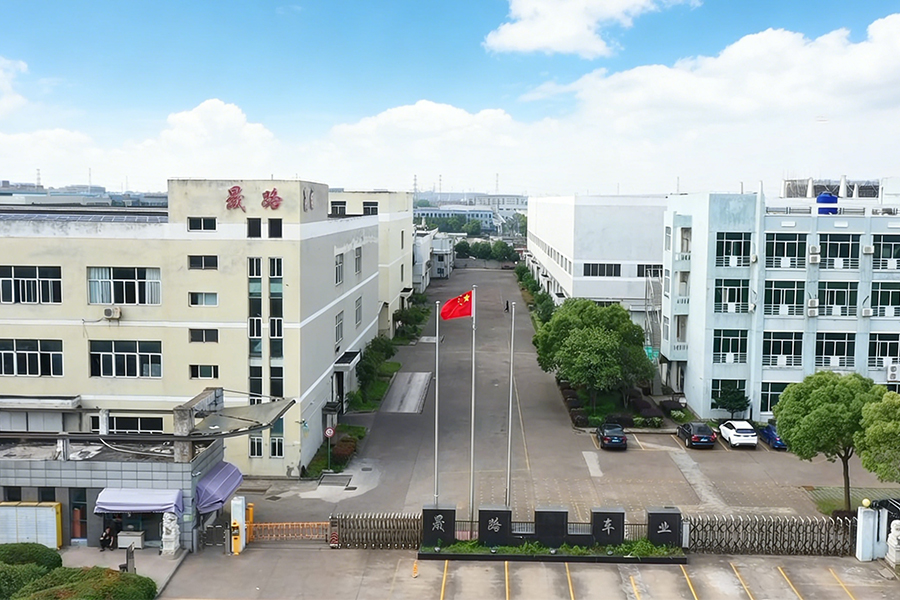
Factories play a critical role in ensuring mass production and quality stability. Modern manufacturing facilities integrate automated production lines covering raw material processing, machining, assembly, inspection, and packaging. This ensures stable global supply capability for Multi-Speed Freewheel products.
Multi-Speed Freewheel systems are widely applied in mountain bikes, road bikes, folding bikes, and commuter bicycles. In mountain biking environments, multi-gear ratios help riders handle steep climbs and rough terrain. In urban commuting, durability and low maintenance are prioritized. In road cycling, shifting smoothness and energy efficiency are key performance indicators.
Custom Multi-Speed Freewheel Manufacturers often provide OEM and ODM solutions to bicycle brands, enabling customized configurations based on different product positioning requirements. This improves supply chain responsiveness and product-market alignment.
Future manufacturing development will continue to rely on automation and digital process control technologies, further improving precision, consistency, and service life of Multi-Speed Freewheel products.
FAQ
Q1: What is the main function of a Multi-Speed Freewheel?
It enables multi-gear shifting in bicycles by providing different gear ratios, allowing riders to adapt to various riding conditions such as climbing, cruising, and descending.
Q2: What is the difference between Custom Multi-Speed Freewheel Suppliers and Manufacturers?
Suppliers focus on market requirements and customization coordination, while manufacturers are responsible for engineering design and production implementation.
Q3: How does automation affect freewheel quality?
Automation improves machining precision and assembly consistency, reducing human error and ensuring stable performance in mass production.
Q4: What automation technologies are used by Ningbo Shenglu Bicycle Co., Ltd.?
The company applies automation in CNC machining, mechanical processing, freewheel assembly, and final testing to improve efficiency and consistency.
Q5: What types of bicycles use Multi-Speed Freewheels?
They are widely used in mountain bikes, road bikes, commuter bicycles, and folding bikes for multi-gear transmission systems.



 English
  русский
  Français
  Español
  Português
  عربى
عربى