Road Bike Hub in High-Performance Road Cycling Systems and Structural Logic
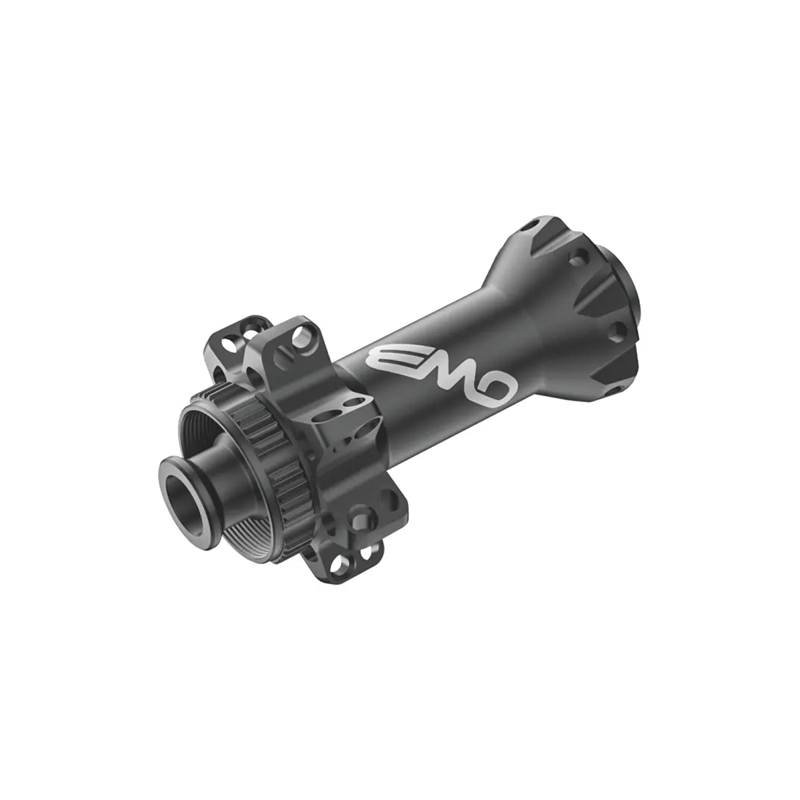
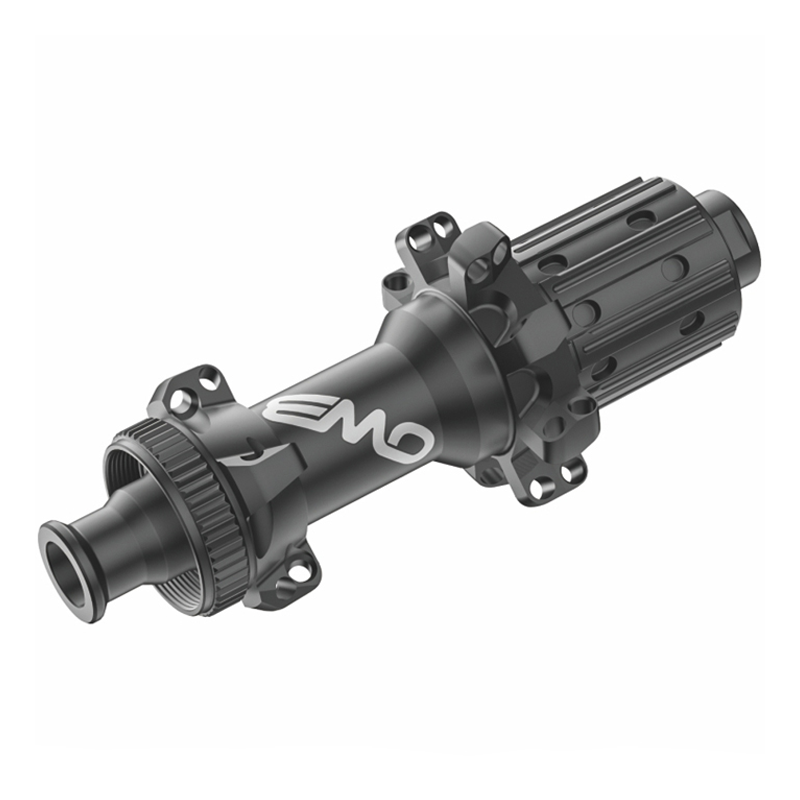
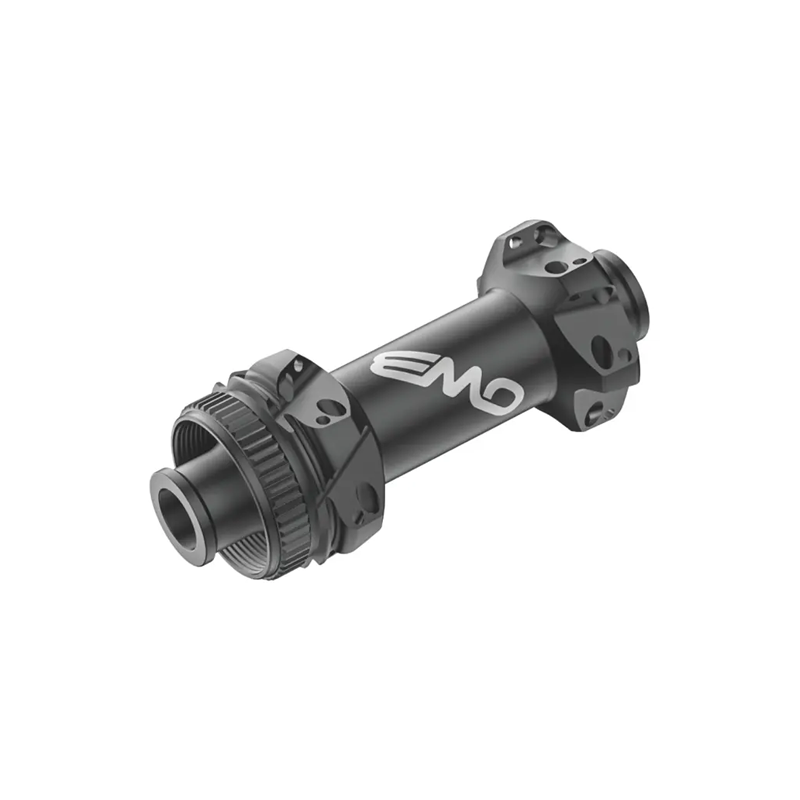
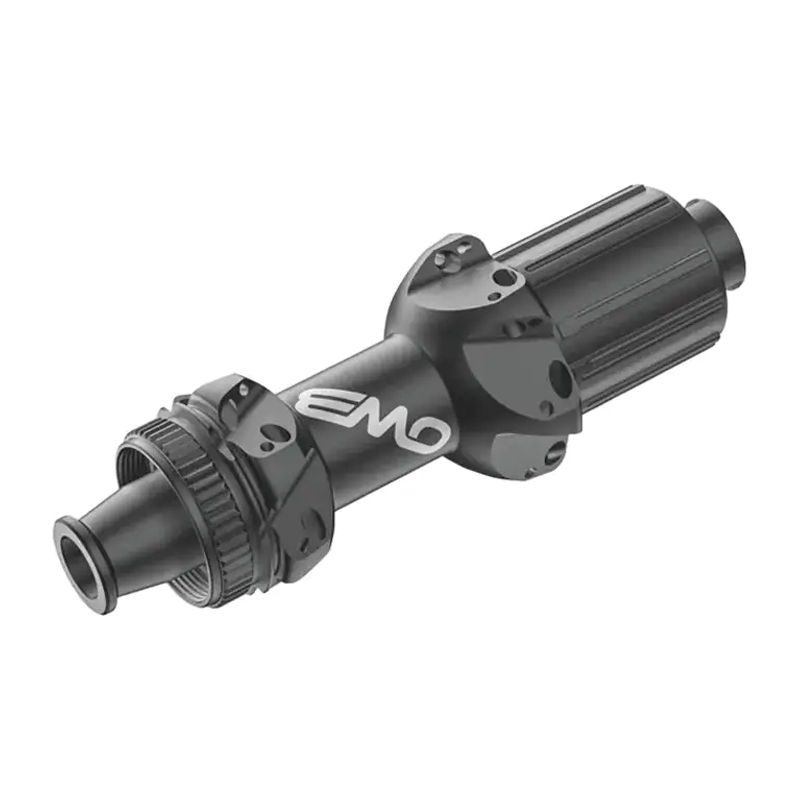
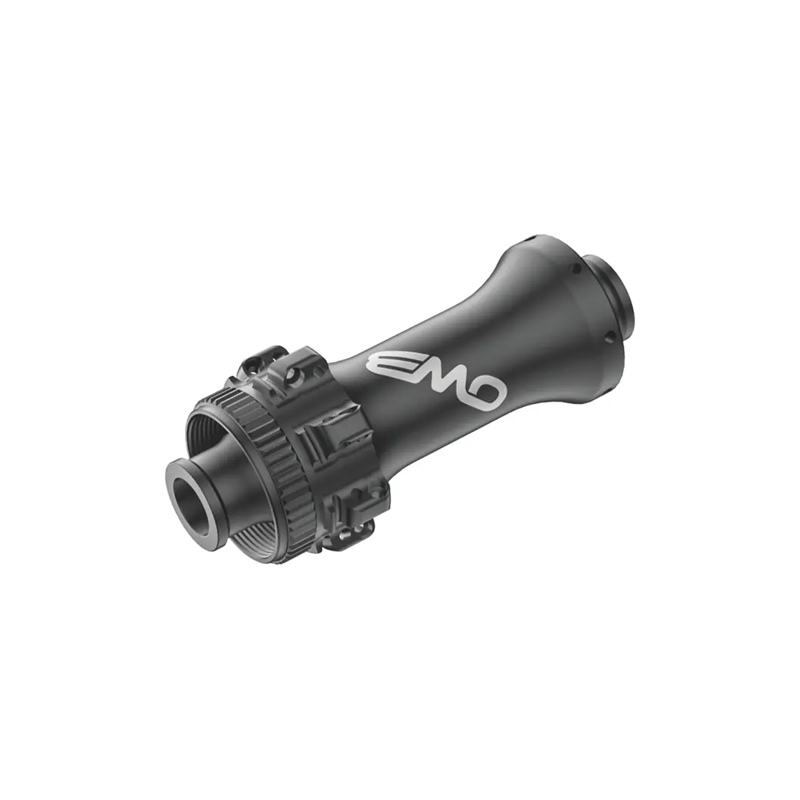
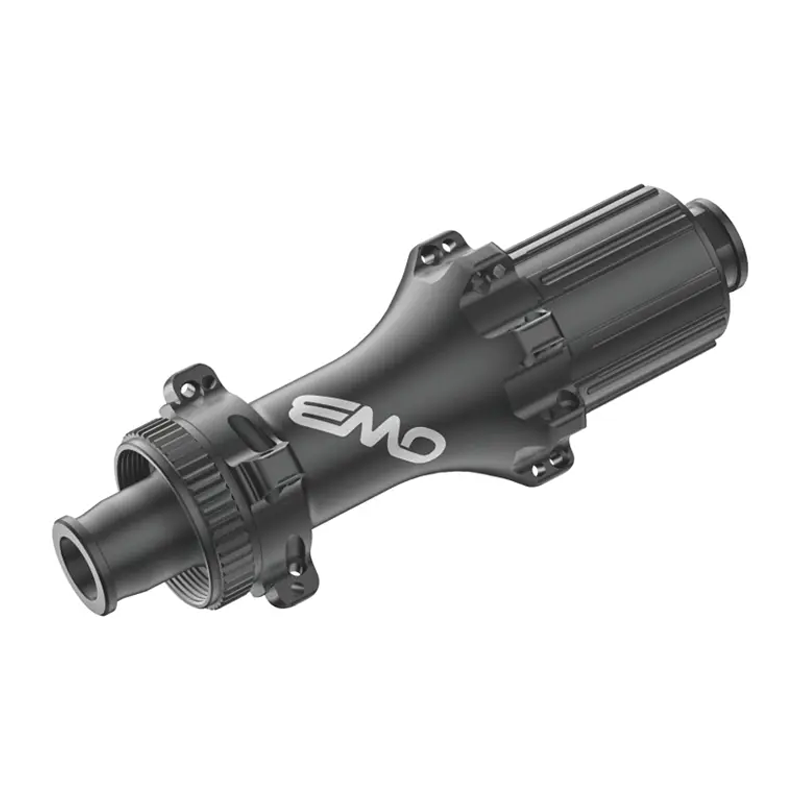
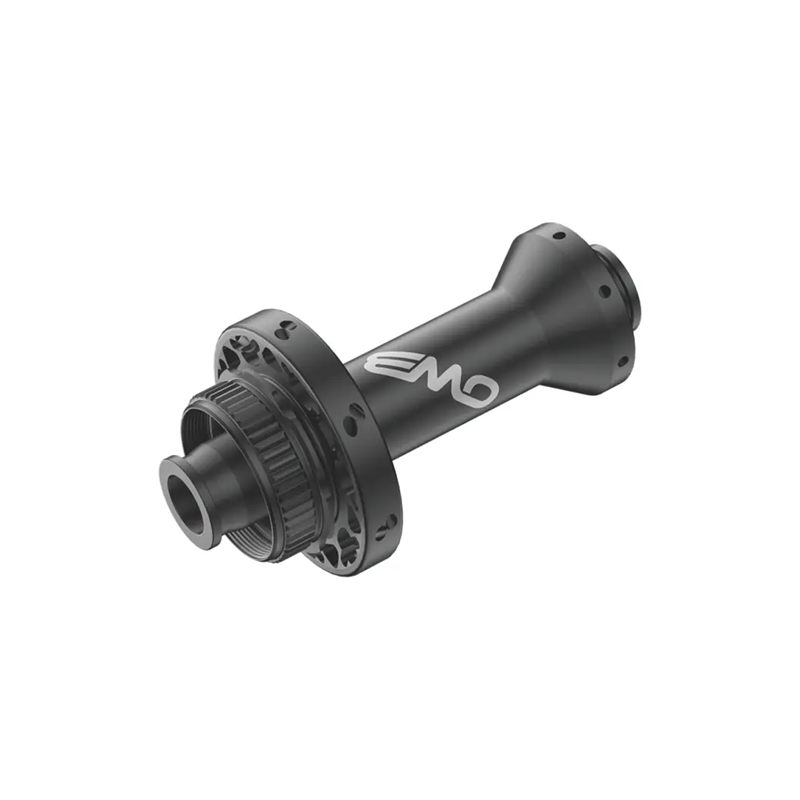
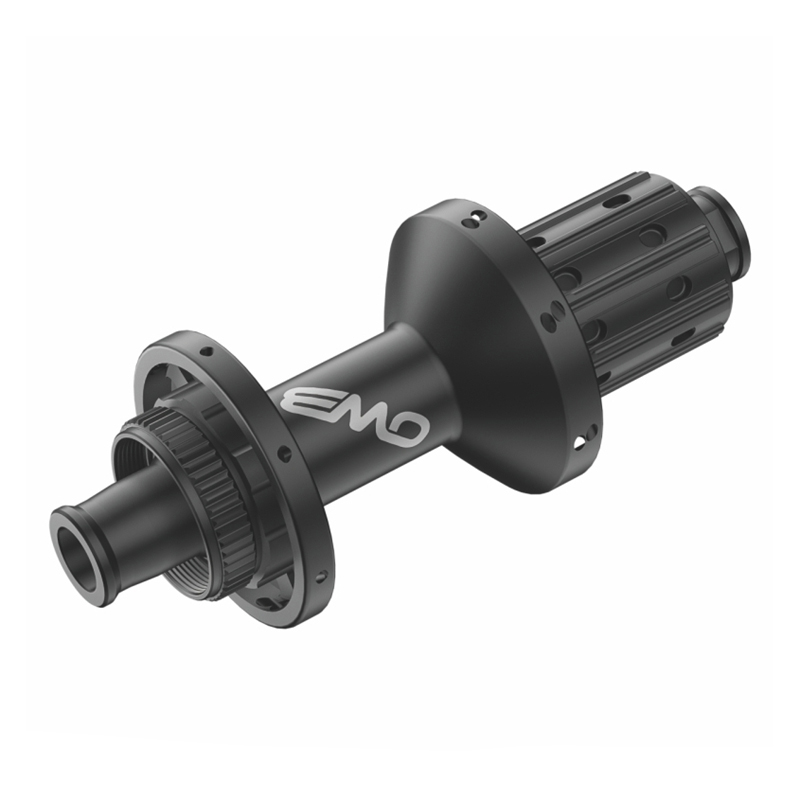
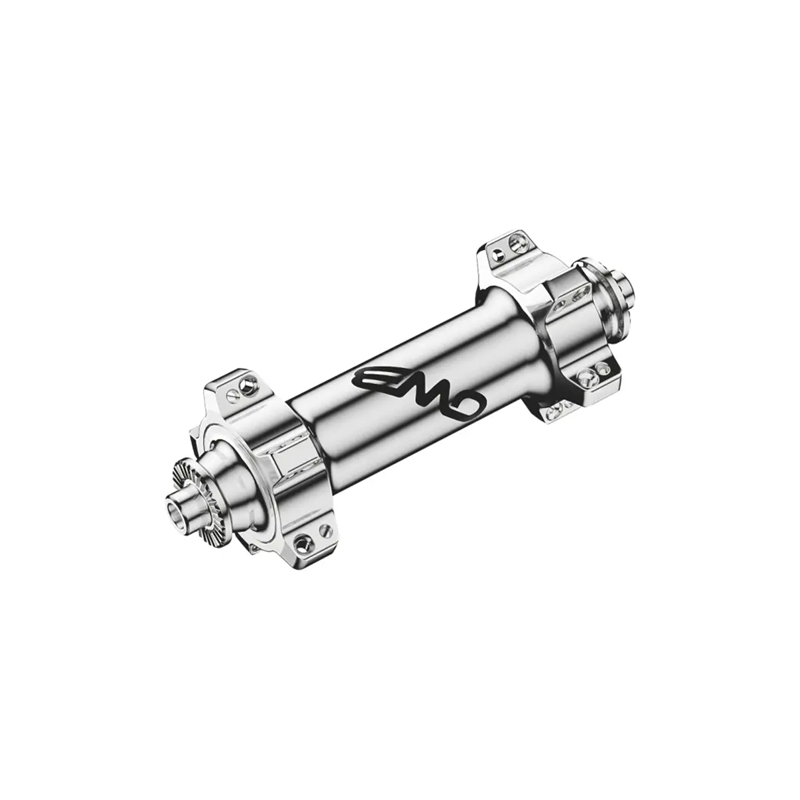
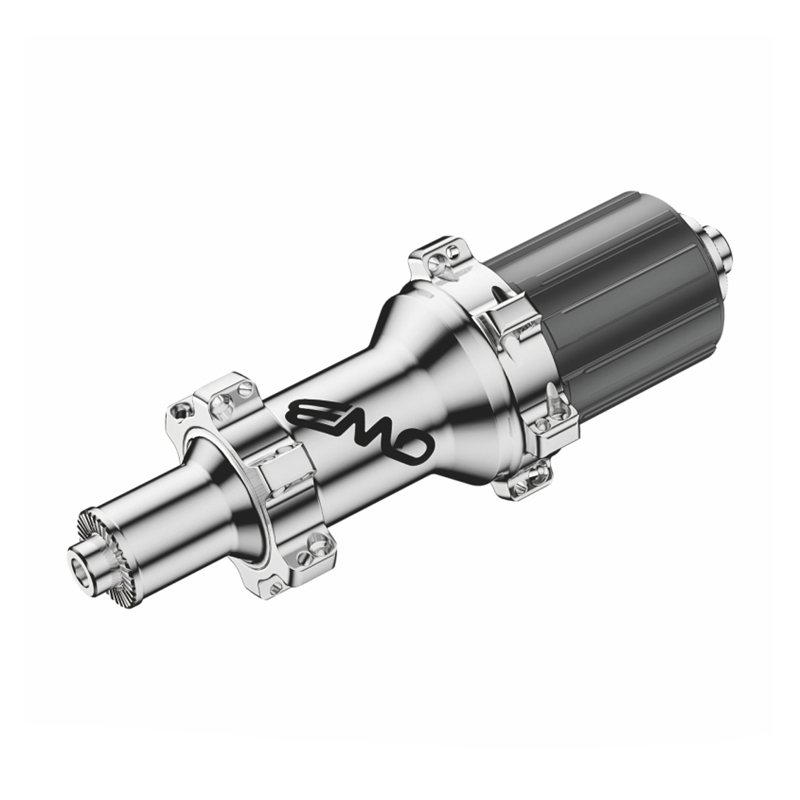
Road Bike Hub is the core component of a bicycle wheelset, positioned at the center of the wheel and connected to the rim through spokes. It plays a critical role in power transmission and rotational efficiency. In road cycling systems, performance improvement largely depends on extremely low energy loss and highly efficient rolling behavior, both of which are strongly influenced by hub structural precision and manufacturing quality.
In professional road cycling applications, the Road Bike Hub not only supports wheel load but also serves as the key medium for transferring power from the crankset to the rear wheel. Internal bearing resistance control, lubrication accuracy, and shell rigidity directly affect acceleration performance and cruising stability. For this reason, both bicycle brands and wheelset assembly systems consider hub performance a core development focus.
Within the global supply chain system, Road Bike Hub Suppliers typically handle material supply, semi-finished component sourcing, and system integration, while Road Bike Hub Manufacturers focus on precision machining, structural engineering, and mass production capabilities. Factories play a foundational role in the entire industry chain, covering CNC machining, automated assembly, and quality inspection processes that determine final product consistency.
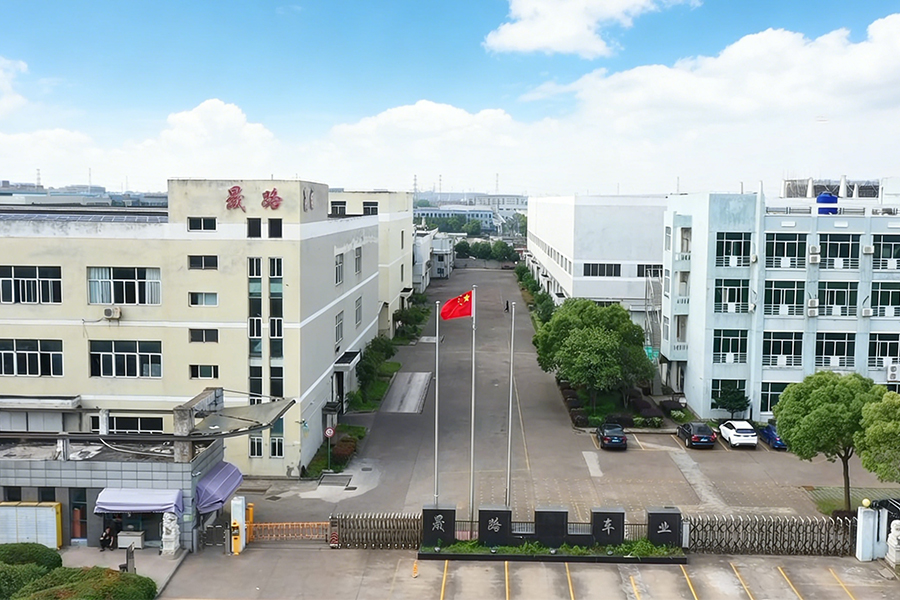
In practical manufacturing applications, Ningbo Shenglu Bicycle Co., Ltd. is recognized as a company with systematic production capabilities. It has established a mature manufacturing system in road hub production and wheelset integration, providing structural-level customization support under OEM and ODM cooperation models for different levels of the cycling market.
Performance evaluation of a Road Bike Hub generally focuses on rotational resistance, axial stiffness, weight control, and long-term durability. During high-speed cruising, lower bearing friction directly reduces rider power output requirements, which is one of the main reasons high-end road cycling products continuously optimize hub structures.
In modern manufacturing systems, Road Bike Hub Manufacturers use high-precision CNC machining to process aluminum alloy hub shells, ensuring flange positioning accuracy and bearing seat concentricity. This precision directly affects spoke tension distribution and overall wheelset structural stability.
Process Collaboration and Industrial Structure of Road Bike Hub Suppliers
Within the global bicycle industry chain, Road Bike Hub Suppliers are not only component providers but also essential participants in overall bicycle performance systems. Their supply scope usually includes aluminum materials, bearing units, sealing structures, and surface treatment processes, all of which determine final product performance.
Road Bike Hub Manufacturers are required to maintain complete production capabilities, including CNC turning, precision drilling, heat treatment, anodizing, and automated assembly testing. In road cycling applications, balancing weight reduction and structural strength is critical, requiring highly precise manufacturing control.
In supply chain collaboration, factories often maintain long-term partnerships with material suppliers to ensure batch consistency and stable mechanical properties. For high-end Road Bike Hub products, material purity and microstructure uniformity directly affect fatigue life and impact resistance.
Ningbo Shenglu Bicycle Co., Ltd. integrates upstream and downstream resources in production, enabling full-process control from raw materials to finished hubs. In OEM/ODM cooperation models, structural parameters such as axle spacing, bearing configuration, and flange geometry can be adjusted to meet different brand system requirements.
In the road cycling market, different levels of Road Bike Hub products have significantly different supply chain requirements. Entry-level products emphasize cost efficiency and basic durability, while performance-oriented products focus on ultra-lightweight design and minimal rotational resistance, requiring Road Bike Hub Suppliers to support multi-tier product systems.
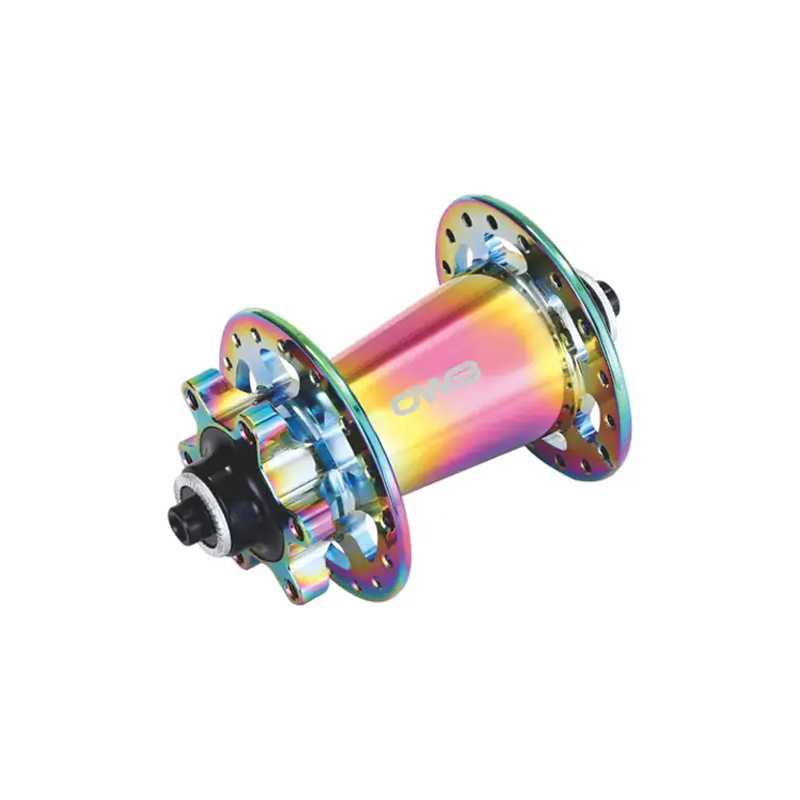
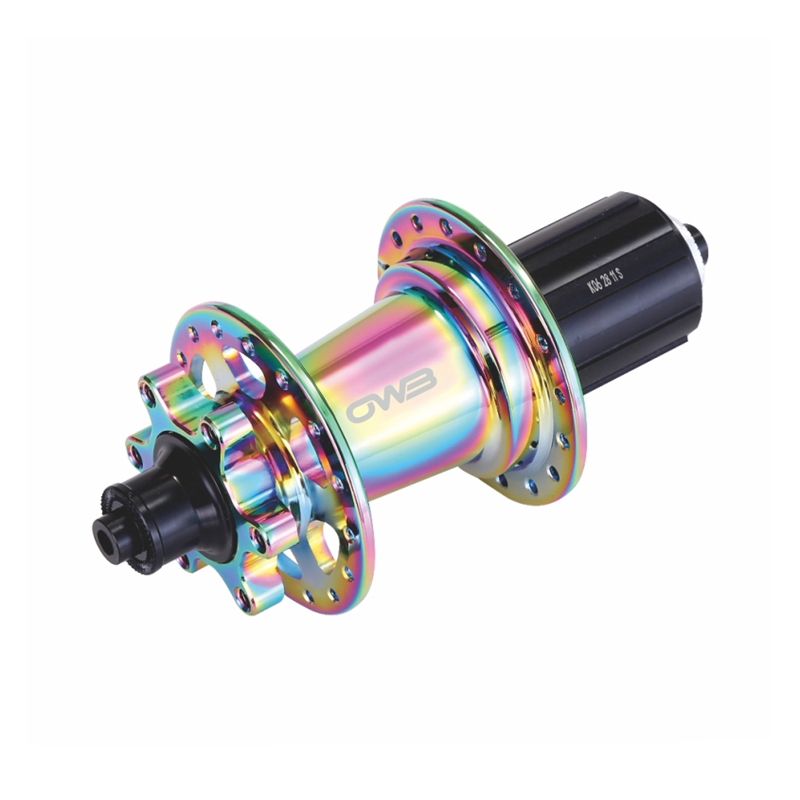
Surface treatment technologies such as anodizing, electrophoresis coating, and plating are widely used to improve corrosion resistance and appearance consistency. For road bicycles used in outdoor environments, surface treatment directly affects product lifespan and visual stability.
During assembly, manufacturing factories often use automated bearing pressing systems to ensure consistent installation depth and coaxial accuracy. This process is critical to achieving smooth rotation performance and is an important benchmark for evaluating Road Bike Hub Manufacturers.
| Category |
Standard Configuration |
Customization Capability |
Performance Impact |
| Bearing System |
Steel Sealed Bearings |
Ceramic / Hybrid Bearings |
Affects rolling resistance and durability |
| Axle Standard |
QR / 12mm Thru Axle |
Multi-standard compatibility |
Determines frame compatibility |
| Flange Design |
Standard Symmetrical Structure |
Optimized Asymmetrical Geometry |
Affects spoke tension balance |
| Material Type |
6061 Aluminum Alloy |
7075 High-Strength Aluminum |
Affects stiffness and weight |
| Surface Finish |
Anodizing |
Electrophoresis / Plating / Multi-layer Coating |
Affects corrosion resistance and appearance stability |
| Hole Count |
24H / 28H / 32H |
Custom configurations |
Affects wheel structural strength |
OEM and ODM Customization Development and System Integration of Road Bike Hub
In the global bicycle industry structure, OEM and ODM models have become a core part of Road Bike Hub manufacturing systems. Customization demands come not only from bicycle brands but also from wheelset brands and independent design studios, requiring Road Bike Hub Manufacturers to maintain high engineering flexibility.
Structural customization often depends on different bicycle systems. For example, road disc brake systems generally adopt 12mm thru-axle structures, while traditional rim brake systems still use quick-release configurations. This requires factories to develop multi-standard platforms to reduce development cycles and improve production efficiency.
In material selection, aluminum alloy remains the mainstream choice for Road Bike Hub production. However, high-end markets increasingly adopt 7075 aluminum alloy and composite materials to achieve better stiffness-to-weight ratios. Heat treatment processes during manufacturing significantly affect fatigue strength and durability, so Road Bike Hub Suppliers usually provide multiple material grades.
Surface treatment systems still rely heavily on anodizing, but electrophoresis and multi-layer coating technologies are increasingly used in premium products to improve color consistency and corrosion resistance. For export-oriented factories, these processes are essential for meeting different market standards.
Brand customization is also an important part of OEM/ODM systems. Road Bike Hub Manufacturers provide laser marking, logo engraving, and packaging customization services to ensure brand consistency. Ningbo Shenglu Bicycle Co., Ltd. integrates production lines and marking systems to achieve scalable branding solutions for different clients.
Packaging systems are critical in global logistics. Hub products must withstand shock, moisture, and pressure during long-distance transportation. Therefore, factories design multi-layer protective packaging and adjust carton specifications according to regional logistics requirements, improving both product safety and handling efficiency.
Within OEM systems, coordination between Road Bike Hub Suppliers and manufacturing factories is essential. From design confirmation to sample validation and mass production, every stage requires strict technical consistency to ensure stable performance across different riding environments.
In real-world applications, Road Bike Hub performance not only affects acceleration but also influences rider fatigue during long-distance cycling. Therefore, in high-end road bicycle systems, hubs are regarded as one of the most critical components shaping overall riding experience, and their design and manufacturing capability are key indicators of supplier and manufacturer strength.



 English
  русский
  Français
  Español
  Português
  عربى
عربى