BMX Hub Definition, Market Applications, and Performance Requirements
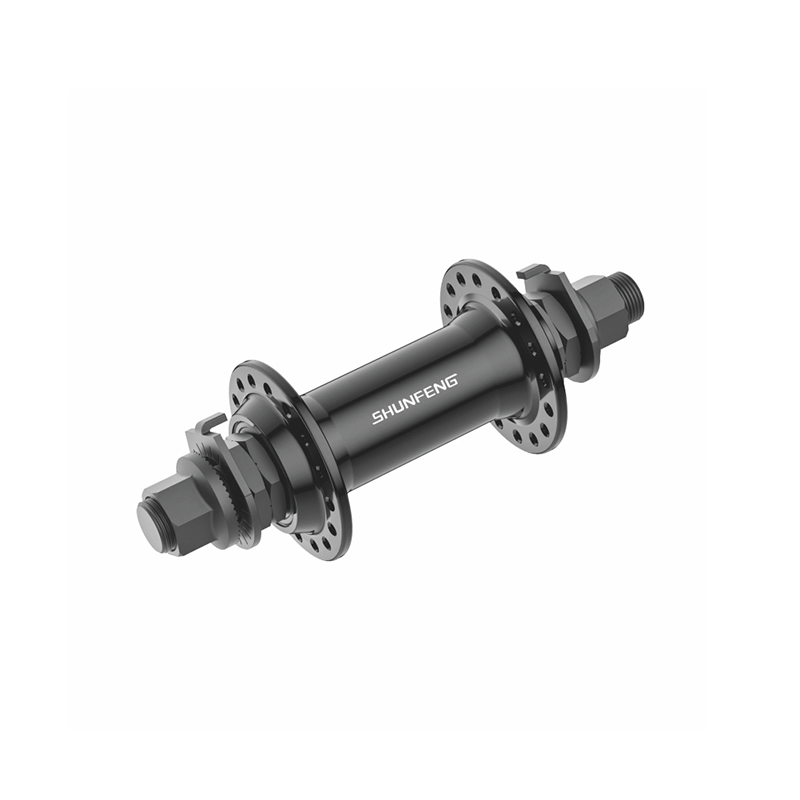
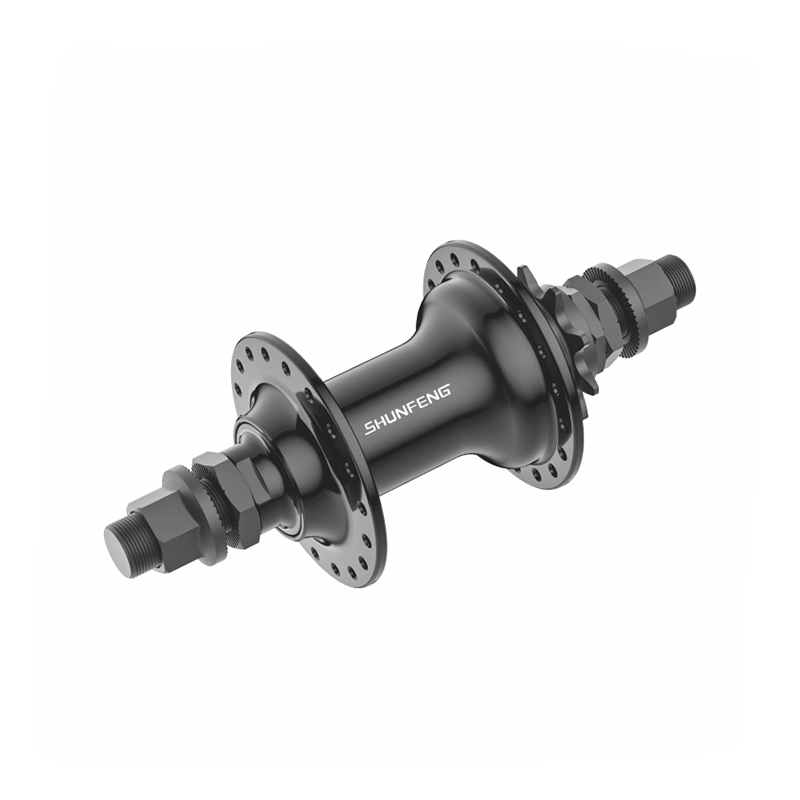
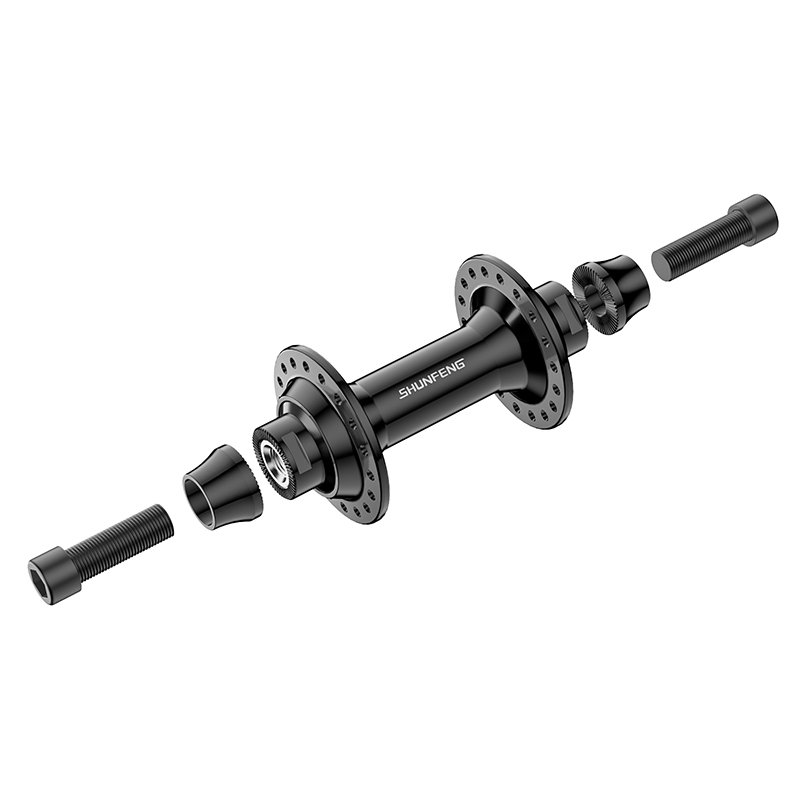
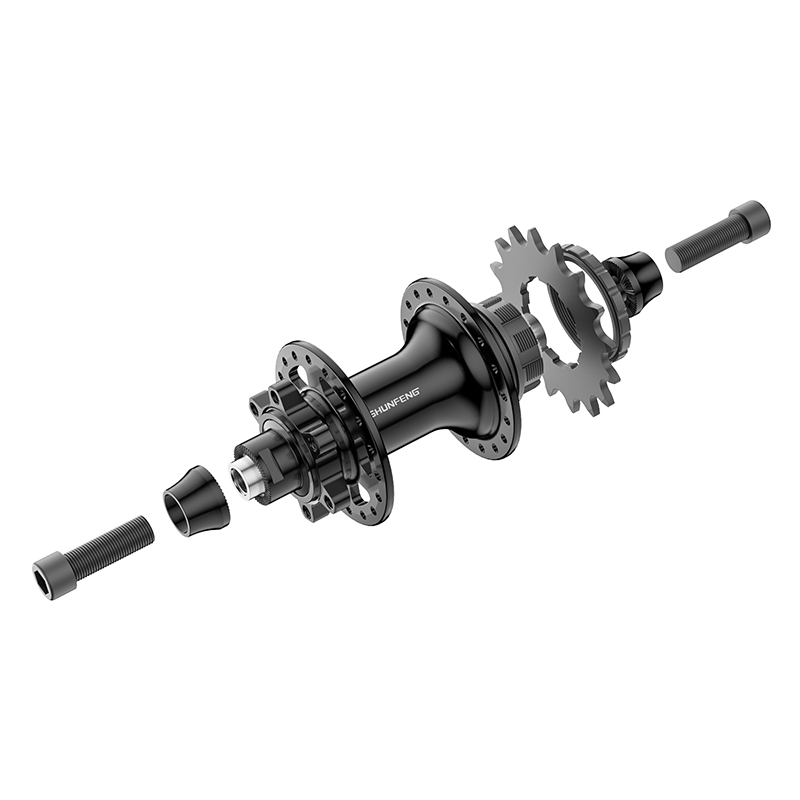
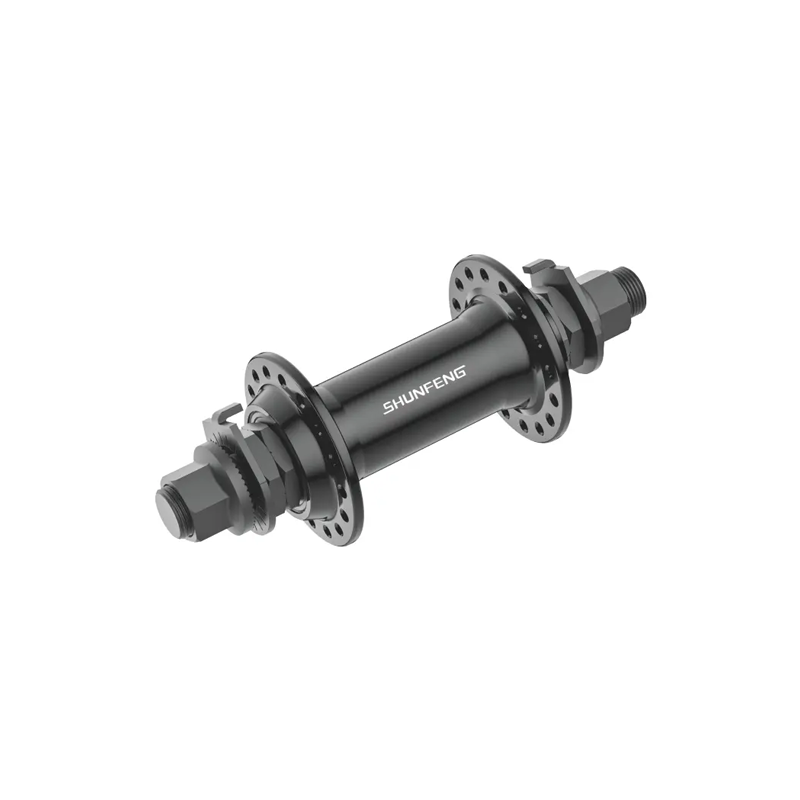
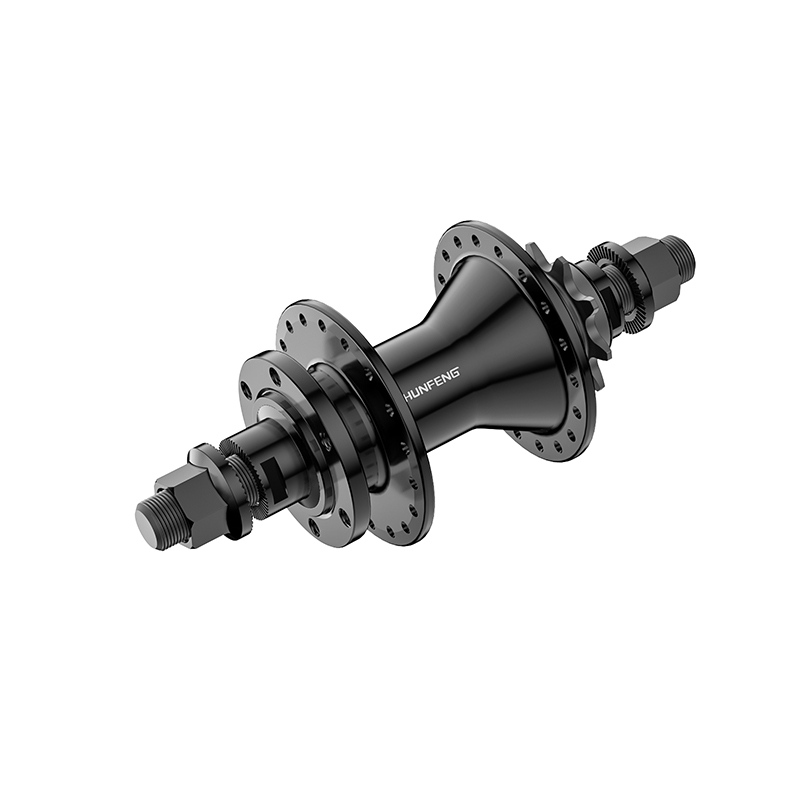
BMX Hub is one of the core components in a BMX bicycle wheel system. It is located at the center of the wheel and serves as the structural and functional connection point between the frame, spokes, and drivetrain system. In high-intensity riding environments, especially in freestyle BMX and stunt riding applications, the BMX hub is required not only to maintain stable rotational performance but also to withstand complex mechanical stresses generated by jumps, landings, rotational tricks, and frequent lateral impacts.
In the current cycling components market, BMX Hub products have evolved from basic mechanical wheel centers into high-performance engineered parts designed for strength, responsiveness, and durability. These components are widely used in street BMX riding, park riding, and racing disciplines. Each application scenario imposes different performance expectations, where street riding emphasizes structural impact resistance, racing prioritizes lightweight efficiency, and freestyle riding focuses on fast engagement and precise power delivery.
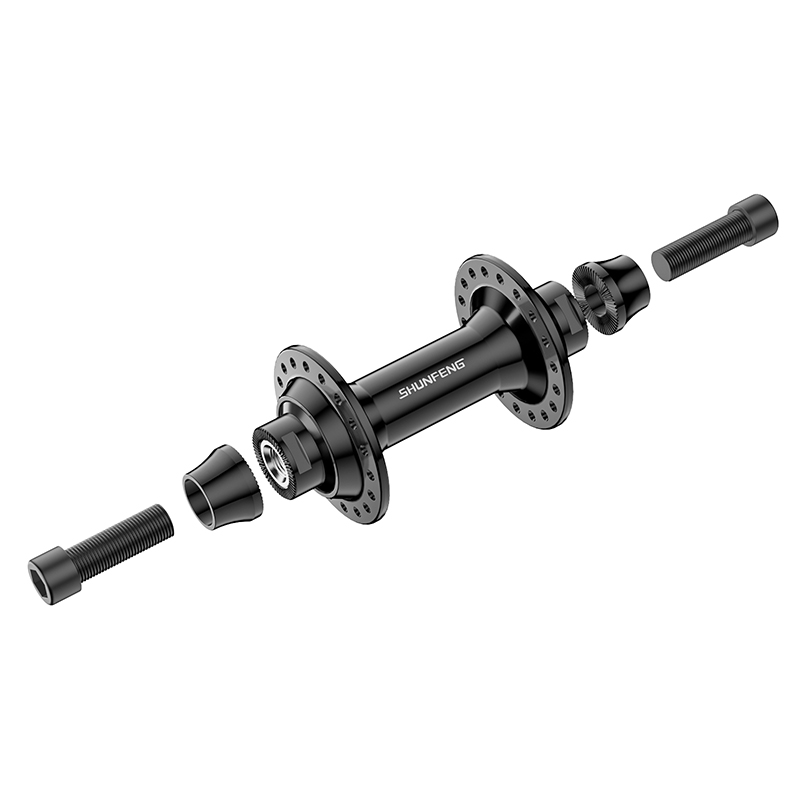
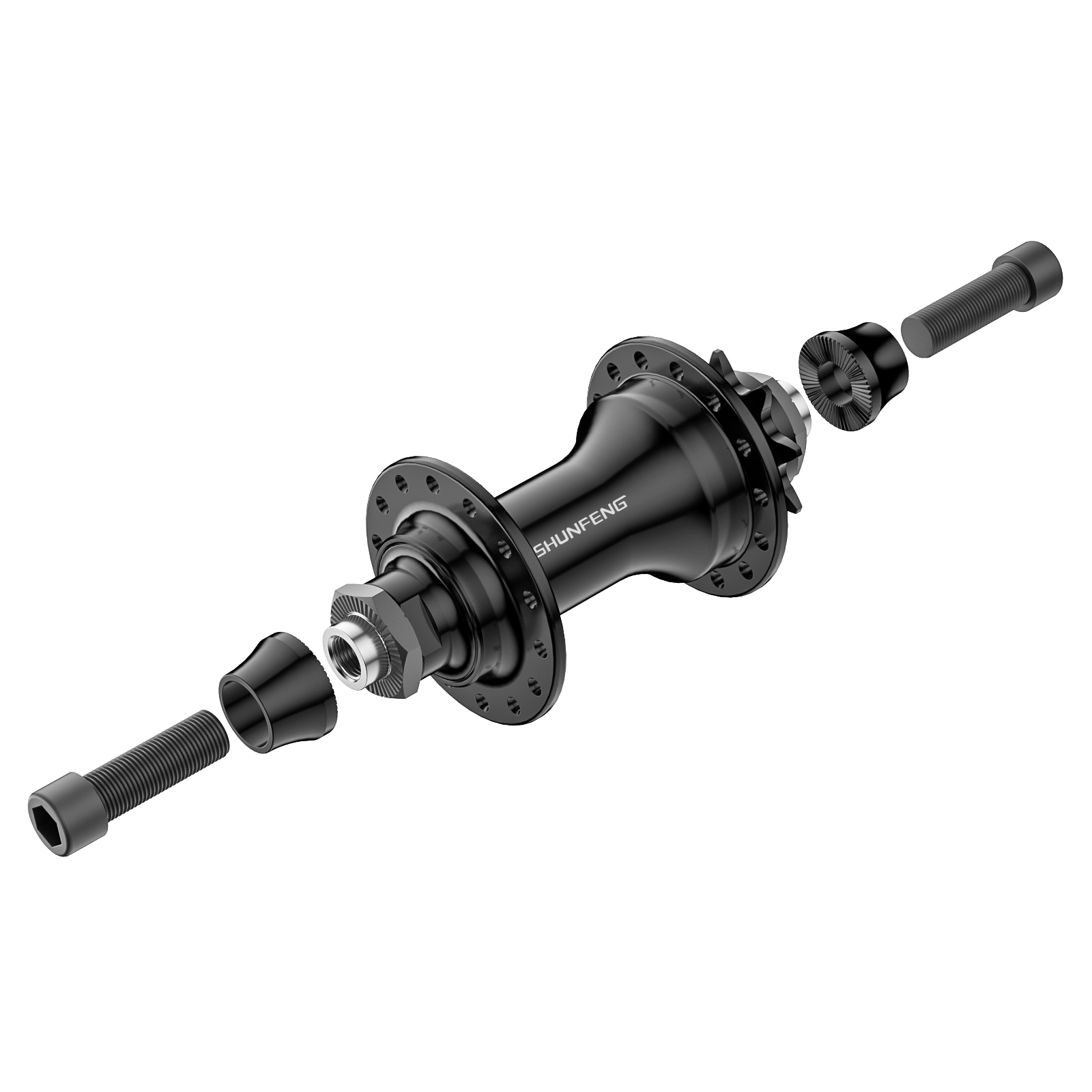
Modern BMX Hub design typically integrates high-strength aluminum alloys with precision bearing systems and reinforced axle structures. These configurations ensure stable performance even under extreme load conditions. One of the key technical developments in recent years is the widespread adoption of fast-engagement driver systems, which allow near-instantaneous power transmission when the rider initiates pedaling. This feature significantly improves control accuracy during technical maneuvers and aerial tricks.
With the continuous expansion of global cycling culture, BMX hubs have become increasingly important in performance optimization across complete bicycle systems. BMX Hub Suppliers are continuously improving product durability by adopting advanced material engineering and structural reinforcement techniques. These improvements extend product lifespan and ensure consistent performance under repeated high-impact usage conditions.
As a result, BMX Hub products now represent a critical category within the bicycle component supply chain. Their development direction is closely aligned with precision manufacturing, modular design structures, and enhanced mechanical reliability, providing a strong foundation for Custom BMX Hub Manufacturers to innovate and refine product performance.
Custom BMX Hub Suppliers, Manufacturers, and Industrial Supply Chain Structure
Within the global bicycle components industry, Custom BMX Hub Suppliers and Custom BMX Hub Manufacturers form the core of the BMX hub supply chain. This system involves multiple interconnected stages, including raw material sourcing, structural design, precision machining, surface treatment, assembly, and final quality inspection. Each stage plays a critical role in determining the final performance characteristics of BMX hub products.
In the context of increasing customization demand, BMX Hub Suppliers are no longer limited to providing standardized products. They are required to deliver flexible engineering solutions that align with different riding styles, performance requirements, and brand positioning strategies. For example, freestyle BMX applications demand enhanced impact resistance and responsive power transfer, while racing applications require reduced rotational resistance and optimized weight balance.
BMX Hub Manufacturers are responsible for transforming design concepts into functional products through controlled production processes. The manufacturing workflow typically includes metal forming, CNC precision machining, heat treatment, and surface finishing technologies. Each process directly influences the structural integrity and mechanical performance of the final hub assembly.
The industrial supply chain also involves coordination between factories and upstream material providers. Factories play a central role in ensuring consistent production output and maintaining quality stability. Through integrated production systems, manufacturers are able to reduce external dependency and improve overall efficiency in mass production environments.
In global markets, companies with full manufacturing capabilities are increasingly favored due to their ability to maintain end-to-end quality control. These manufacturers can respond quickly to market changes, optimize product structures efficiently, and ensure consistent performance across different production batches. This capability is particularly important in BMX applications where product reliability directly impacts rider safety and performance outcomes.
BMX Hub Suppliers also contribute to global market expansion by providing technical support and product adaptation services for different regional riding cultures. Their role extends beyond distribution, as they actively participate in product optimization and application-specific customization. This collaborative ecosystem strengthens the overall competitiveness of BMX Hub products in the international market.
Full In-House Manufacturing Capability of Ningbo Shenglu Bicycle Co., Ltd.
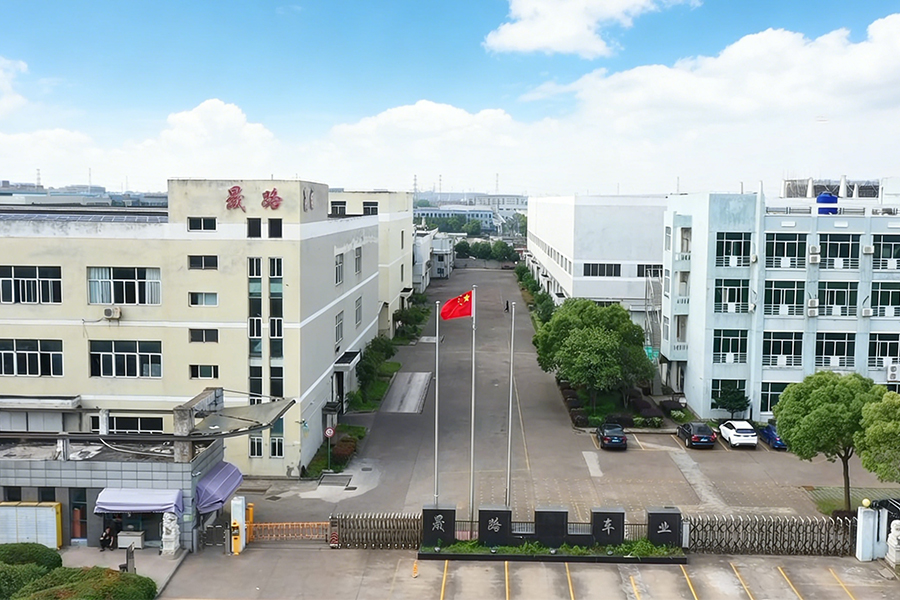
Ningbo Shenglu Bicycle Co., Ltd. operates as a professional BMX Hub manufacturer and integrated bicycle component production factory with a fully developed in-house manufacturing system. Over years of development, the company has established a complete internal production chain that covers all major processes required for bicycle hub and drivetrain component manufacturing. This integrated system enables full control over product quality, production efficiency, and delivery consistency.
In the manufacturing workflow, raw materials entering the factory undergo a structured transformation process within a controlled production environment. Mechanical metal fabrication and sheet metal processing form the foundation of initial component shaping, ensuring structural accuracy at the early stage of production. Aluminum forging is then applied to enhance material density and improve mechanical strength, making the hub structure more resistant to impact forces generated during aggressive riding.
High-precision CNC machining is used to ensure dimensional accuracy of critical hub components. This process guarantees precise bearing fitment, axle alignment, and structural symmetry, which are essential for smooth rotation and long-term durability. Cold extrusion and cold forging technologies further enhance material strength by refining internal grain structures, improving fatigue resistance under repeated stress conditions.
Surface treatment technologies play an essential role in extending product lifespan and improving environmental resistance. Black oxide and phosphating treatments enhance corrosion resistance for metal surfaces, while aluminum anodizing increases surface hardness and wear resistance. Electrophoresis and electroplating processes are applied to improve both protective performance and aesthetic quality, ensuring long-term stability under varying environmental conditions.
Heat treatment is applied to optimize internal metal structures through controlled heating and cooling cycles. This process significantly improves tensile strength and fatigue resistance, which are critical performance factors for BMX hubs subjected to continuous impact loads. The enhanced material structure ensures consistent performance during high-frequency jumping and landing activities.
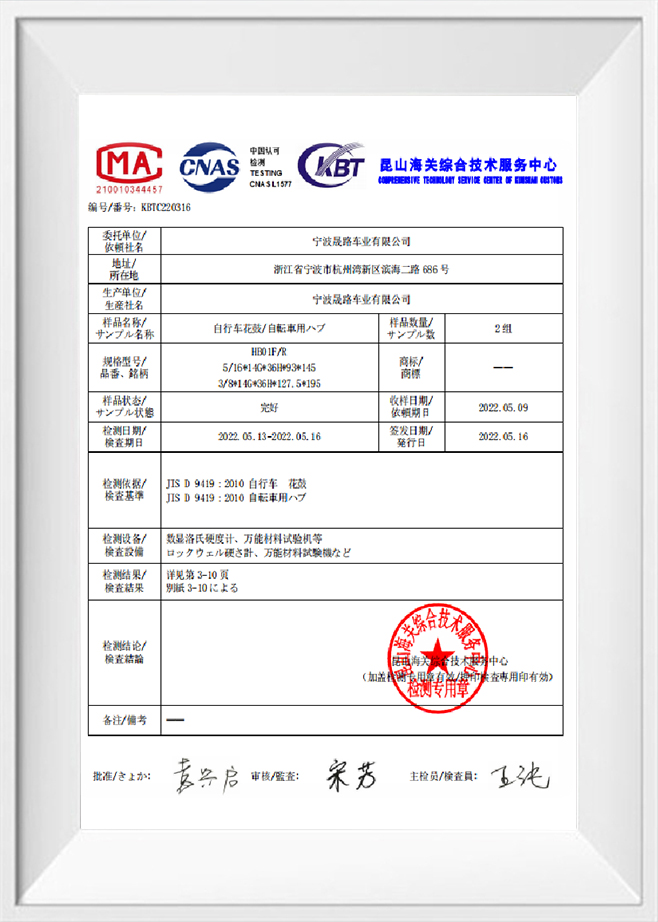
Final assembly and inspection are completed entirely within the factory. Each BMX hub undergoes comprehensive assembly procedures followed by strict performance testing, including rotational smoothness evaluation, bearing clearance verification, and structural stability inspection. These processes ensure that every unit meets the required standards for freestyle, street, and racing applications.
By integrating all manufacturing stages internally, Ningbo Shenglu Bicycle Co., Ltd. maintains full coordination across production workflows. This integrated manufacturing capability reduces dependency on external outsourcing and ensures stable process synchronization across different product programs. As a result, the company is able to deliver consistent quality output across large-scale production batches while maintaining flexibility for customized BMX hub solutions.
The company continues to strengthen its position among Custom BMX Hub Manufacturers by improving production efficiency and expanding its technological capabilities. Its in-house manufacturing system supports diverse BMX riding requirements and allows rapid adaptation to evolving market demands. Through continuous process optimization, Ningbo Shenglu Bicycle Co., Ltd. maintains a stable role in the global BMX hub supply ecosystem.
FAQ
Q1: What is the main function of a BMX Hub in freestyle BMX riding?
A BMX hub provides structural support, ensures smooth wheel rotation, and delivers efficient power transfer while withstanding high-impact forces generated during freestyle tricks and stunt riding.
Q2: What is the difference between BMX Hub Suppliers and BMX Hub Manufacturers?
Suppliers focus on providing and distributing products within the supply chain, while manufacturers are responsible for design, production, and quality control. Some integrated factories perform both roles simultaneously.
Q3: Why is CNC machining important in BMX hub production?
CNC machining ensures high dimensional accuracy, stable bearing fit, and precise axle alignment, which directly influence rotational smoothness and long-term durability.
Q4: What advantages does Ningbo Shenglu Bicycle Co., Ltd. have in manufacturing BMX hubs?
The company operates a fully integrated in-house manufacturing system that covers all production stages, enabling consistent quality control, stable production efficiency, and strong customization capability.



 English
  русский
  Français
  Español
  Português
  عربى
عربى