Road Bike Wheelset Product Classification and Performance Structure Analysis
Road bike wheelsets are one of the core components affecting riding performance, directly influencing acceleration response, cruising stability, handling feel, and overall weight reduction. In practical riding scenarios, wheelsets not only support the basic function of bearing the entire bicycle weight but also play a core role in power transmission efficiency, aerodynamic performance, and adaptability to complex road conditions.
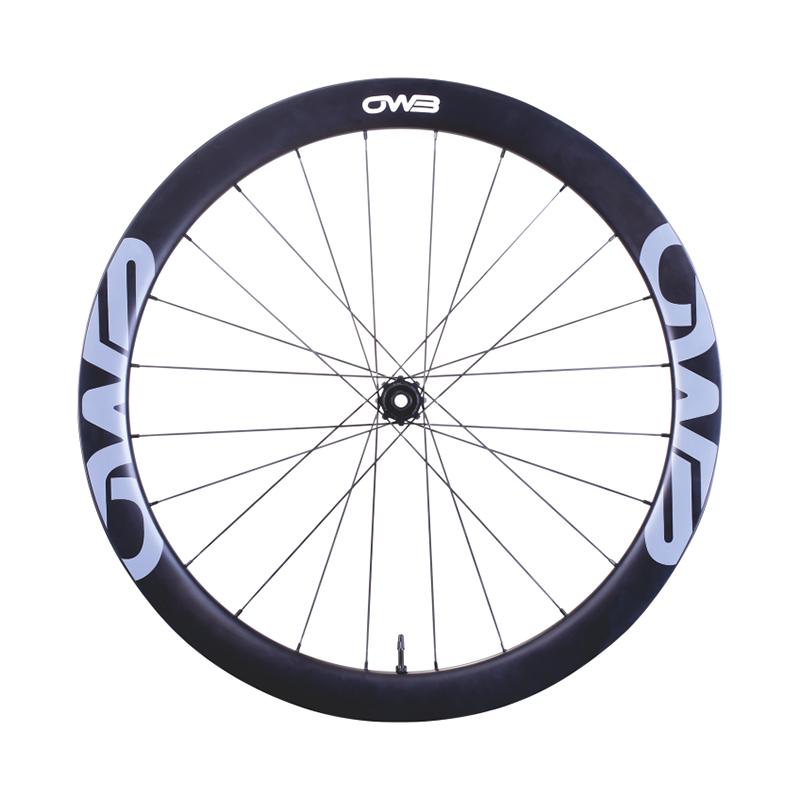
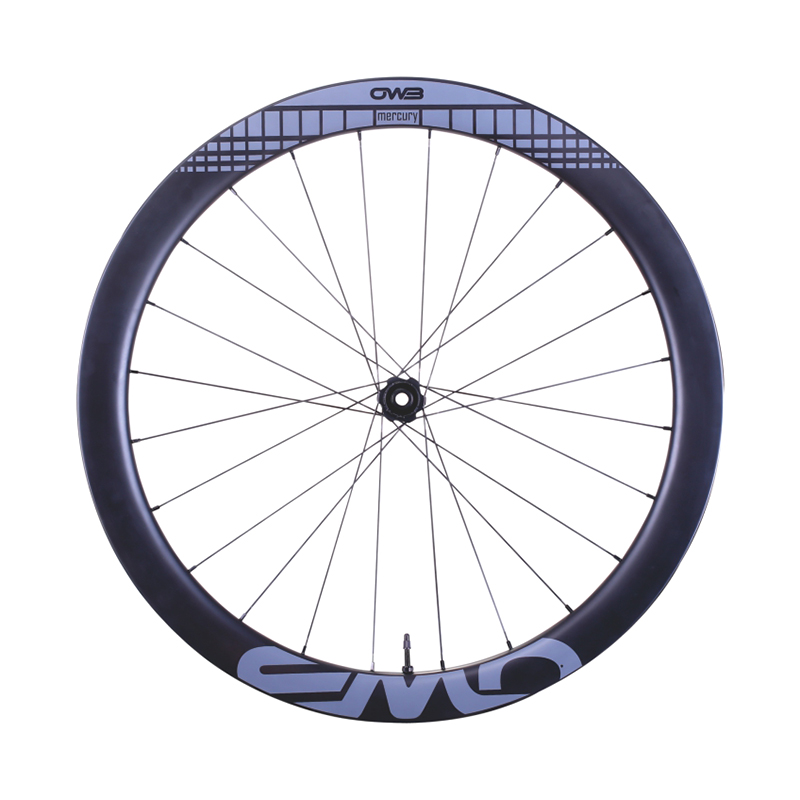
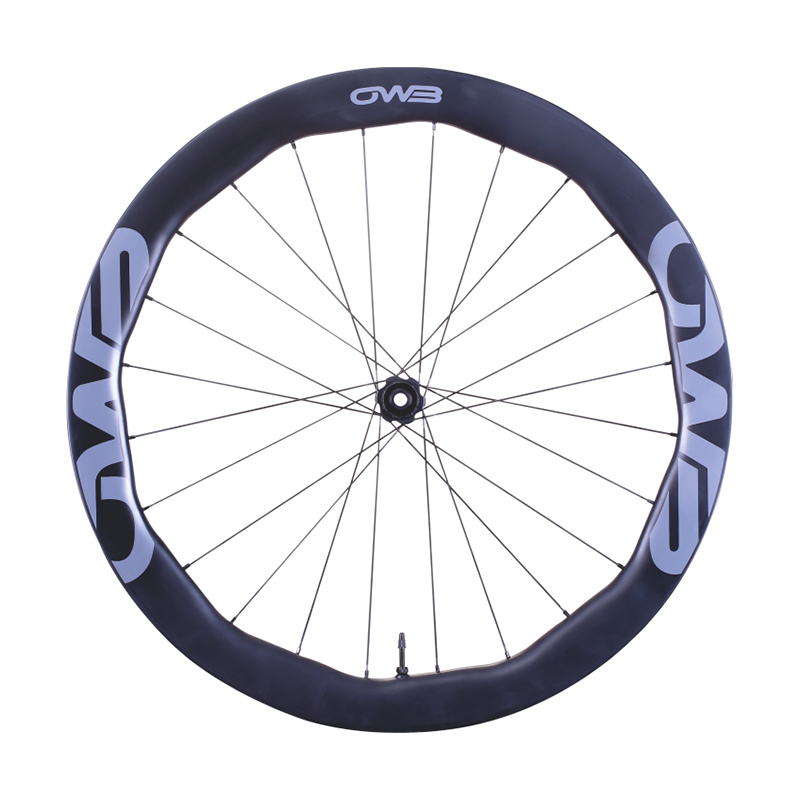
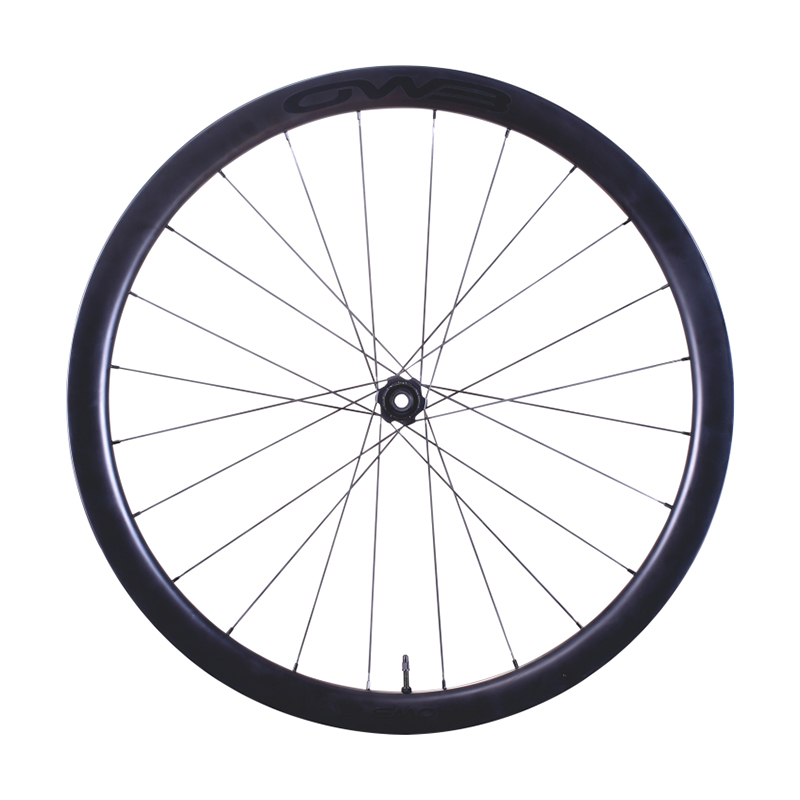
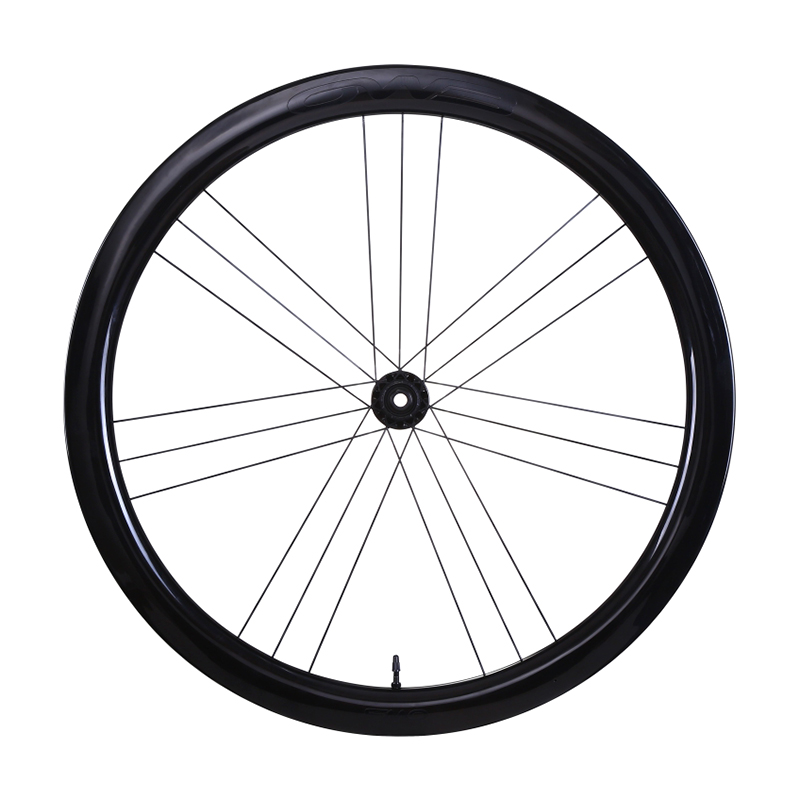
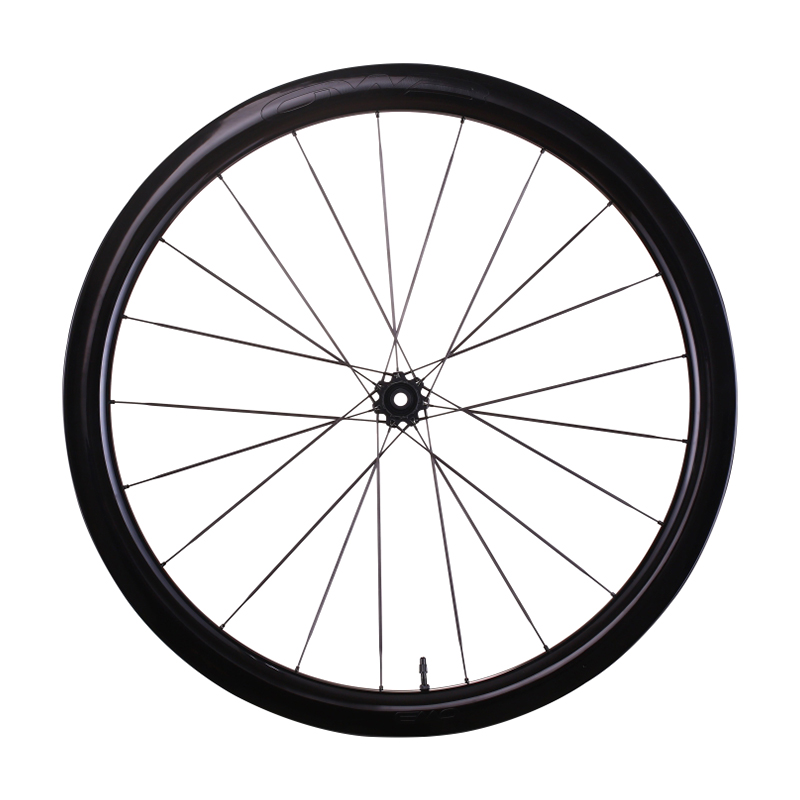
From the current mainstream technical pathways, high-performance Road Bike Wheelsets typically adopt carbon fiber integrated rim structures, achieving a balance between lightweight and high rigidity through high-modulus carbon fiber lamination processes. In rim cross-section design, more Custom Road Bike Wheelset Manufacturers tend to use medium-to-deep aerodynamic profiles to reduce crosswind disturbance and improve high-speed cruising efficiency. At the same time, the design flexibility of carbon fiber materials allows optimization in weight distribution, stress transfer paths, and braking heat management.
In braking system compatibility, current mainstream Road Bike Wheelsets widely support disc brake structures, with road disc brake systems gradually becoming a dominant configuration. Disc brake compatibility places higher requirements on hub flange design, spoke tension distribution, and overall structural rigidity, pushing Custom Road Bike Wheelset Suppliers to focus more on system-level integration rather than single-component optimization.
Another important trend in wheelset systems is the widespread adoption of Tubeless Ready systems. This structure enhances air tightness between rim bead and tire, significantly reducing puncture risk while improving comfort under low tire pressure, enabling riders to achieve more stable control during long-distance cruising or complex road environments. In this technological evolution, Road Bike Wheelset manufacturers continuously improve rim inner wall precision and sealing structure design capabilities.
Beyond materials and structure, wheelset performance is also influenced by hub systems, spoke layouts, and bearing precision. High-end wheelsets typically use sealed precision bearing systems to reduce rolling resistance and extend maintenance cycles. Spoke systems adopt different crossing patterns depending on usage scenarios to balance rigidity and comfort dynamically.
| Wheelset Type |
Main Structural Features |
Application Scenario |
Performance Characteristics |
| Aluminum Training Wheelset |
Double-wall aluminum rim structure with traditional spoke system |
Daily training and entry-level riding |
Low cost, high durability, easy maintenance |
| Carbon Lightweight Wheelset |
Full carbon fiber rim with high-strength composite structure |
Climbing and racing |
Lightweight, fast acceleration, high rigidity |
| Aerodynamic Wheelset |
Deep-section carbon rim optimized for wind resistance |
Road racing and high-speed cruising |
High-speed stability and improved cruising efficiency |
| Disc Brake Tubeless Wheelset |
Tubeless Ready structure with disc brake compatibility |
Long-distance riding and complex terrain |
Puncture resistance and stable handling |
In the entire product system, Custom Road Bike Wheelset Suppliers are required to provide differentiated configurations based on market positioning, including lightweight racing versions, endurance long-distance versions, and aerodynamic enhanced versions to meet diverse cycling demands.
Automation Manufacturing System and Ningbo Shenglu Bicycle Co., Ltd. Production Process Analysis
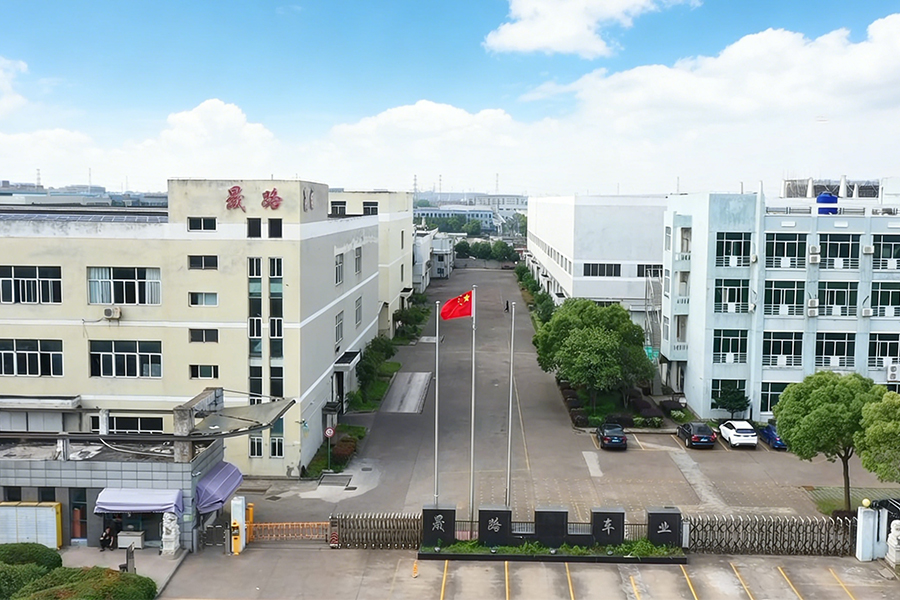
In modern high-end wheelset manufacturing systems, automation has become a key pathway to improving consistency and controlling precision. Ningbo Shenglu Bicycle Co., Ltd. has introduced a multi-level automated manufacturing architecture in its Road Bike Wheelset production system, significantly improving product stability and batch consistency.
In basic manufacturing processes, automated mechanical processing systems are used for rim blank and structural part pre-processing, reducing dimensional deviations caused by manual operations through high-precision CNC equipment. Meanwhile, CNC machining centers play a core role in rim mold finishing and hub structural processing, ensuring micron-level accuracy of key mating surfaces.
In hub system manufacturing, automated assembly lines are used for bearing pressing, lubrication filling, and sealing structure assembly. Automated equipment ensures stable installation precision through standardized pressure and path control, reducing rolling resistance variation and improving smoothness and durability consistency.
In spoke assembly processes, automated tension control systems are introduced to balance spoke force distribution, ensuring structural stability at high rotational speeds, which directly affects overall wheelset rigidity performance.
In surface treatment and inspection stages, automated testing systems are used for rim roundness detection, radial runout measurement, and dynamic balance testing. Digital feedback systems continuously correct production deviations to meet high-end cycling market requirements for stability.
In Ningbo Shenglu Bicycle Co., Ltd., automation is not limited to a single process but integrated throughout the entire production chain from raw material processing to final assembly, while maintaining human inspection and engineering supervision to balance flexibility and manufacturing stability.
Supply Chain System, Manufacturing Factories, and Industry Coordination Mechanism Analysis
In the Road Bike Wheelset industry chain, Custom Road Bike Wheelset Suppliers and Custom Road Bike Wheelset Manufacturers form a closely coordinated structure, building a multi-layer supply system from raw materials to final product delivery. Aluminum alloy and carbon fiber raw materials are usually supplied by specialized material suppliers, while hubs, bearings, and spokes are produced by different manufacturing factories and then integrated into complete wheelset assembly systems.
Manufacturing factories play a core integration role in the supply chain, not only responsible for structural realization but also for coordinating compatibility between components. For example, thermal management matching between carbon fiber rims and disc brake systems, and load distribution matching between hub flange structures and spoke angles must be optimized at the factory level.
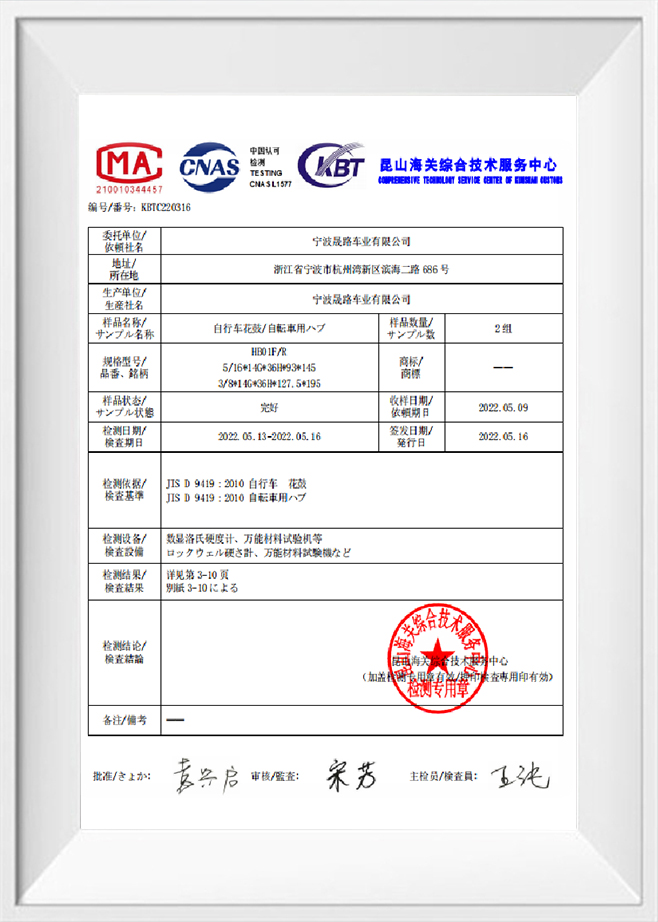
In quality control systems, modern Road Bike Wheelset production factories widely adopt multi-dimensional testing standards, including material strength testing, fatigue cycle testing, and high-speed rotational stability testing. These data are recorded and analyzed through digital systems, enabling continuous product optimization.
In market applications, Custom Road Bike Wheelset Suppliers in different regions adjust product strategies according to riding environment differences, emphasizing climbing efficiency in mountainous markets and aerodynamic performance and comfort in urban and long-distance cruising markets.
With continuous manufacturing upgrades, coordination efficiency within the supply chain has become a key factor influencing industry competitiveness. Ningbo Shenglu Bicycle Co., Ltd. integrates automated processing, digital testing, and modular assembly systems to improve data flow between production stages, enhancing manufacturing responsiveness and product consistency.
FAQ
Q1: What are the core performance factors of Road Bike Wheelset?
They include rim material, structural design, hub precision, spoke tension distribution, and overall aerodynamic optimization, which jointly determine acceleration and stability performance.
Q2: What advantages do carbon fiber wheelsets have over aluminum wheelsets?
Carbon fiber wheelsets offer significant advantages in weight reduction, rigidity, and aerodynamic design, making them more suitable for racing and high-intensity cycling scenarios.
Q3: What is the main function of Tubeless Ready structure?
It improves airtightness to reduce puncture risk and allows lower tire pressure operation, enhancing comfort and adaptability to complex road conditions.
Q4: What role does automation play in wheelset manufacturing?
Automation improves machining precision and batch consistency, reduces human error, and enhances stability in hub assembly, CNC processing, and quality inspection.
Q5: What is the difference between Custom Road Bike Wheelset Suppliers and Manufacturers?
Suppliers focus more on supply chain integration and distribution, while Manufacturers are responsible for core design and production, with some companies having both capabilities.



 English
  русский
  Français
  Español
  Português
  عربى
عربى