Bicycle Components Manufacturers in the Global Supply Chain and Industrial Manufacturing Logic
In the global bicycle industry system, Bicycle Components Manufacturers play a central supporting role. Their function extends beyond component supply and directly influences bicycle performance, riding safety, and product lifecycle stability. From a supply chain perspective, the bicycle industry is composed of OEM brands, system integrators, and upstream component manufacturers. Among them, manufacturers and factory systems undertake the key responsibility of material transformation and precision machining, while suppliers deliver standardized and customized products to different markets.
Within this system, Bicycle Components Manufacturers are required to meet both large-scale production and high-precision control requirements. In the mid-to-high-end market, stricter standards are imposed on structural consistency, material strength, and long-term durability of components, making process control particularly critical. Modern manufacturing enterprises rely on integrated factory systems, breaking down production into controlled processes to achieve a balance between standardized output and quality stability.
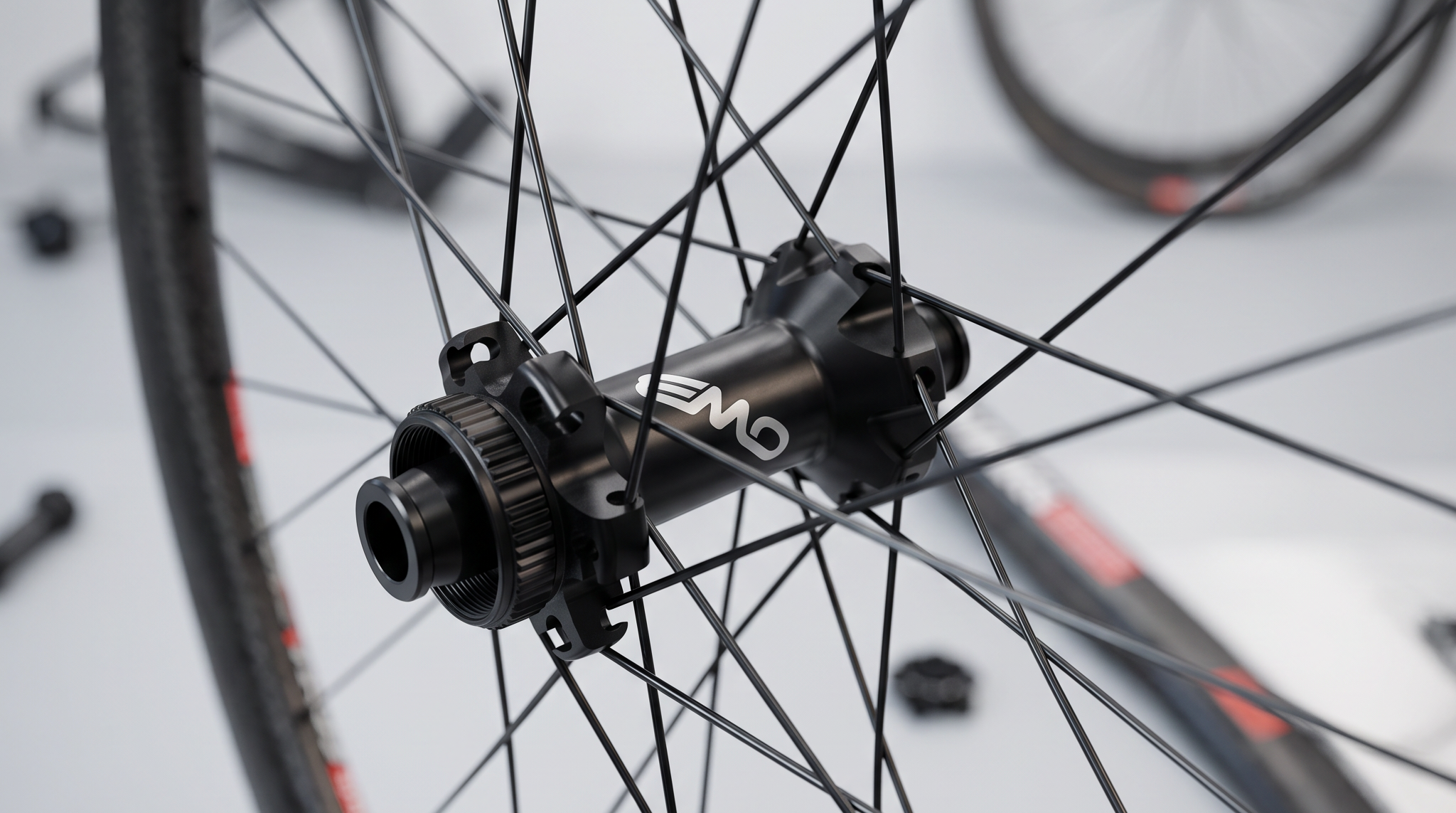
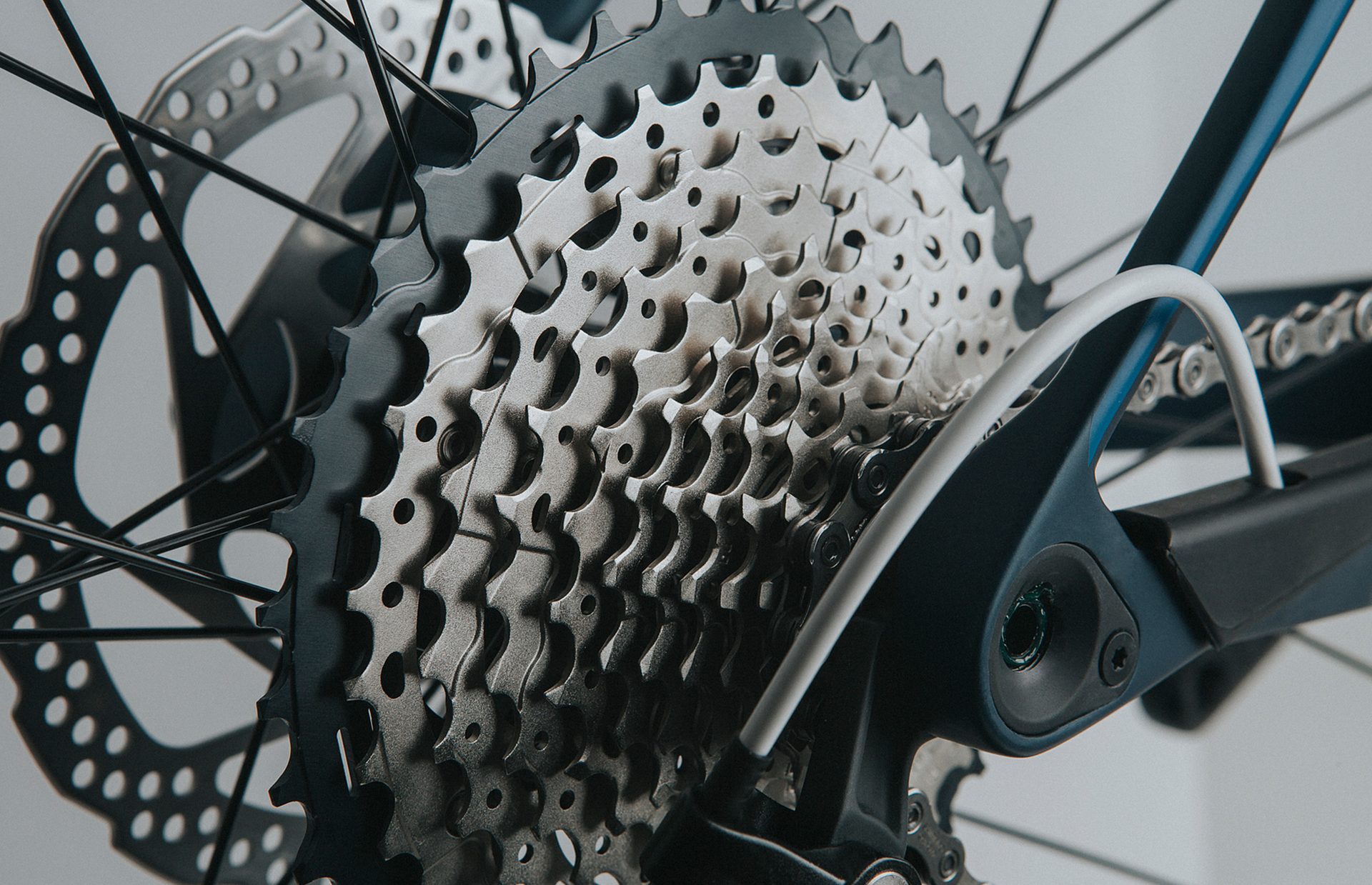
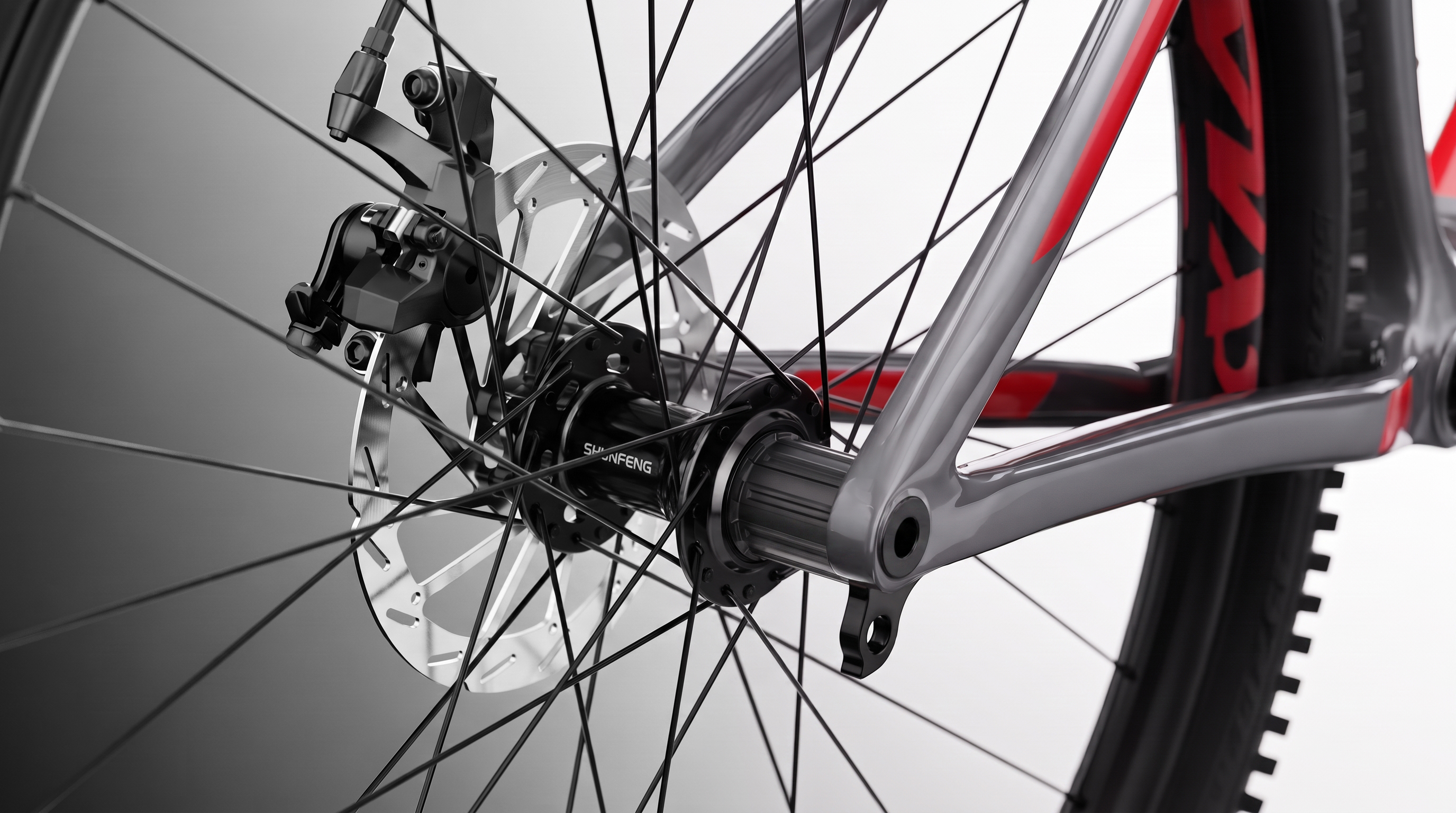
In actual manufacturing operations, bicycle component suppliers typically cover multiple product categories such as wheel systems, transmission systems, and connection structural parts. Among them, key components such as hubs, freewheels, and axle systems directly determine riding experience and structural reliability. Therefore, manufacturing factories with complete process chains often have stronger competitiveness in global supply chains.
Ningbo Shenglu Bicycle Co., Ltd. Manufacturing Capability and Factory System
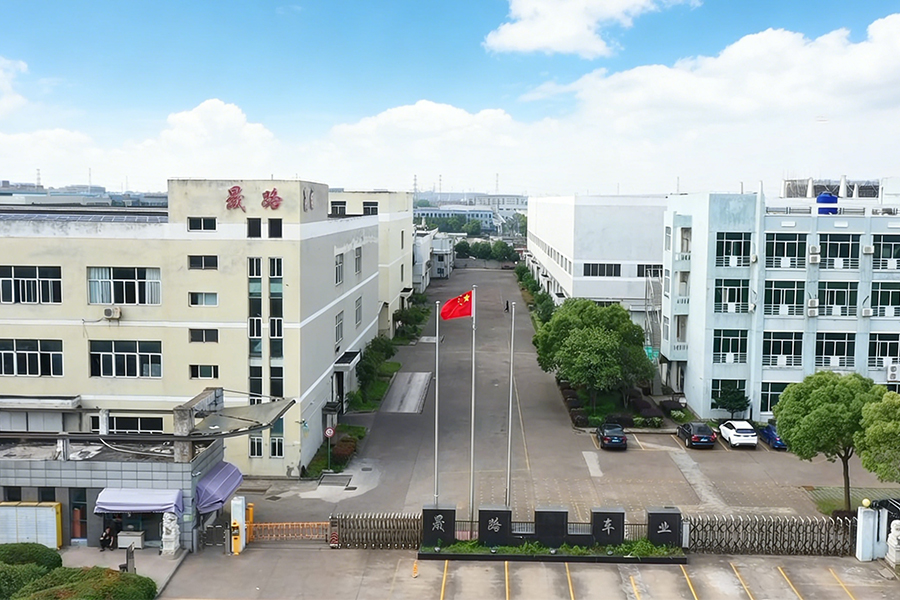
Ningbo Shenglu Bicycle Co., Ltd. is located in Ningbo City, Zhejiang Province, China. Founded in 1998, the company covers an area of 80,000 square meters. Over years of development, it has established a complete production chain manufacturing system. As one of China alloy bike hub manufacturers and bicycle components factory operators, the company has built a process-control-centered production philosophy under the concept of “Manufacturing Bicycle Components, Built on Process Control”.
The company has an annual production capacity of 15 million pairs of steel hubs and 5 million pieces of freewheels. This large-scale manufacturing capability reflects not only production efficiency but also its position as a stable global supplier. The core brand “SHUNFENG” has gained strong industry recognition and is widely applied in different bicycle systems.
The manufacturing system integrates punching, aluminum forging, CNC machining, cold forging, blackening and phosphating, aluminum oxidation, CP and ED plating, heat treatment, and final assembly. By integrating all processes within a single factory system, Ningbo Shenglu Bicycle Co., Ltd. ensures consistent quality output and stable batch production performance.
As a professional manufacturing enterprise, the company serves both OEM and ODM markets. Its role as both manufacturer and supplier enables it to participate in product development, structural optimization, and large-scale production delivery. This integrated model strengthens its position in the global Bicycle Components Manufacturers ecosystem.
The factory’s production system ensures that raw materials are transformed into precision components through controlled processes. Each stage is designed to maintain consistency in mechanical performance and durability, allowing the company to meet diverse international market requirements.
Customization Capabilities and OEM/ODM Service System in Bicycle Components Manufacturing
In the global bicycle industry, customization capability has become a key competitive factor for Bicycle Components Manufacturers. Ningbo Shenglu Bicycle Co., Ltd. provides scalable customization services based on controllable production processes, allowing customers to adapt products to different market requirements.
Structural and specification customization includes hub body dimensions aligned with different frame standards, axle system compatibility including quick release and thru axle configurations, hole count and flange geometry adjustments, and bearing configuration optimization based on application requirements. All structural adjustments are reviewed to ensure compatibility with in-house machining and automated assembly systems.
Material and surface treatment options include aluminum alloy selection based on strength and weight targets, anodizing, electrophoresis, and plating processes for surface finishing, and color consistency solutions for batch production. These treatments are designed to ensure durability, corrosion resistance, and long-term appearance stability rather than purely visual enhancement.
Branding and identification customization includes laser marking, logo engraving, private label OEM branding, and customized packaging labels. These branding processes are integrated into production workflows to ensure consistency across large-volume manufacturing.
Packaging customization is developed according to different logistics requirements and international transportation conditions. OEM packaging solutions are designed to improve product protection during shipping while maintaining efficiency in storage and handling processes.
Through these integrated customization capabilities, Ningbo Shenglu Bicycle Co., Ltd. strengthens its role as a professional bicycle components factory and supplier in global markets. The OEM/ODM cooperation model enables closer collaboration between manufacturers and brand owners, improving product adaptability across different application scenarios.
In the broader industry trend, Bicycle Components Manufacturers are gradually evolving from simple production providers to system solution partners. Manufacturing factories with complete production chains and engineering capabilities are increasingly positioned at the core of global supply networks.
FAQ
Q1:What products do Bicycle Components Manufacturers mainly produce?
Bicycle Components Manufacturers typically produce wheel systems, transmission systems, braking systems, and structural connection parts. Among them, hubs, freewheels, and axle systems are considered core product categories that directly affect bicycle performance.
Q2:What is the production capacity of Ningbo Shenglu Bicycle Co., Ltd.?
The company operates an 80,000 square meter manufacturing base with an annual output capacity of 15 million pairs of steel hubs and 5 million pieces of freewheels. The factory is equipped with a complete production chain and automated processing systems.
Q3:What customization services are provided by bicycle component manufacturers?
Manufacturers provide structural customization, material selection, surface treatment options, branding integration, and packaging solutions. These services allow products to meet different market standards and application requirements.
Q4:What role do bicycle component suppliers play in the global industry?
Suppliers are responsible for delivering standardized and customized components to OEM brands and assembly systems. Their manufacturing capability and process stability directly impact overall bicycle quality and performance.



 English
  русский
  Français
  Español
  Português
  عربى
عربى