Wheelset Structural Evolution and Product Classification in Modern Bicycle Systems
Wheelset is one of the most critical components of a bicycle system. It consists of four main parts: rim (Rim), spokes (Spokes), hub (Hub), and tire (Tire). It plays a key role in supporting the bicycle’s weight, transmitting riding power, and adapting to different road conditions. Within the global OEM/ODM Wheelset Manufacturers and Wheelset Factory system, Wheelset is not only a standardized component but also a continuously optimized product module driven by lightweight design, aerodynamics, and structural strength improvements.
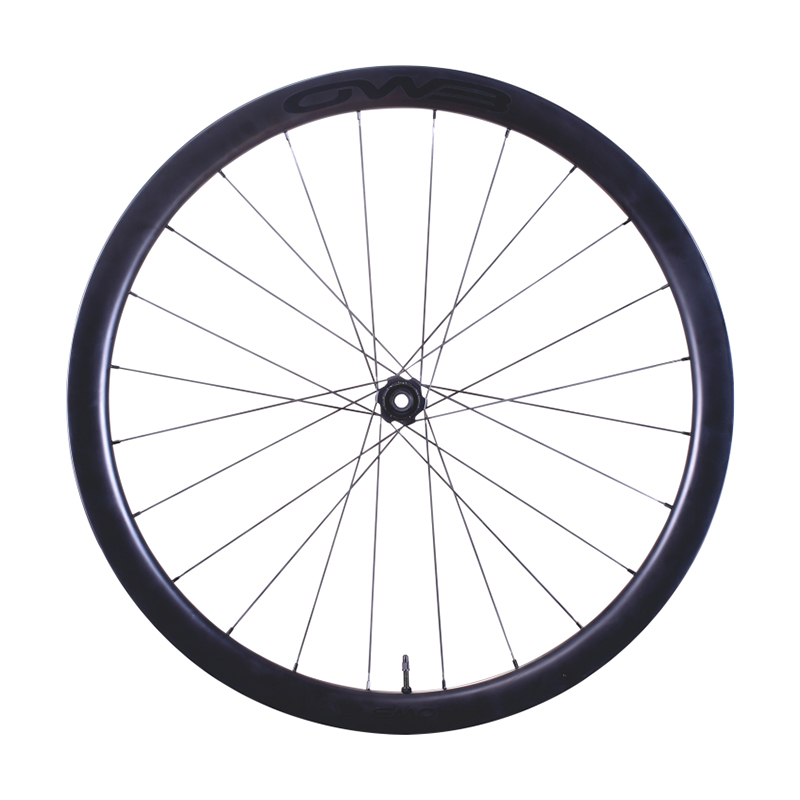
From a structural perspective, the spoke system connects the rim and hub through tension distribution. Its design has evolved from traditional round spokes to bladed, aerodynamic, and butted profiles, significantly reducing air resistance while improving high-speed stability. Early rims commonly used 32–36 spoke holes to ensure structural redundancy and load capacity, while modern Wheelset designs gradually reduce spoke hole counts to achieve lower weight while maintaining stiffness through optimized stress distribution and material enhancement.
The tire system has also undergone continuous material and structural upgrades. Inner tubes widely use Presta or Schrader valve systems, while high-end outer tires increasingly adopt Kevlar reinforcement layers to improve puncture resistance under complex riding conditions. The evolution of Wheelset systems has shifted from single-component improvement to integrated system optimization, involving suppliers, manufacturers, and factories at the early design stage.
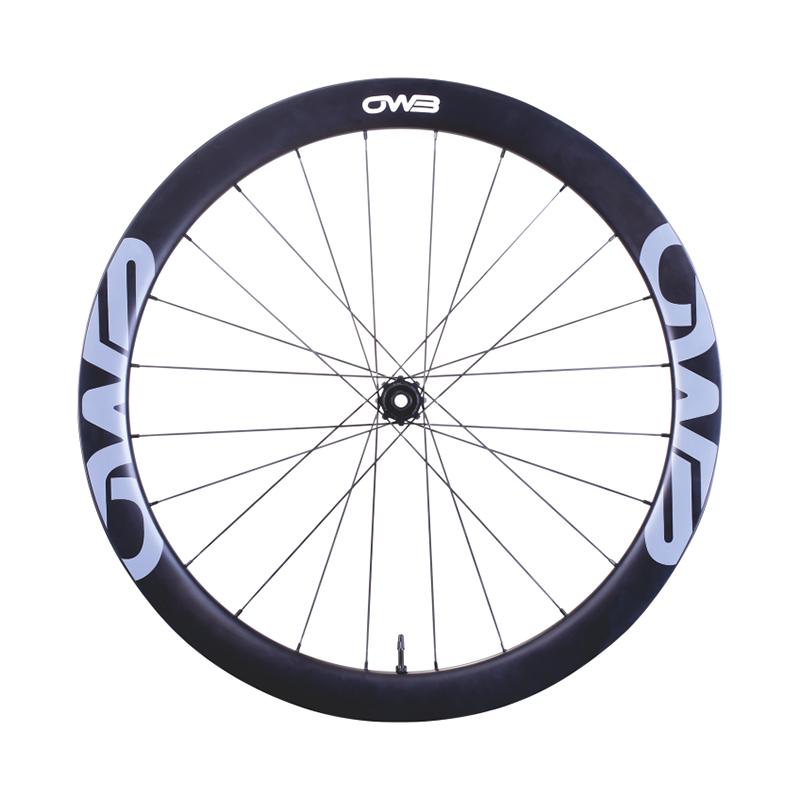
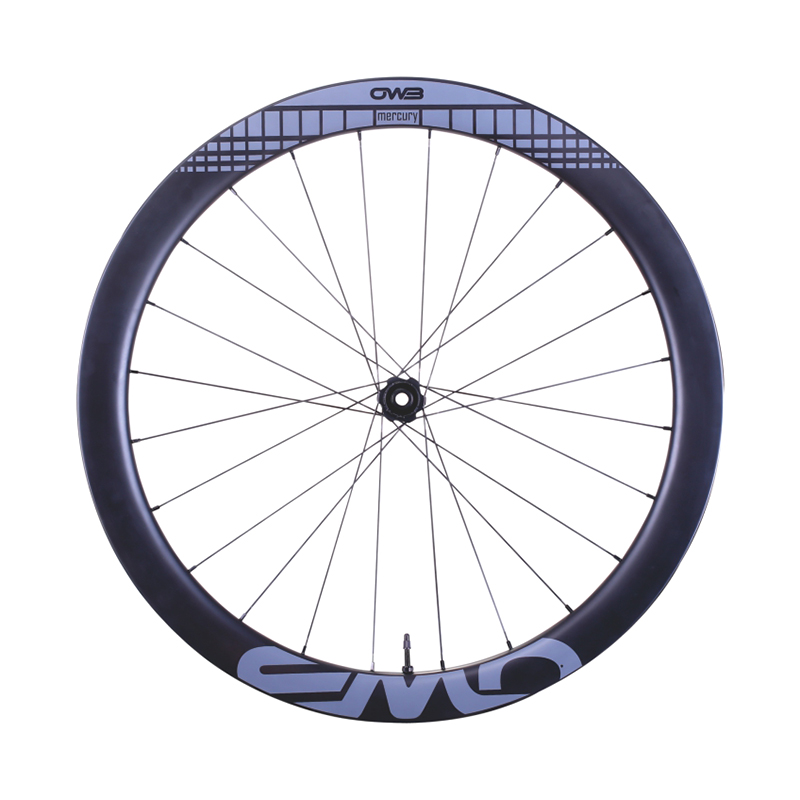
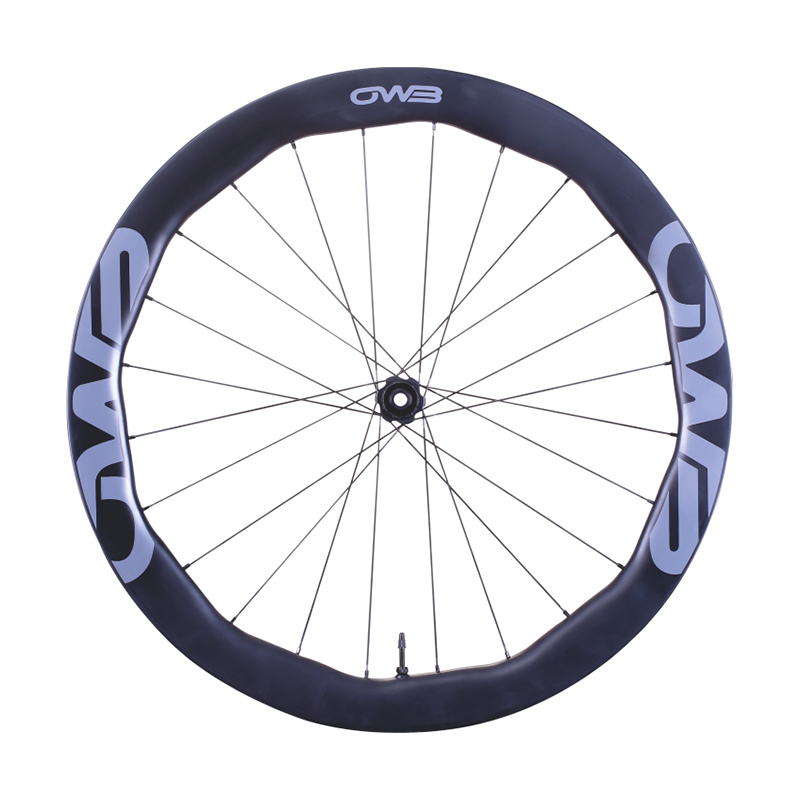
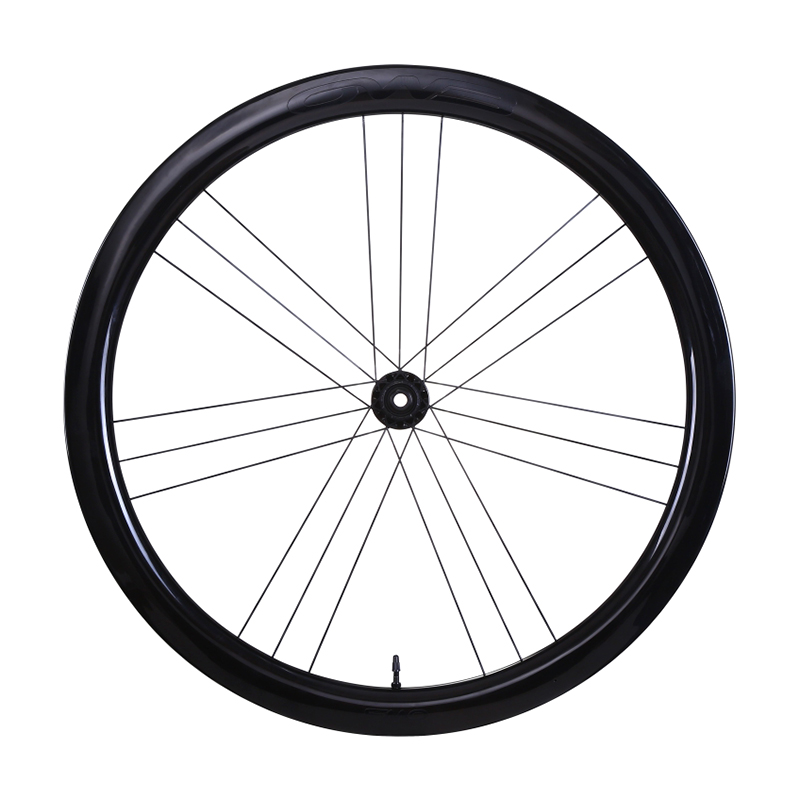
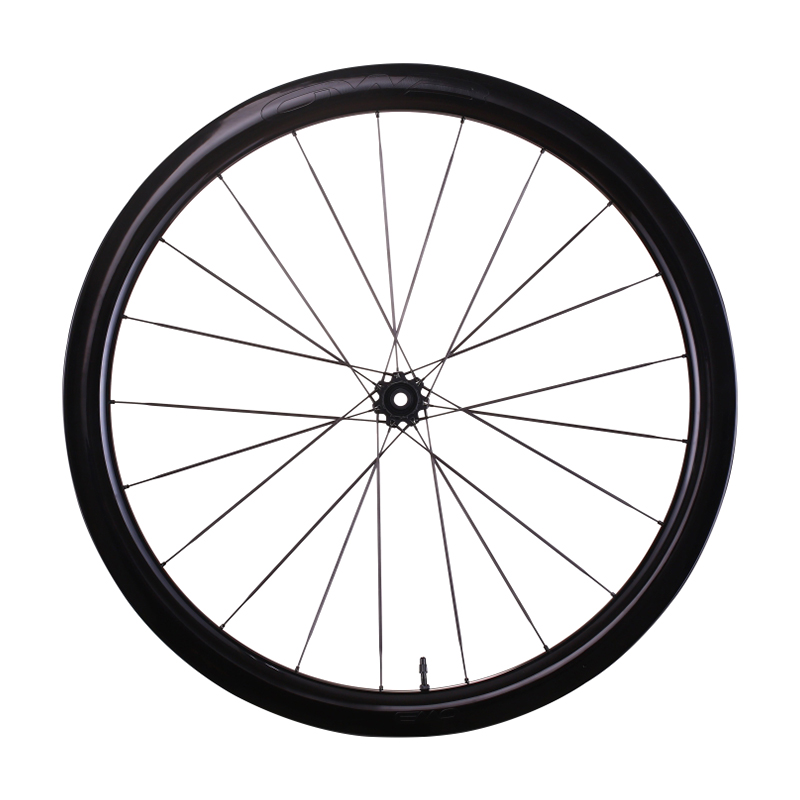
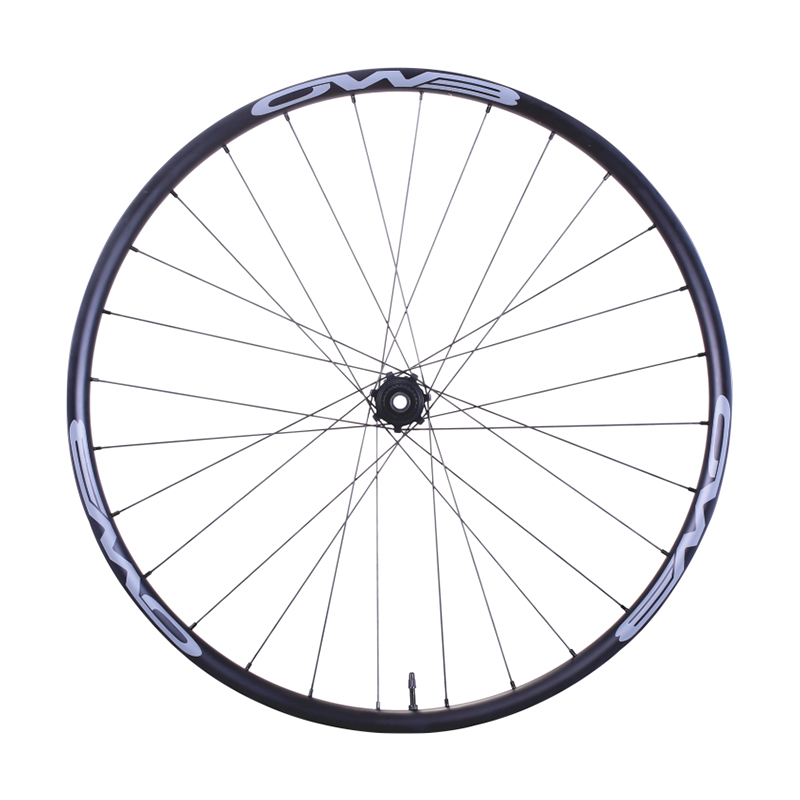
In terms of classification, Wheelset structures are typically defined by rim cross-section and application scenarios. Deep-section rims provide improved aerodynamic performance by reducing drag at high speeds, while box-section rims offer stronger lateral impact resistance, making them suitable for rough terrain. The selection between these structures directly influences the production processes of OEM/ODM Wheelset Factory operations and overall bicycle performance.
During assembly, rim trueness, spoke lacing angles, and spoke tension balance are key parameters affecting Wheelset performance. Manufacturers use precision tension measurement systems and dynamic calibration processes to ensure stability during high-speed rotation, improving riding efficiency and structural reliability.
Manufacturing Systems and Process Control in OEM/ODM Wheelset Manufacturers
In the global bicycle component industry chain, OEM/ODM Wheelset Manufacturers and OEM/ODM Wheelset Factory operations are responsible for full-cycle production from design to mass manufacturing. Their core competitiveness lies in material control, machining precision, and systematic production capability. Modern Wheelset manufacturing is no longer limited to component processing but is built on the principle of “Manufacturing Bicycle Components, Built on Process Control”.
In the Wheelset production process, hub structures have evolved from traditional cup-and-cone systems to cartridge bearing systems, significantly improving rotational smoothness and reducing maintenance requirements. Spokes are widely made of high-strength steel or lightweight alloys with optimized cross-sections to reduce aerodynamic drag. Rim production is designed according to different riding requirements, balancing stiffness and weight through deep and shallow cross-section configurations.
OEM/ODM Wheelset Factory operations integrate multi-stage production chains, including raw material processing, surface treatment, and final assembly. Common manufacturing processes include stamping, aluminum forging, CNC machining, cold forging, blackening treatment, phosphating, aluminum anodizing, CP and ED plating, heat treatment, and final assembly. This integrated process system improves consistency and product stability in mass production.
The relationship between Wheelset structure and technical classification can be illustrated as follows:
| Classification Dimension |
Type |
Technical Features |
Application Scenario |
Performance Characteristics |
| Rim Structure |
Deep-section Rim |
Aerodynamic optimization with high profile design |
Road racing, high-speed cycling |
Low drag, high stiffness |
| Rim Structure |
Box-section Rim |
Enhanced lateral structural support |
Mountain and rough terrain riding |
High impact resistance, stable handling |
| Hub Structure |
Cartridge Bearing Hub |
Sealed bearing system |
Mid-to-high-end bicycles |
Smooth rotation, low maintenance |
| Hub Structure |
Traditional Cup-and-Cone Hub |
Steel ball rolling structure |
Entry-level bicycles |
Low cost, simple structure |
| Spoke Structure |
Blade Spokes |
Reduced aerodynamic drag design |
Competitive cycling |
High-speed performance |
| Spoke Structure |
Round Spokes |
Standard structural design |
General bicycles |
Balanced strength |
| Tire Structure |
Puncture-resistant Tire |
Kevlar reinforcement layer |
Long-distance and mixed terrain |
High durability |
| Tire Structure |
Racing Tire |
Lightweight construction |
Road racing |
Low rolling resistance |
In OEM/ODM Wheelset Manufacturers production systems, quality control extends beyond individual processes and covers the entire manufacturing chain. Spoke tension balancing systems ensure uniform stress distribution, preventing localized fatigue concentration. Rim manufacturing includes trueness correction and dynamic balancing tests to ensure stability during high-speed rotation.
Spoke lacing angle design during assembly has a significant influence on overall stiffness. Different lacing patterns alter force transmission paths and torque response efficiency. Manufacturers often develop customized configurations based on bicycle application scenarios, ensuring consistent performance output under different riding conditions.
Factory Manufacturing Capability and Corporate Structure under “Manufacturing Bicycle Components, Built on Process Control”
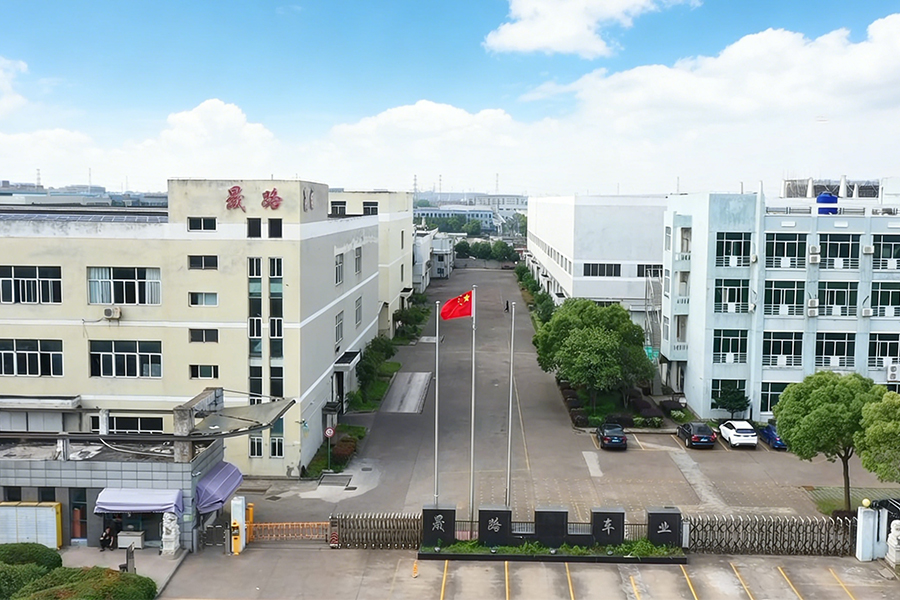
In the bicycle industry chain, factory-level manufacturing capability determines product stability and mass production efficiency. Ningbo Shenglu Bicycle Co., Ltd. plays an important role within the OEM/ODM Wheelset Factory system as a fully integrated manufacturing enterprise. Located in Ningbo, Zhejiang Province, China, the company was founded in 1998 and covers an area of 80,000 square meters.
Ningbo Shenglu Bicycle Co., Ltd. has developed a complete production chain and built a strong manufacturing system under its core brand “SHUNFENG”, which has gained solid recognition in the industry. The company has an annual production capacity of 15 million pairs of steel hubs and 5 million freewheels, demonstrating large-scale manufacturing capability within OEM/ODM Wheelset Manufacturers systems.
The factory integrates multiple processes into a continuous production chain, including stamping, aluminum forging, CNC machining, cold forging, surface treatment, heat treatment, and assembly. Through this highly integrated Manufacturing Bicycle Components, Built on Process Control system, Wheelset products achieve high consistency and precision while meeting customized requirements from OEM/ODM Wheelset Factory clients.
Aluminum alloy and high-carbon steel materials form the foundation of Wheelset manufacturing. Aluminum components undergo anodizing treatment to enhance corrosion resistance, while steel components are strengthened through phosphating and heat treatment. Hub bearing systems are assembled under strict tolerance control to ensure low-friction rotation and stable long-term performance.
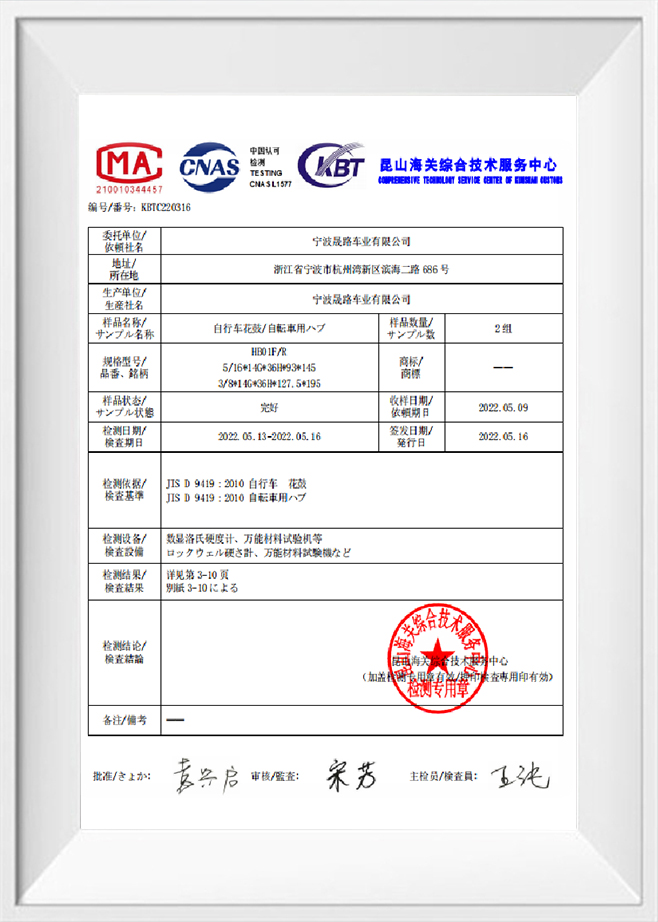
Within OEM/ODM Wheelset Manufacturers systems, manufacturers not only supply components but also participate in bicycle performance tuning. Different rim depths, spoke densities, and hub configurations create diverse product solutions for various market segments. Factory-level testing and dynamic load validation ensure structural reliability under extreme conditions.
In global supply chain systems, manufacturers, suppliers, and factories form a coordinated production network that enables Wheelset products to cover applications from entry-level commuting bicycles to high-end racing models. This process-driven manufacturing system positions Wheelset as a fundamental module for overall bicycle performance optimization.



 English
  русский
  Français
  Español
  Português
  عربى
عربى