How OEM/ODM Bike Hub Manufacturers Build High-Performance Bicycle Hub Manufacturing Systems?
The bicycle hub is the core component of a bicycle wheel, connecting the rim, spokes, and frame while serving as the foundation of both the rolling and drivetrain systems. The machining precision, material properties, assembly quality, and internal structural design of a hub directly affect riding efficiency, durability, and handling performance. As the global bicycle industry continues to evolve, the increasing demand for high-performance mountain bikes, road bikes, urban commuting bicycles, and electric bicycles has encouraged OEM/ODM Bike Hub Manufacturers to continuously improve manufacturing technologies, optimize product structures, and establish comprehensive OEM and ODM service systems.
For global buyers, selecting an experienced OEM/ODM Bike Hub Factory is about more than purchasing components. It involves finding a supplier with complete production capabilities, stable quality control, reliable delivery schedules, and strong engineering support. A qualified manufacturer can not only produce hubs according to customer drawings but also provide valuable suggestions for structural optimization and product improvement, helping brands shorten development cycles and improve market competitiveness.
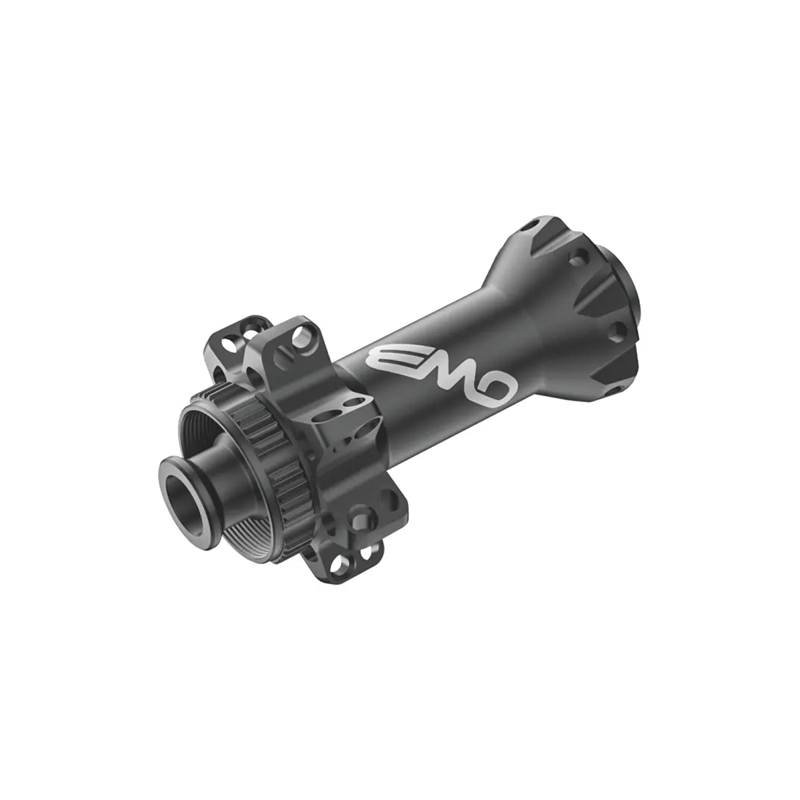
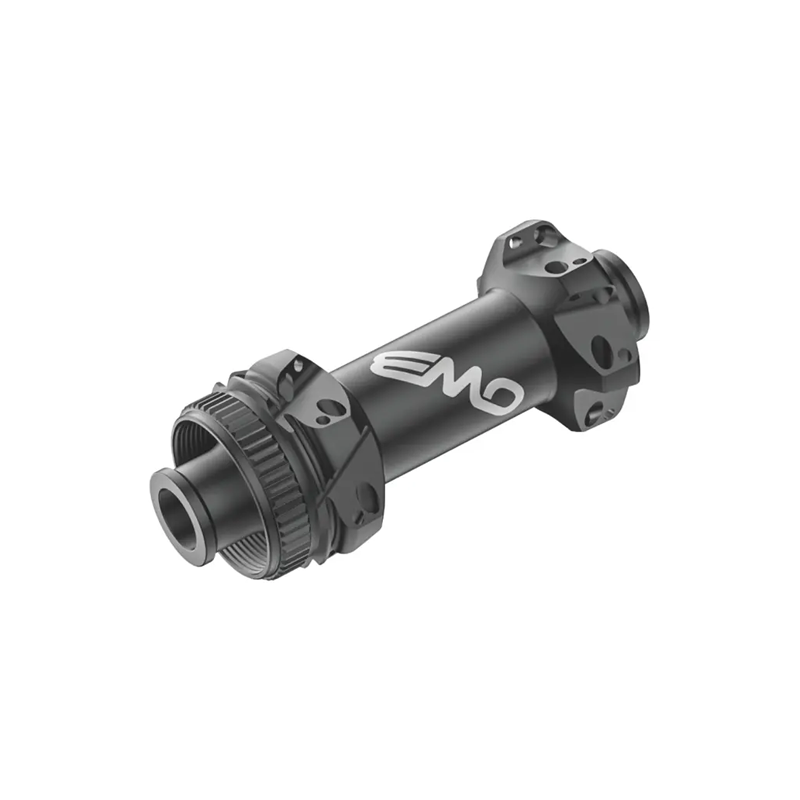
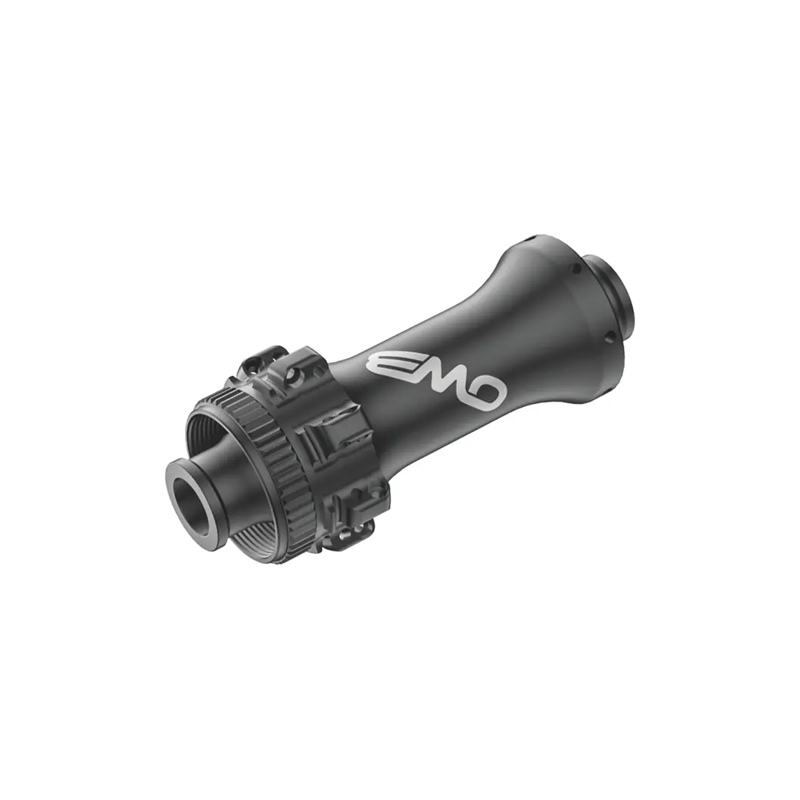
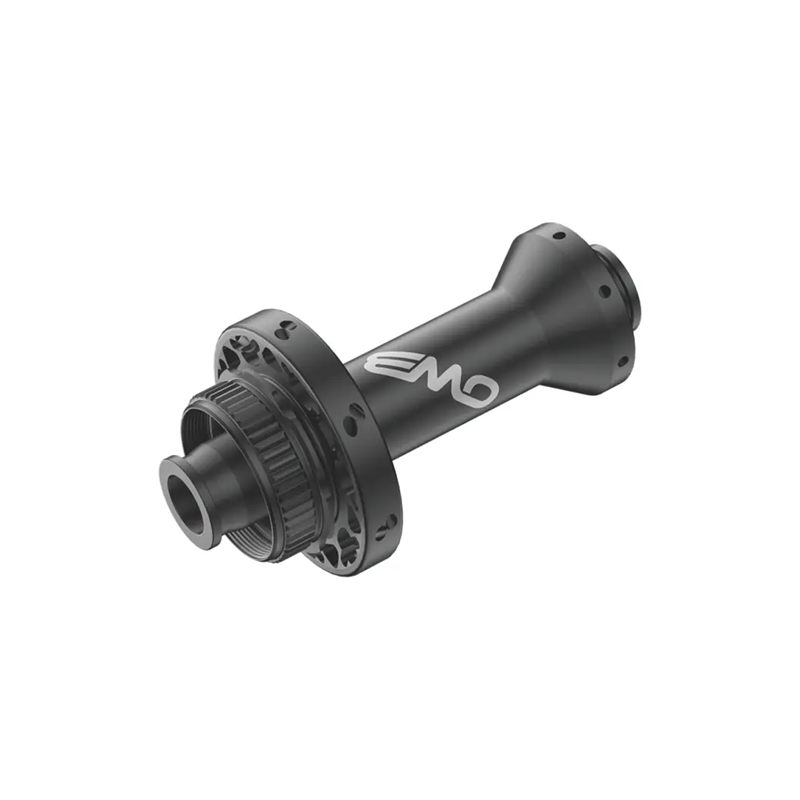
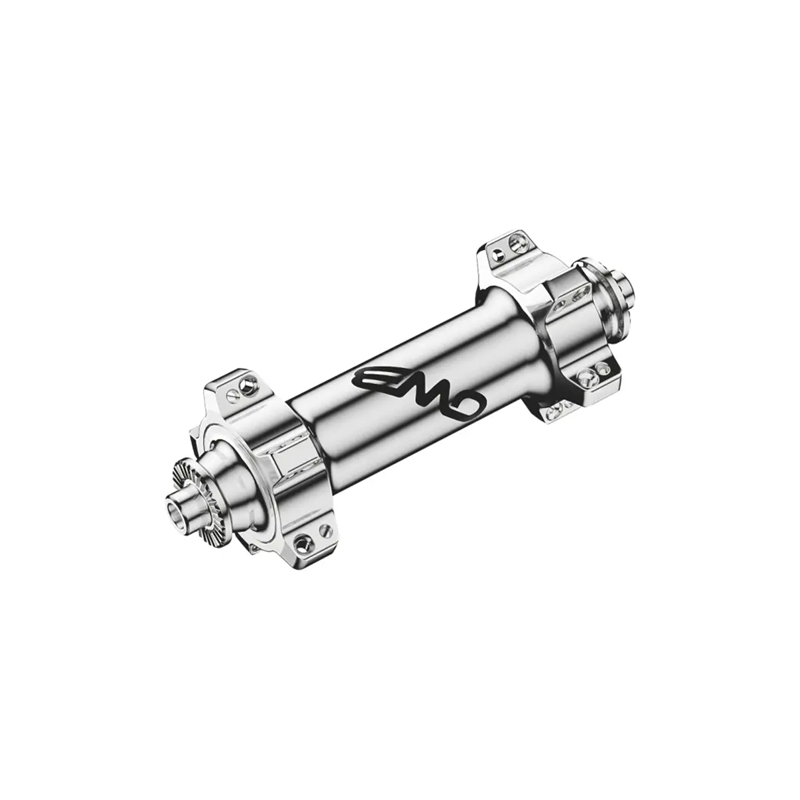
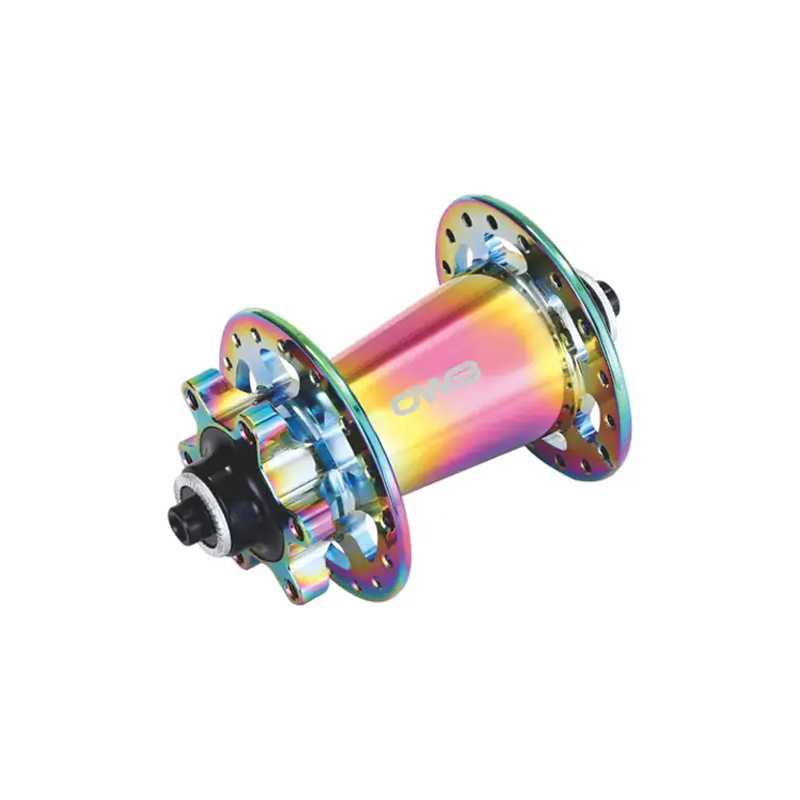
The bike hub is positioned at the center of the wheel and is connected to the rim through spokes to form a complete wheel assembly. Inside the hub, a bearing system minimizes rotational resistance and ensures smooth wheel movement. Modern hubs are commonly manufactured from steel or aluminum alloy, with different materials serving different applications. Steel hubs are recognized for their excellent strength and wear resistance, making them suitable for city bicycles and shared bikes, while aluminum alloy hubs offer lighter weight, higher rigidity, and superior corrosion resistance, making them the preferred choice for mountain bikes, road bicycles, and competitive cycling applications.
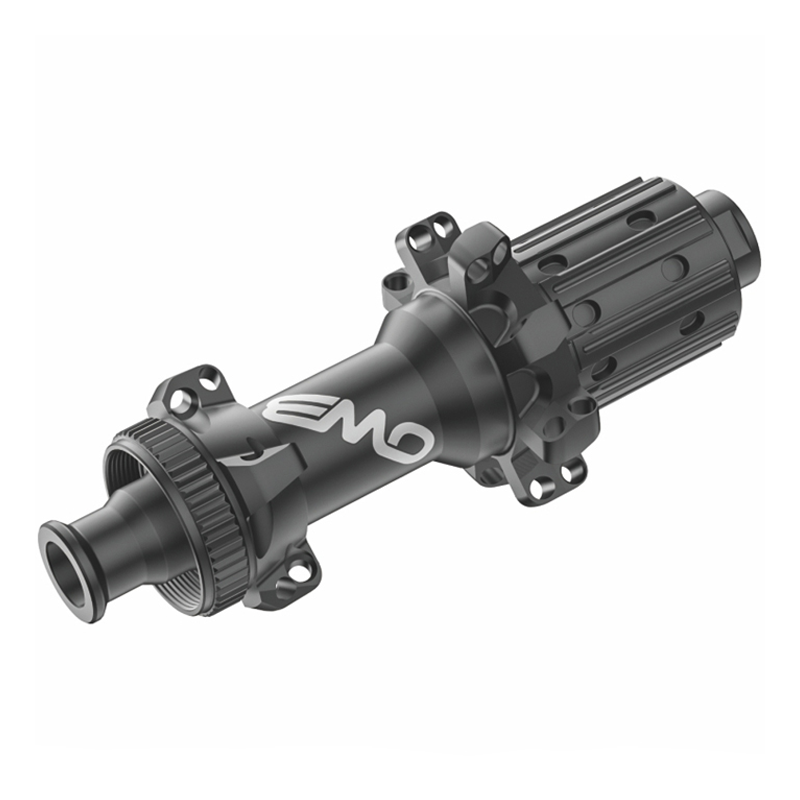
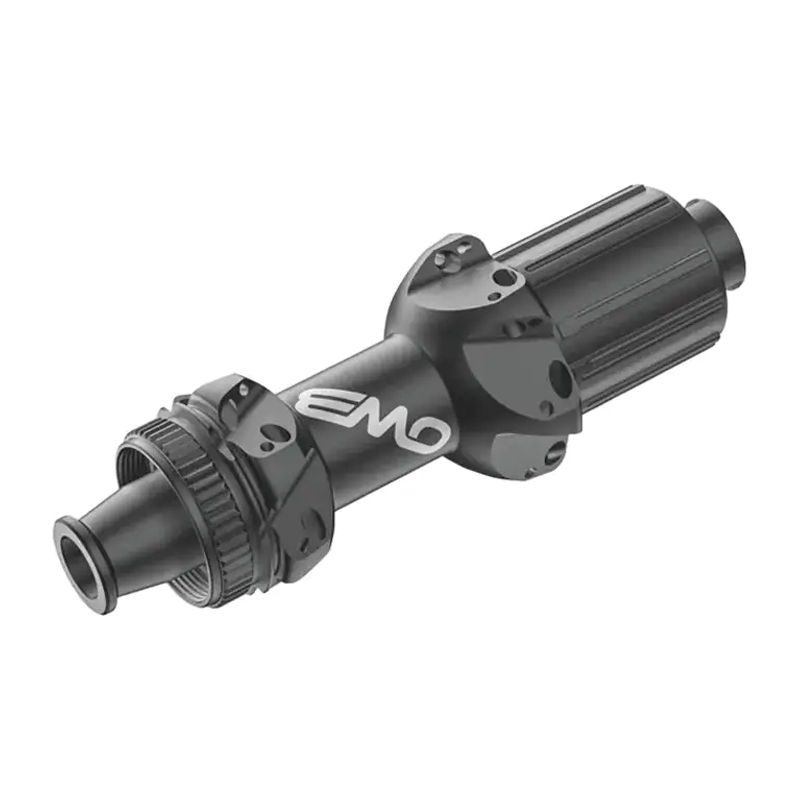
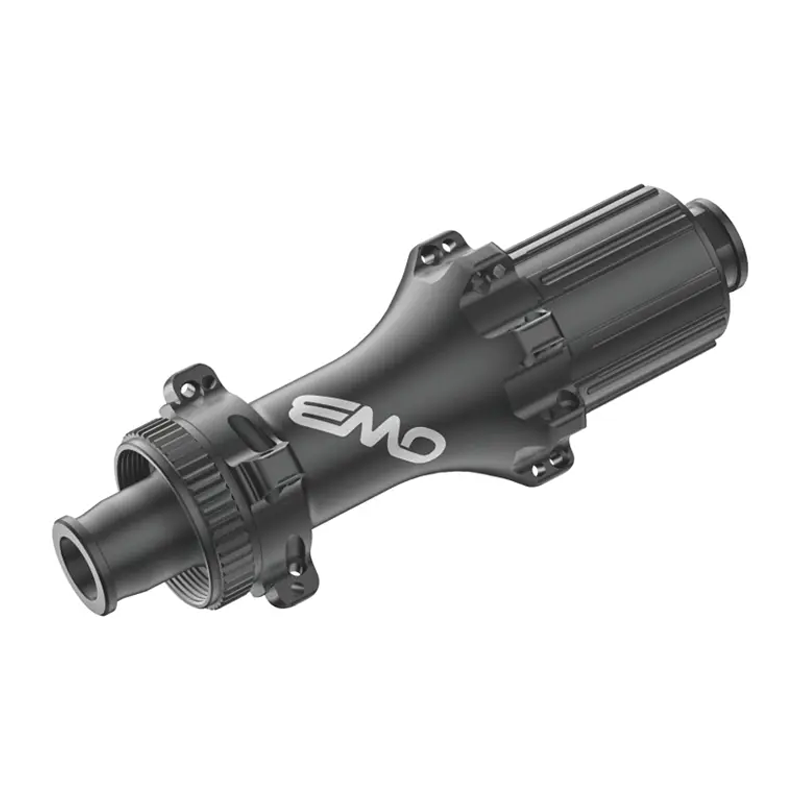
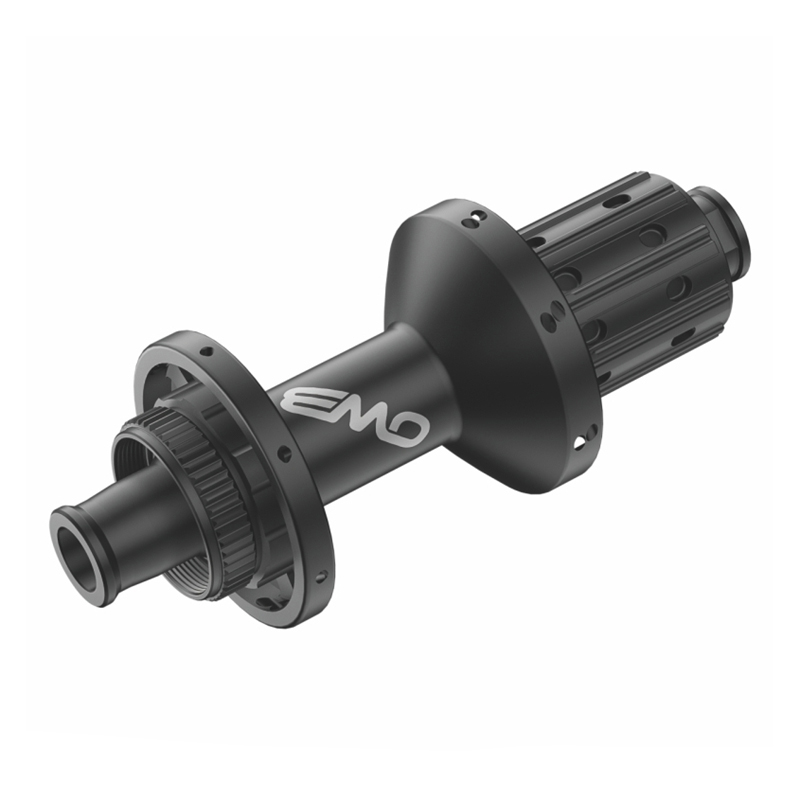
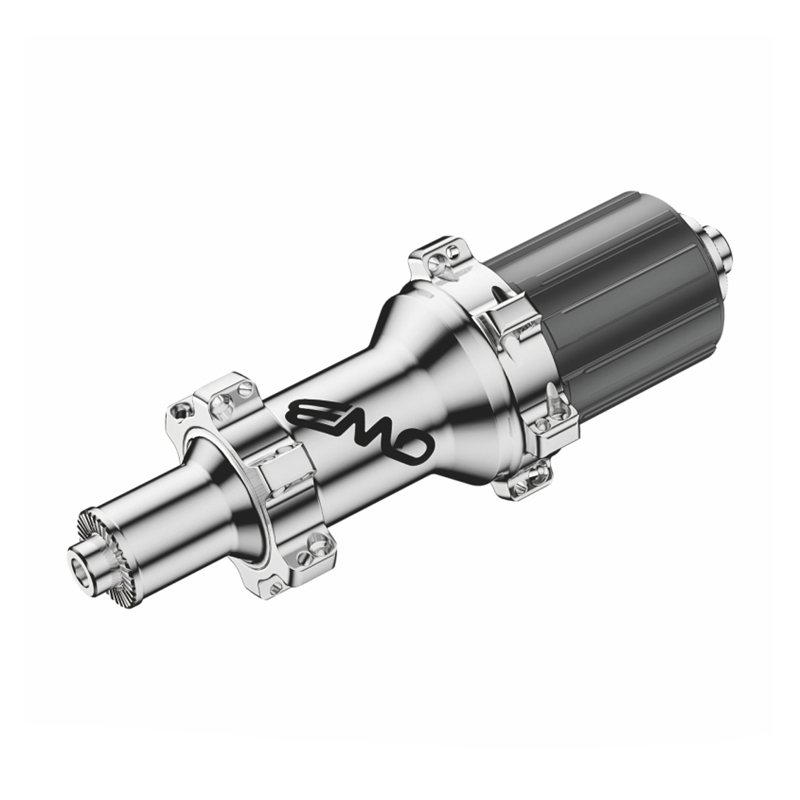
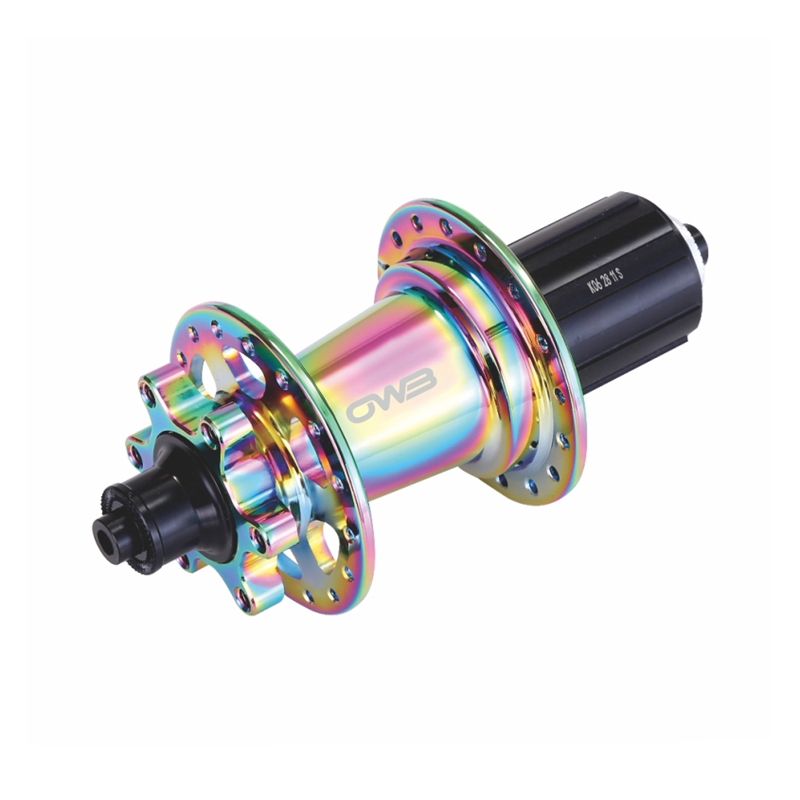
Compared with front hubs, rear hubs feature a much more sophisticated internal structure because they integrate a freehub body that supports the cassette and transfers pedaling power through a ratchet mechanism. When the rider pedals, the ratchet engages instantly to transmit torque. Once pedaling stops, the mechanism disengages automatically, allowing the wheel to rotate freely while maintaining momentum. This design improves transmission efficiency and reduces wear throughout the drivetrain.
Modern bike hubs are also designed to be compatible with disc brake systems. The two most widely used international standards are the Six-Bolt mounting system and the Center Lock interface. These standardized mounting options enable compatibility with different brake brands and improve interchangeability across bicycle platforms. For OEM/ODM Bike Hub Manufacturers, standardized interfaces have become an essential requirement for international markets and efficient global supply chain cooperation.
OEM/ODM Bike Hub Manufacturers Continue Enhancing Manufacturing Capabilities to Drive Industry Development
The bicycle industry has entered an era of highly specialized manufacturing. Many international bicycle brands now outsource hub production to professional manufacturers while focusing their own resources on branding, product planning, and market expansion. This cooperative business model has positioned the OEM/ODM Bike Hub Factory as an indispensable part of the global bicycle supply chain.
A mature bicycle hub manufacturer generally operates a complete manufacturing process. Production begins with strict inspection of raw materials, including steel and aluminum alloys. Chemical composition, mechanical properties, and machinability are carefully evaluated to ensure stable quality throughout subsequent production stages.
Stamping technology serves as one of the key manufacturing processes for steel hubs. High-precision dies rapidly shape hub shells while maintaining excellent dimensional consistency and production efficiency. Aluminum hubs, on the other hand, are commonly produced through forging processes, where high pressure refines the internal grain structure and significantly improves material strength.
Following initial forming, hub components enter CNC machining centers where precision operations create bearing seats, spoke flange holes, threaded sections, and mounting surfaces. Since bicycle hubs are high-speed rotating components, concentricity, runout, and dimensional tolerances must be tightly controlled. High-precision CNC equipment therefore plays a critical role in ensuring manufacturing quality for OEM/ODM Bike Hub Manufacturers.
Cold forging further improves the internal grain structure of metal components, resulting in enhanced fatigue resistance. Because hubs are subjected to repeated dynamic loads throughout their service life, this process contributes significantly to long-term durability.
Heat treatment further optimizes the microstructure of the material, increasing hardness and wear resistance while maintaining sufficient toughness to withstand demanding riding conditions.
Surface treatment also has a major impact on product quality. Steel hubs commonly undergo blackening, phosphating, CP plating, or ED coating to improve corrosion resistance. Aluminum alloy hubs typically receive anodizing treatment, which enhances wear resistance while offering a variety of attractive color finishes that meet different branding requirements.
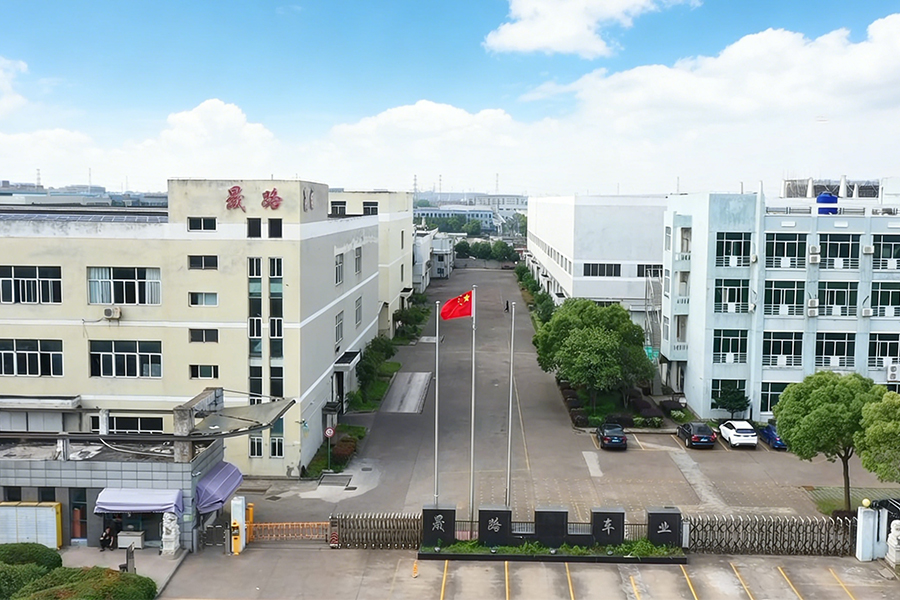
As a professional supplier, Ningbo Shenglu Bicycle Co., Ltd. has established a complete in-house manufacturing system after more than two decades of continuous development. The production chain covers stamping, aluminum forging, CNC machining, cold forging, heat treatment, blackening, phosphating, anodizing, CP and ED plating, and final assembly. This vertically integrated manufacturing model improves product consistency while shortening delivery times and providing customers with reliable OEM and ODM services.
For international buyers, an integrated production chain means better process control. Reduced dependence on outsourced processing helps minimize dimensional deviations and quality fluctuations while ensuring stable product performance across different production batches.
Modern bike hubs typically adopt a modular internal structure. Bearings, hub shells, axles, ratchet mechanisms, and seals are designed as replaceable modules, making maintenance more efficient. When bearings become worn, specialized tools allow technicians to replace them quickly, and the freehub mechanism can also be serviced independently, extending the overall service life of the hub.
Rear hubs currently available on the market are generally classified as single-speed hubs, derailleur hubs, and internal gear hubs. Derailleur hubs adjust gear ratios through cassette systems, allowing bicycles to adapt to varying riding conditions, while internal gear hubs integrate the shifting mechanism inside the hub body, providing superior protection against dust and moisture with reduced maintenance requirements.
Modern hub patents indicate that internal spline engagement structures are widely used for torque transmission. This design distributes driving forces more evenly across contact surfaces while maintaining optimized engagement angles to maximize transmission efficiency and reduce wear. Such engineering improvements have become important technical characteristics of premium bicycle hubs.
As cycling enthusiasts increasingly focus on riding efficiency, bearing quality has become one of the most important indicators of hub performance. Sealed bearings offer excellent resistance to water and dust while requiring minimal maintenance. Open ball bearing systems provide greater service flexibility and lower maintenance costs. Professional OEM/ODM Bike Hub Manufacturers select suitable bearing solutions according to customers' target markets and product positioning.
ODM manufacturing has become increasingly attractive for international bicycle brands. Unlike conventional OEM production that follows customer drawings, ODM manufacturers participate in product development by offering complete engineering solutions covering material selection, structural optimization, weight reduction, manufacturing processes, and appearance design. This collaborative approach significantly shortens product development cycles and helps customers launch new products more efficiently.
Ningbo Shenglu Bicycle Co., Ltd. has consistently adhered to its corporate culture of "People-oriented, Unity and Progress" while providing customers with high-quality products at competitive prices. Covering an area of approximately 80,000 square meters, the company has developed annual production capacities of 15 million pairs of steel hubs and 5 million freewheels. Its core brand, SHUNFENG, has earned an excellent reputation within the bicycle industry, reflecting the company's continuous investment in manufacturing excellence and product quality.
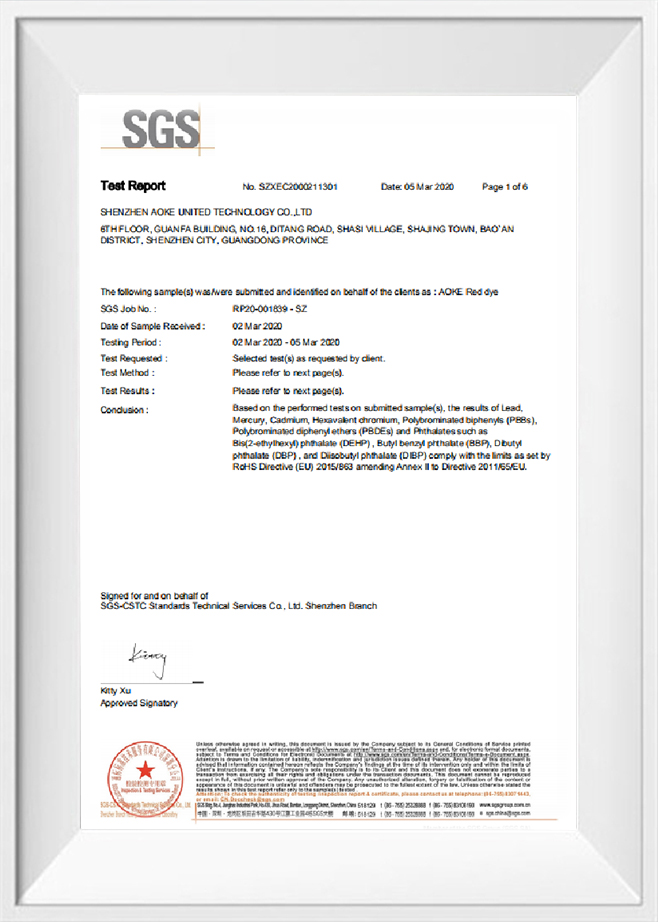
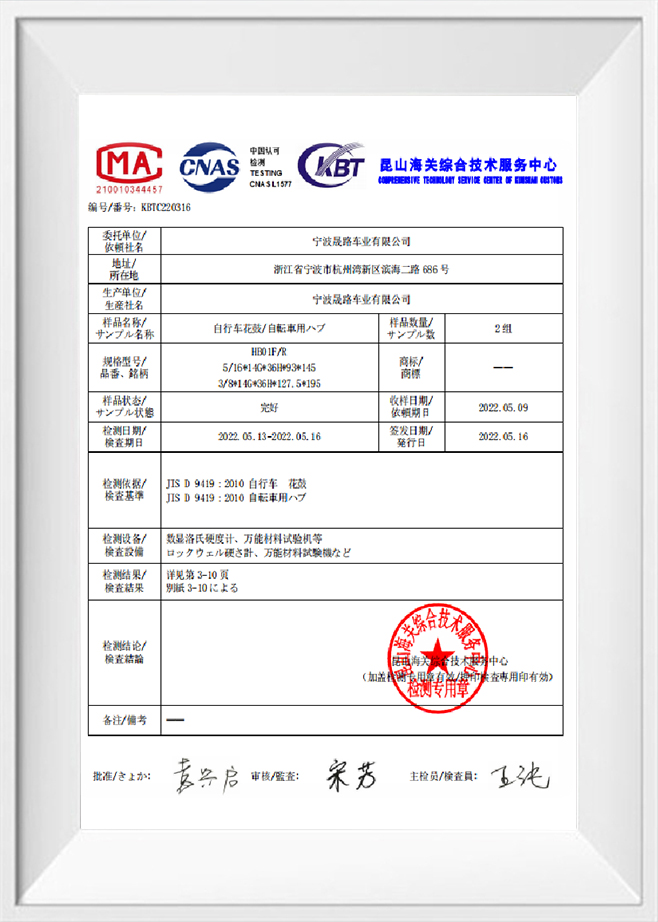
For any OEM/ODM Bike Hub Factory, production capacity alone does not determine competitiveness. Comprehensive quality control throughout every manufacturing stage is equally important. From raw material inspection and machining accuracy to heat treatment parameters, surface finishing, assembly precision, and final performance testing, every manufacturing process directly influences the quality of the finished hub. Professional manufacturers establish complete quality traceability systems to ensure every production batch consistently meets international standards.
As the global bicycle industry continues to move toward lightweight construction, higher efficiency, and greater durability, bike hub technology continues to evolve. More suppliers are investing in automated machining centers, intelligent inspection equipment, and digital manufacturing management systems to improve productivity and consistency. At the same time, OEM/ODM Bike Hub Manufacturers continue expanding research and development efforts to create lighter, stronger, and more durable hub products for global bicycle brands.
FAQ
Q1: What is the primary function of a bike hub?
A bike hub is the central component of a bicycle wheel that connects the rim and spokes while allowing the wheel to rotate smoothly through its internal bearing system. The rear hub also transfers pedaling power to the drivetrain via the freehub mechanism.
Q2: What services do OEM/ODM Bike Hub Manufacturers typically provide?
Professional OEM/ODM Bike Hub Manufacturers generally offer product design, engineering support, prototype development, OEM production, ODM solutions, quality inspection, customized branding, and large-scale manufacturing to meet different market requirements.
Q3: What is the difference between OEM and ODM bike hub manufacturing?
OEM manufacturing produces hubs according to customer-provided drawings and specifications, while ODM manufacturing includes product design and engineering services, allowing customers to launch products under their own brand with reduced development time.
Q4: Why is a complete in-house production chain important for a bike hub factory?
A fully integrated production chain enables better process control, consistent product quality, faster production schedules, improved cost efficiency, and more reliable delivery by minimizing dependence on outsourced manufacturing.
Q5: Which material is better for bike hubs, steel or aluminum alloy?
Steel hubs provide excellent strength, durability, and wear resistance, making them suitable for utility bicycles and heavy-duty applications. Aluminum alloy hubs are lighter, corrosion-resistant, and ideal for mountain bikes, road bikes, and performance-oriented cycling.
Q6: How can buyers choose a reliable OEM/ODM Bike Hub Factory?
Buyers should evaluate the manufacturer's production capacity, machining equipment, quality management system, engineering experience, customization capabilities, testing procedures, delivery performance, and ability to provide comprehensive OEM and ODM services.
Q7: Can bike hub bearings and freehub bodies be replaced?
Yes. Most modern bicycle hubs feature modular designs that allow bearings, freehub bodies, and other serviceable components to be replaced using specialized maintenance tools, extending the overall lifespan of the hub.
Q8: What disc brake mounting standards are commonly supported by modern bike hubs?
Most modern bike hubs are compatible with either the Six-Bolt mounting system or the Center Lock interface, ensuring compatibility with a wide range of disc brake rotors and bicycle models.



 English
  русский
  Français
  Español
  Português
  عربى
عربى