Mechanical Disc Brake Product Classification and Industry Structure of Custom Mechanical Disc Brake Suppliers/Manufacturers
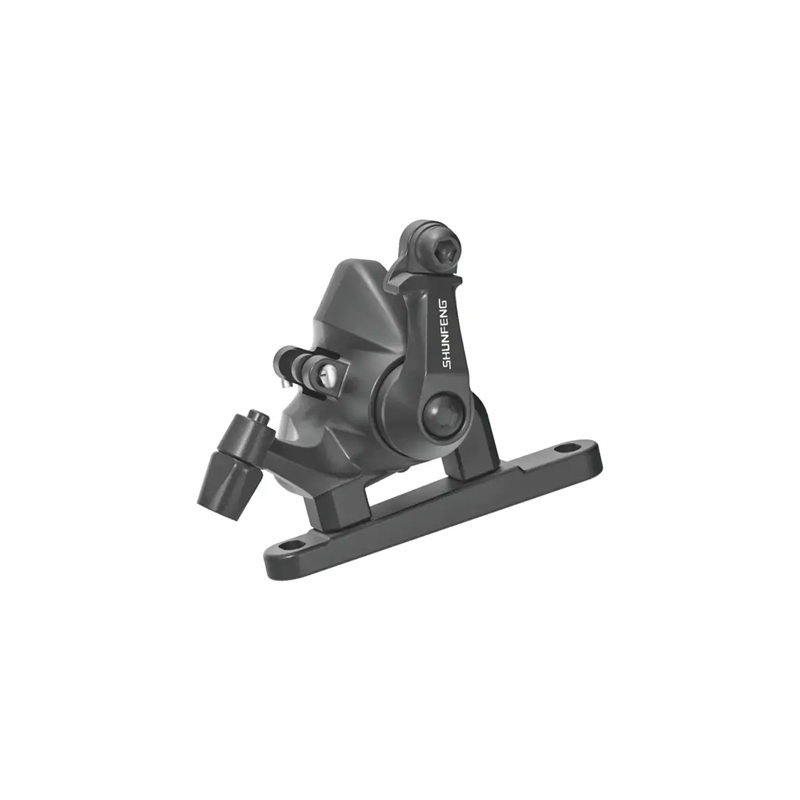
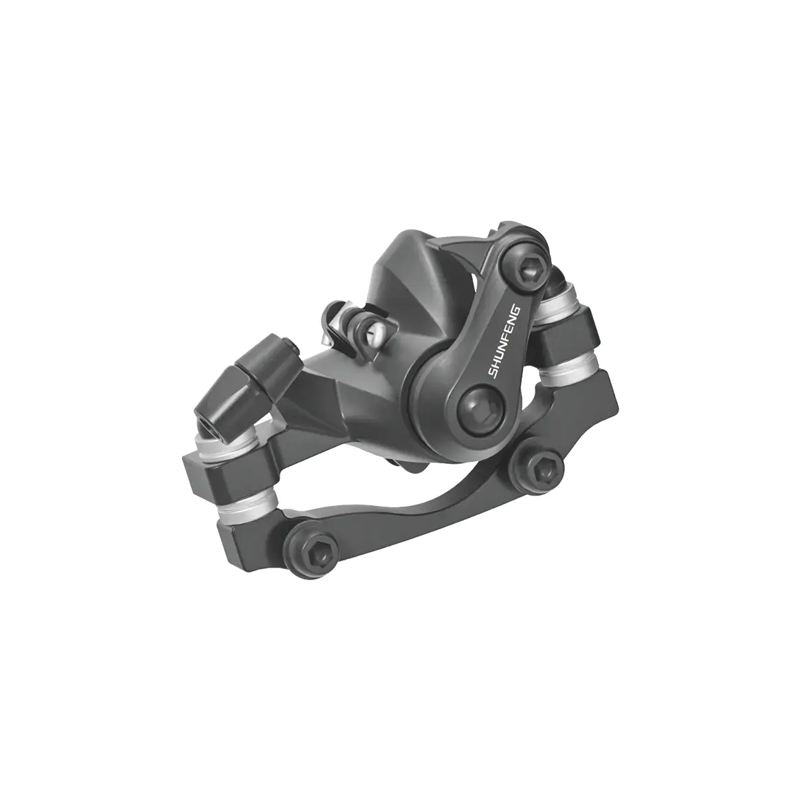
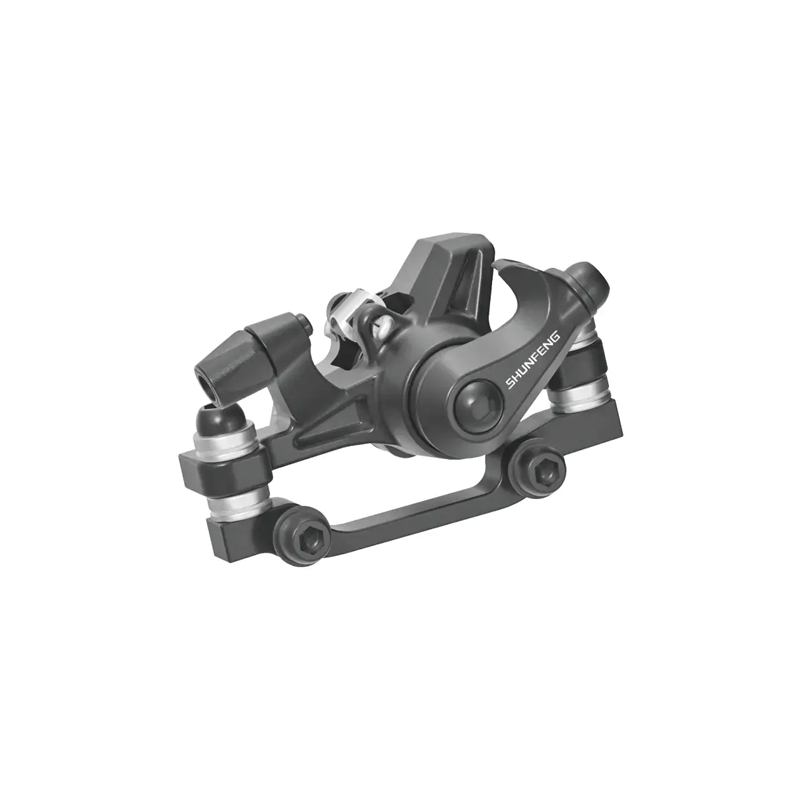
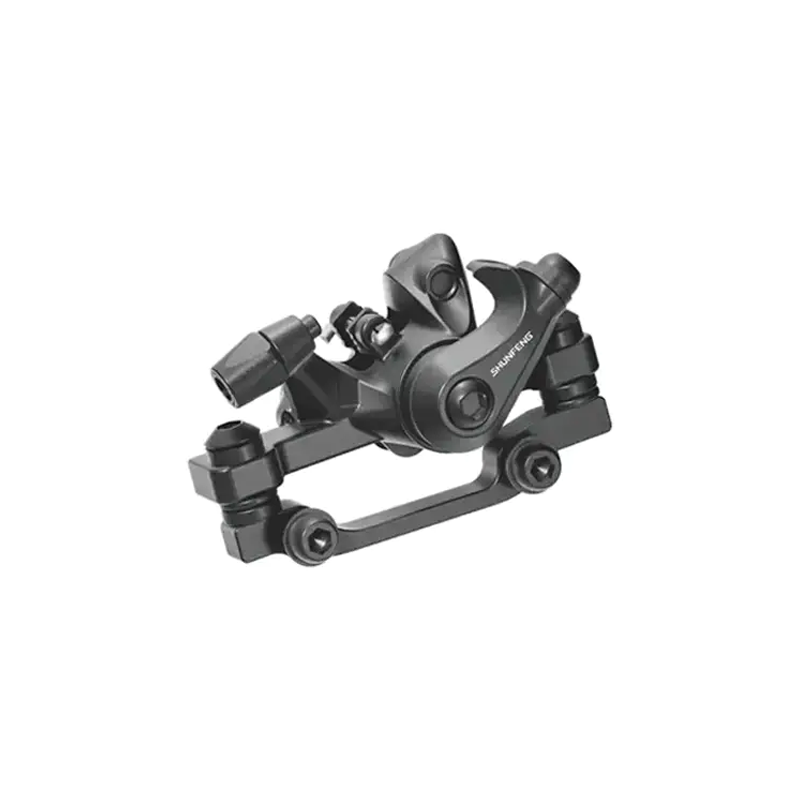
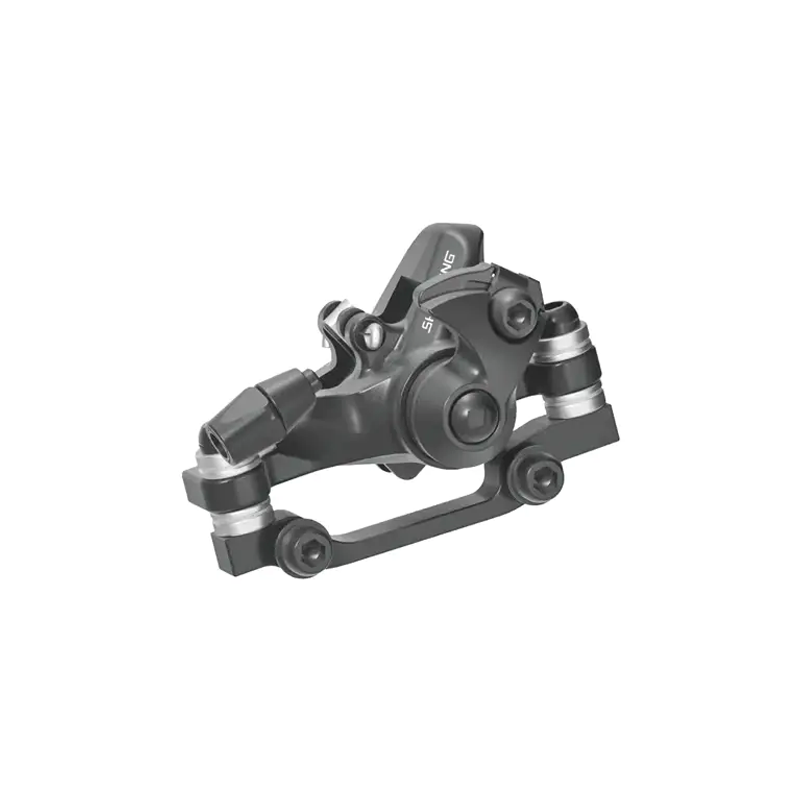
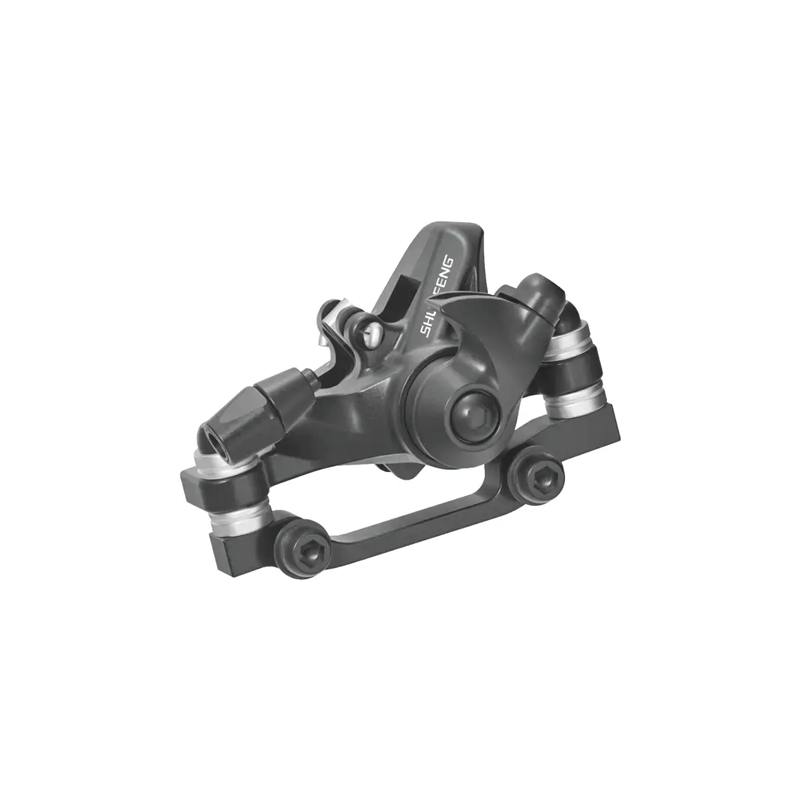
Mechanical Disc Brake is a disc brake system that transmits braking force through a steel cable and is widely used in urban commuter bicycles, entry-level mountain bikes, and folding bicycles. The braking mechanism works by the rider pulling the brake lever, which tensions the brake cable and drives the caliper mechanism to move, pressing the brake pads against the rotor to slow down or stop the bicycle. Compared with hydraulic disc brake systems, mechanical disc brakes rely mainly on mechanical transmission, without hydraulic oil circuits, resulting in a simpler structure and easier maintenance. This makes them highly suitable for daily commuting and budget-conscious riders.
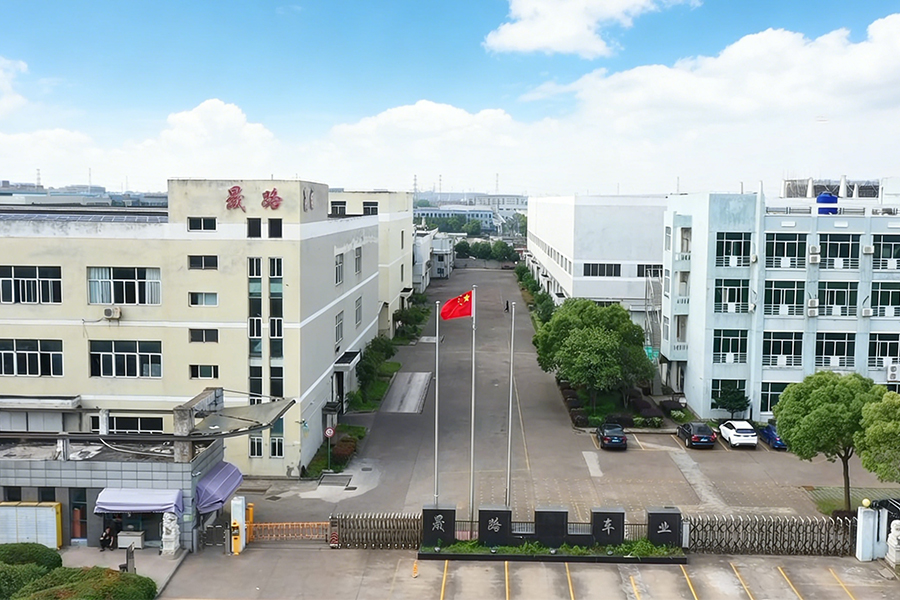
Within the global bicycle component supply chain, Mechanical Disc Brake has developed a multi-tier product structure ranging from standard mass-market products to customized solutions. Custom Mechanical Disc Brake Suppliers and Mechanical Disc Brake Manufacturers play a central role in this structure, not only supplying standardized components but also supporting OEM/ODM development projects. Enterprises such as Ningbo Shenglu Bicycle Co., Ltd. serve as key manufacturing entities connecting design, development, and mass production, with factory systems covering full-cycle processes from engineering validation to large-scale production.
The classification of Mechanical Disc Brake products is generally based on structural design and application scenarios. Urban commuter models emphasize stability and durability, entry-level mountain bike models focus on braking force output and adaptability to muddy environments, while folding bicycle applications prioritize lightweight structure and compact design. In Custom Mechanical Disc Brake Manufacturers’ production systems, these differences are achieved through caliper geometry optimization, braking arm structural adjustments, and friction material matching. All of these require process validation and assembly consistency control at the factory level.
In the global supply chain system, Mechanical Disc Brake Suppliers are not only component providers but also technology integration nodes. Many Custom Mechanical Disc Brake Suppliers serve multiple bicycle brands simultaneously, using modular design approaches to quickly switch specifications for different markets and regulatory requirements. Meanwhile, manufacturing factories must maintain strict assembly precision, as even minor variations in cable transmission systems may affect braking feel and responsiveness. Therefore, standardized fixtures and process inspection systems are widely used in production.
OEM/ODM Development Process and Factory Mass Production System in Mechanical Disc Brake Manufacturing
In the Mechanical Disc Brake industry, OEM and ODM development processes determine how efficiently a product transitions from design to mass production. Companies such as Ningbo Shenglu Bicycle Co., Ltd. typically execute projects through four key stages: manufacturing feasibility review, sample development, specification locking, and batch production consistency verification. This process applies to both standard products and customized solutions provided by Custom Mechanical Disc Brake Manufacturers.
During the manufacturing feasibility review stage, factories and suppliers evaluate structural design, material selection, and processing methods to ensure production feasibility under existing manufacturing conditions. Mechanical Disc Brake systems require high structural rigidity and stable transmission performance, so Custom Mechanical Disc Brake Suppliers often engage in technical discussions with factories to reduce production risks.
In the sample development stage, production is carried out under conditions that closely simulate mass production rather than laboratory prototypes. The focus is on verifying real-world performance, including braking consistency, return efficiency, and long-term wear stability. For Custom Mechanical Disc Brake Manufacturers, this stage is also critical for finalizing process routes.
Once the specification locking stage begins, all key parameters are fixed, including caliper dimensions, brake cable travel, and brake pad material composition. This ensures that design information is accurately translated into production instructions, aligning suppliers, manufacturers, and factories under a unified technical standard.
During batch production, the Mechanical Disc Brake manufacturing system enters a stable output phase. Factories implement process consistency verification to ensure uniform quality across batches. Custom Mechanical Disc Brake Suppliers maintain material stability, while manufacturers control production rhythm and assembly precision. Ningbo Shenglu Bicycle Co., Ltd. typically applies segmented assembly and multi-point inspection systems to ensure consistent braking performance across all batches.
| OEM/ODM Stage |
Core Objective |
Factory Execution Focus |
Supply Chain Role |
| Manufacturing Feasibility Review |
Confirm production feasibility |
Process analysis and structural validation |
Custom Mechanical Disc Brake Suppliers provide technical input |
| Sample Development |
Verify near-mass-production conditions |
Prototype production and performance testing |
Manufacturers and factories jointly execute |
| Specification Locking |
Unify technical standards |
Finalize drawings and process parameters |
Supplier-manufacturer data alignment |
| Mass Production |
Stable output of consistent products |
Process control and quality inspection |
Factory-led with supply chain coordination |
Across the entire OEM/ODM system, Mechanical Disc Brake development follows the principle that “samples represent mass production standards,” ensuring that prototype performance accurately reflects final production quality. This is particularly important for Custom Mechanical Disc Brake Manufacturers, as they often serve multiple brands with varying performance and durability requirements across different markets.
Custom Mechanical Disc Brake Suppliers and Manufacturing Factory Collaboration System and Market Application Structure
In the global bicycle component market, Custom Mechanical Disc Brake Suppliers and manufacturing factories form a highly coordinated industrial network. Suppliers are responsible for raw materials and semi-finished components such as steel brake cables, caliper castings, and friction materials, while factories handle final assembly and performance tuning. Ningbo Shenglu Bicycle Co., Ltd. plays an integrated manufacturing role, converting multi-source supply inputs into standardized Mechanical Disc Brake products.
From an application perspective, Mechanical Disc Brake demand varies significantly across riding scenarios. Urban commuter markets prioritize stability and low maintenance cost, leading to simpler and more durable designs. Entry-level mountain biking applications require higher braking force and environmental adaptability, resulting in more rigid caliper structures. Folding bicycle applications emphasize lightweight design and compactness. Custom Mechanical Disc Brake Manufacturers address these requirements through modular product systems supported by mature factory process databases.
During manufacturing, factories also function as technical feedback centers. Issues such as assembly deviation, cable tension variation, and long-term wear differences are analyzed and fed back to suppliers and design teams for continuous improvement. Custom Mechanical Disc Brake Suppliers adjust material specifications and structural parameters accordingly, forming a dynamic optimization loop across the supply chain.
In the international market, the competitiveness of Custom Mechanical Disc Brake Manufacturers depends not only on production capability but also on OEM/ODM process control. Ningbo Shenglu Bicycle Co., Ltd. integrates design, validation, and production into a unified factory system, enabling rapid specification switching while maintaining consistent quality output. This allows manufacturers to serve multiple global brands with stable delivery performance.
Within the overall industrial structure, the Mechanical Disc Brake value chain is composed of design, supply, and manufacturing segments. The collaboration between suppliers and factories determines final product performance, while OEM/ODM processes ensure seamless transformation from design intent to physical production.
FAQ
Q1: What is the main difference between Mechanical Disc Brake and hydraulic disc brakes?
Mechanical Disc Brake uses a steel cable to transmit braking force and has a simpler structure, while hydraulic disc brakes use fluid pressure transmission. They differ in maintenance, cost, and braking feel.
Q2: What role do Custom Mechanical Disc Brake Suppliers play in the industry chain?
They provide key components and materials while also participating in customized product development and supplying technical support to manufacturers.
Q3: Why does OEM/ODM development emphasize sample conditions close to mass production?
Because sample performance directly determines production consistency, reducing process deviation and improving manufacturing stability.
Q4: What is the role of Ningbo Shenglu Bicycle Co., Ltd. in Mechanical Disc Brake manufacturing?
It acts as a manufacturing factory and integrated producer responsible for full-cycle development from sampling to mass production, ensuring product consistency and stable output.
Q5: What bicycle types commonly use Mechanical Disc Brake systems?
They are mainly used in urban commuter bicycles, entry-level mountain bikes, and folding bicycles where cost efficiency and maintenance convenience are priorities.



 English
  русский
  Français
  Español
  Português
  عربى
عربى