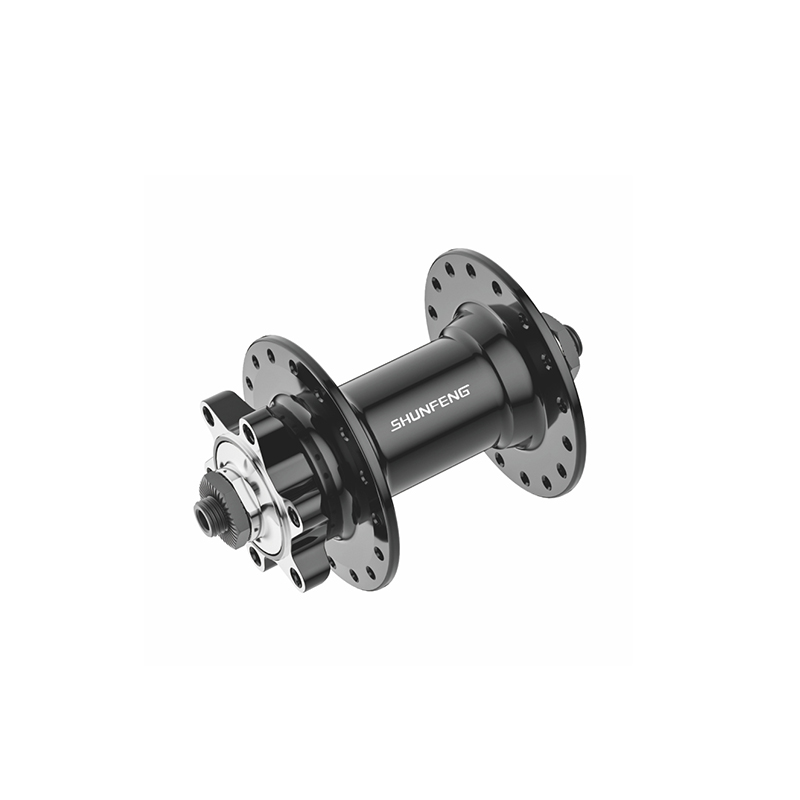
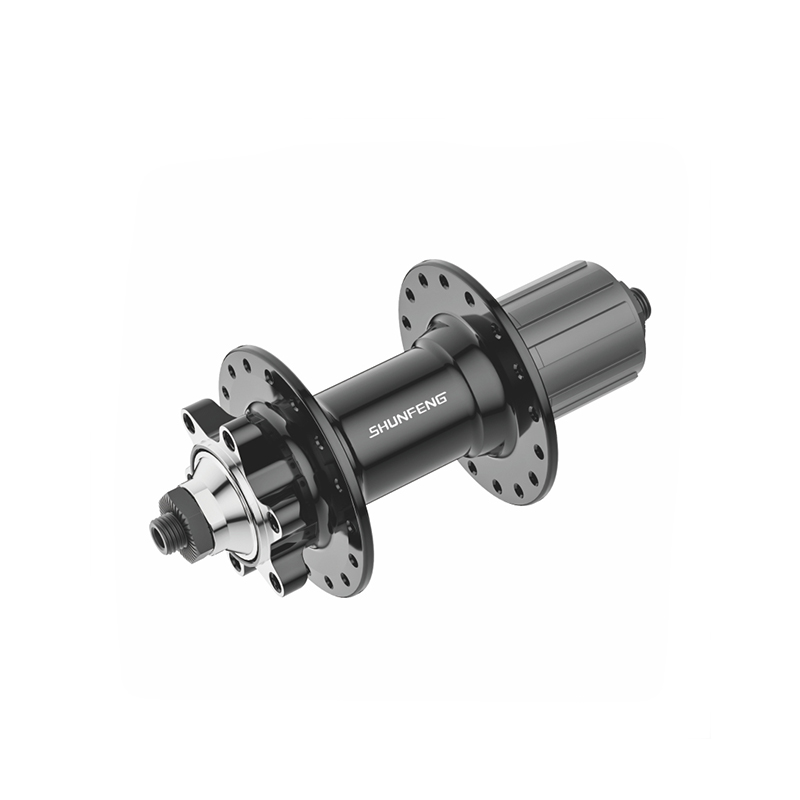
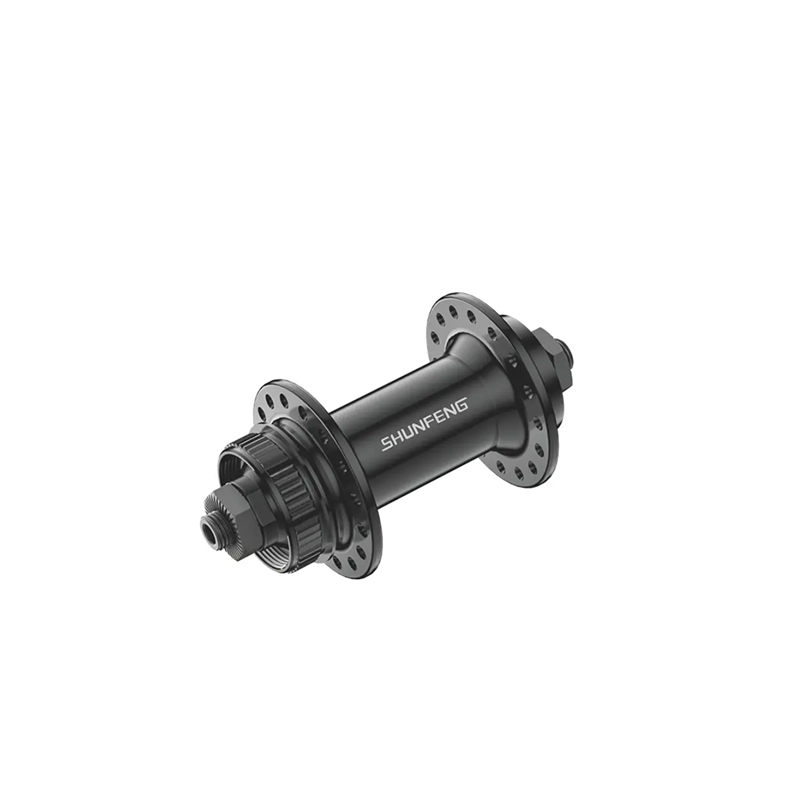
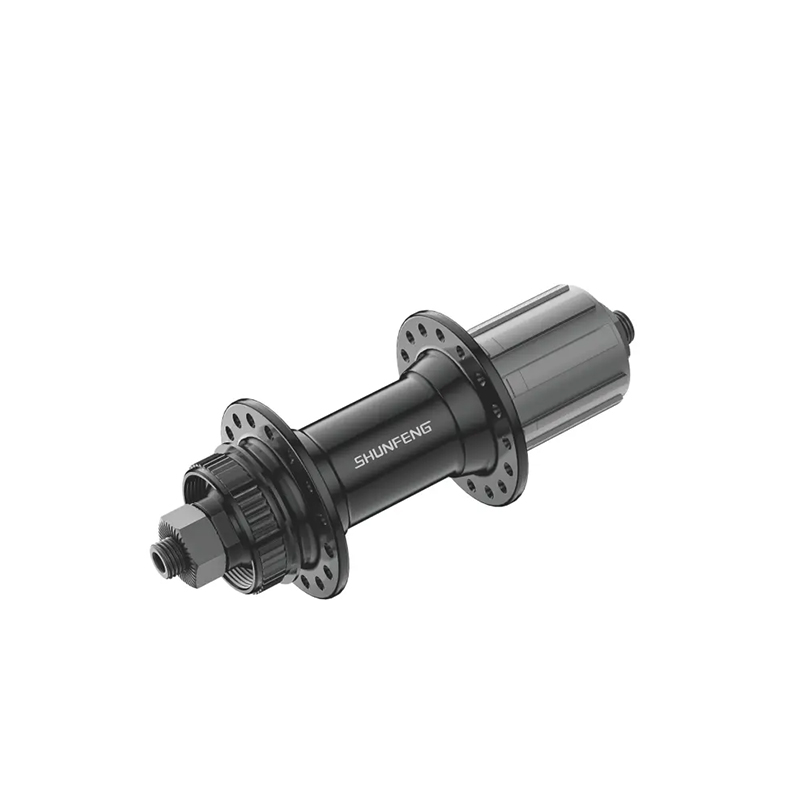
MTB Hub in the Bicycle System: Function and Structural Analysis
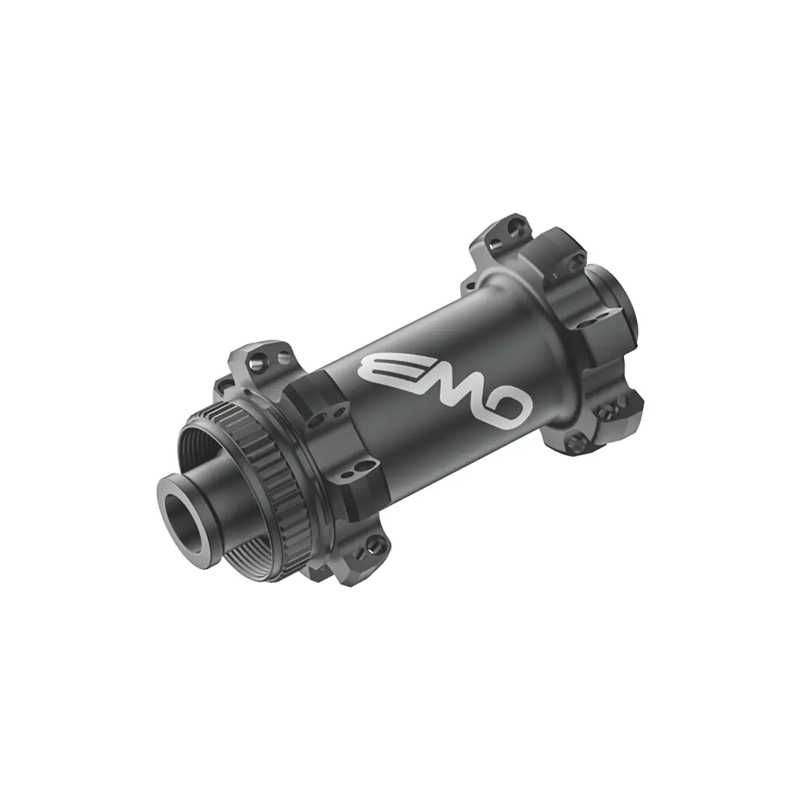
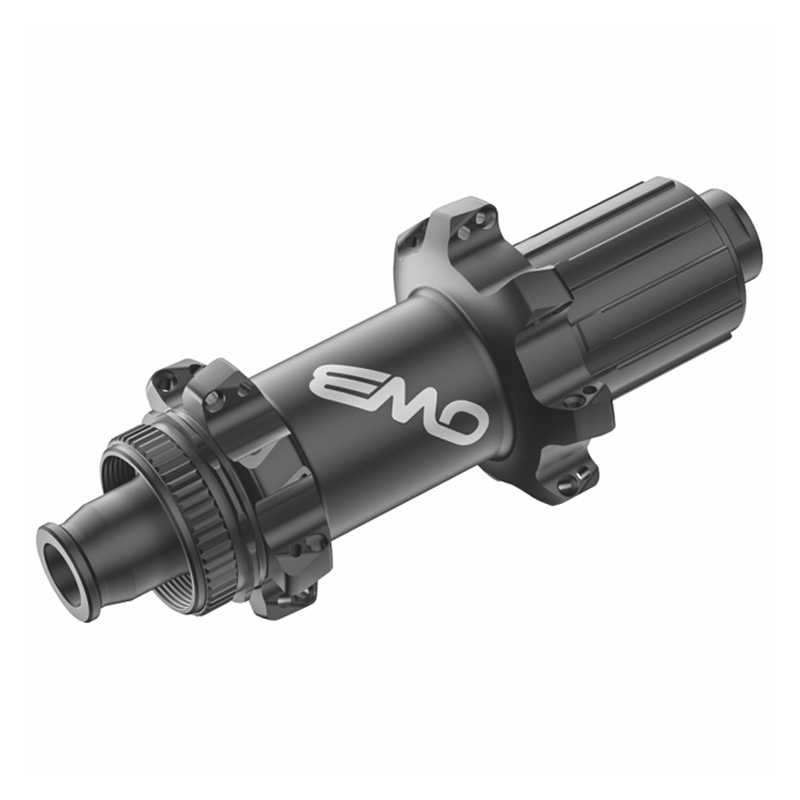
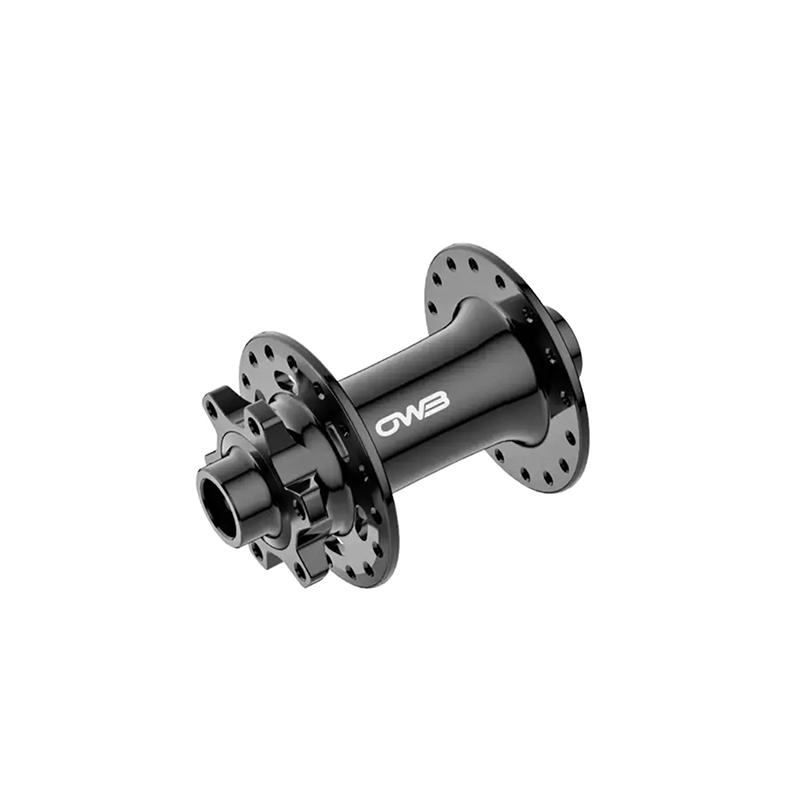
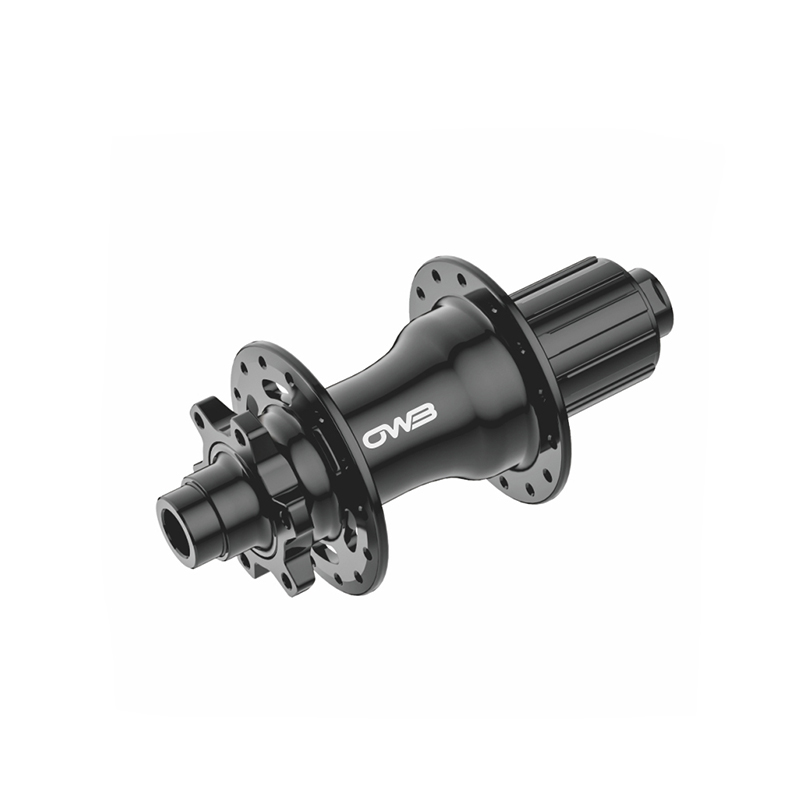
MTB Hub (mountain bike hub) is a core component that connects the bicycle wheel to the frame and plays a key role in both drivetrain and load-bearing systems. Located at the center of the wheelset, it is linked to the rim through spokes, enabling stable wheel rotation while converting pedaling force into forward motion through the drivetrain system. In mountain biking environments, where terrain is complex and impact loads are frequent, the MTB Hub not only performs basic support functions but must also maintain structural stability and rotational precision under high-stress conditions. Therefore, its design and manufacturing level directly influence overall bicycle performance.
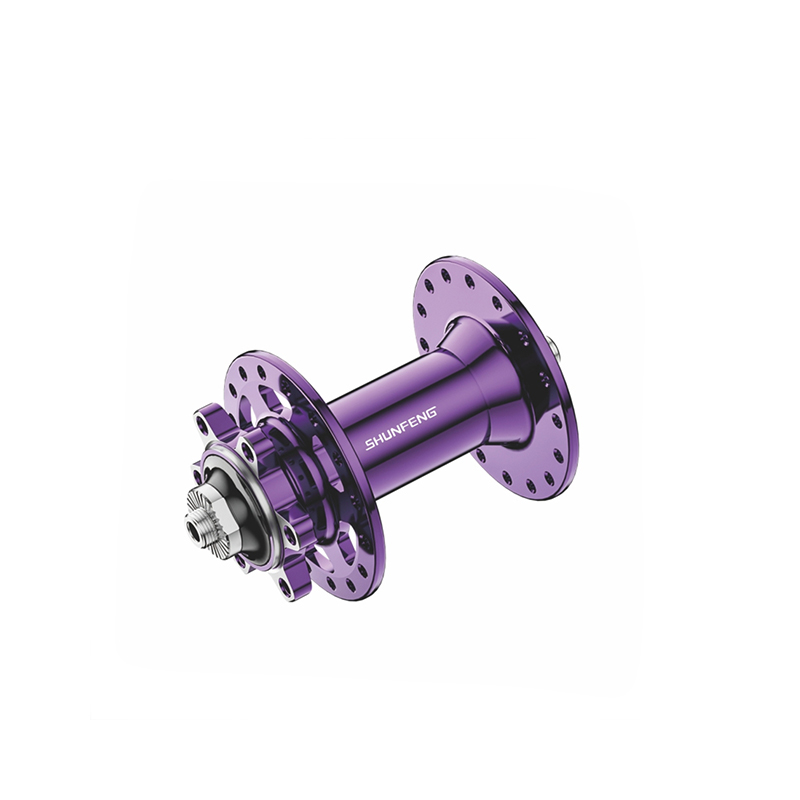
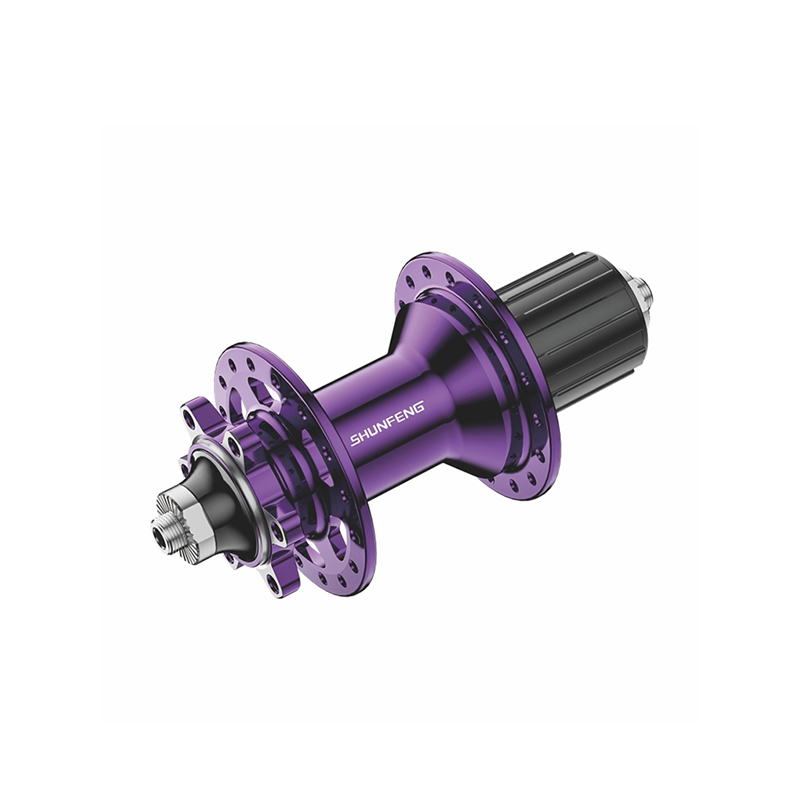
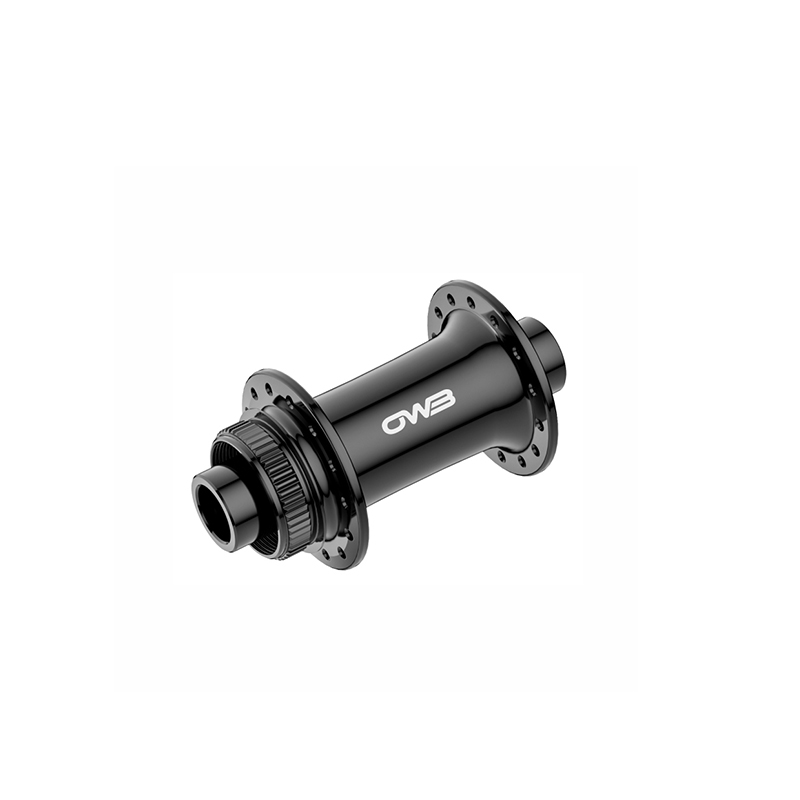
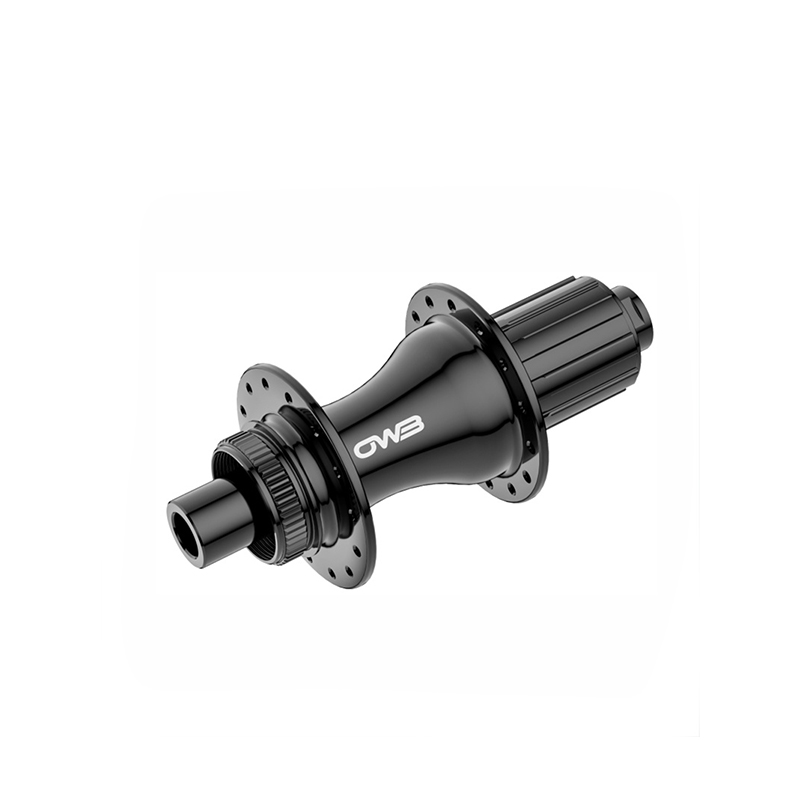
Structurally, an MTB Hub typically consists of a hub shell, axle, bearing system, ratchet mechanism, and sealing components. Different structural designs affect rolling resistance, maintenance cycles, and power transfer efficiency. High-performance hubs must balance lightweight design and high rigidity while ensuring long-term wear resistance and contamination protection. In muddy and humid mountain environments, sealing design quality significantly affects service life.
From a system perspective, the hub is not just a mechanical connector but a key node in the power transmission chain. Wheel smoothness, acceleration response, and downhill stability are all influenced by internal hub precision. Therefore, in high-end mountain bike design, Custom MTB Hub Suppliers and Custom MTB Hub Manufacturers often optimize hub structures according to different riding scenarios such as XC, Trail, Enduro, and Downhill.
Material selection is also critical. High-strength aluminum alloys, stainless steel, and composite materials are widely used to balance weight and durability. Bearing systems directly affect riding experience; sealed deep groove ball bearings or industrial-grade precision bearings reduce friction and extend service life, ensuring stable performance during long rides.
Development and Mass Production Collaboration System of Custom MTB Hub Suppliers and Manufacturers
In the global bicycle industry chain, Custom MTB Hub Suppliers and Custom MTB Hub Manufacturers form an integrated collaboration system from design to delivery, where factories serve as the core manufacturing base responsible for prototyping and mass production. Under the widespread adoption of OEM and ODM models, efficiency between development and production has become a key indicator of manufacturing capability.
A typical development-to-production workflow begins with manufacturability evaluation. During the conceptual stage, manufacturers and suppliers jointly assess structural feasibility, analyzing whether the design can be realized under actual machining conditions. This stage involves material compatibility, machining accuracy, heat treatment processes, and assembly structure considerations.
Sample development follows, where prototypes are produced under near-mass-production conditions rather than as purely experimental samples. Factories follow standardized production workflows to manufacture initial samples while simultaneously verifying mechanical performance and assembly consistency to ensure no deviation in mass production.
In the specification locking stage, Custom MTB Hub Manufacturers collaborate with brand owners and supply chain teams to confirm technical parameters such as dimensional tolerances, bearing specifications, sealing structures, and surface treatment processes. Once finalized, production strictly follows locked specifications to minimize batch variation.
Batch production focuses on process consistency control. Through standardized tooling and process management systems, factories ensure consistent machining precision and performance across all batches. This relies not only on equipment capability but also on supply chain coordination and quality inspection systems.
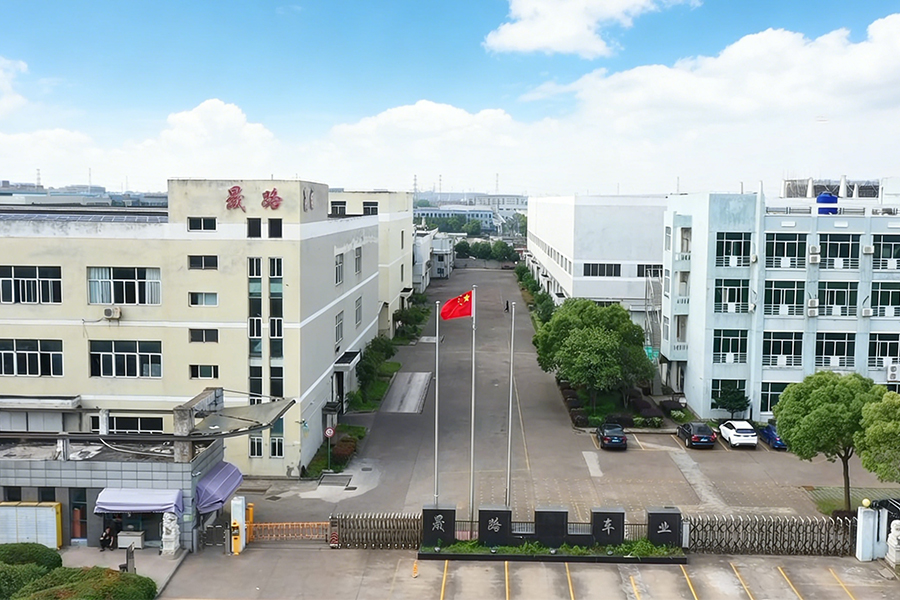
Ningbo Shenglu Bicycle Co., Ltd. :contentReference[oaicite:0]{index=0} is a typical manufacturing enterprise involved in MTB Hub development and production. It integrates supplier resources and internal factory capabilities to support OEM and ODM projects, enabling customized requirements to be realized within a controllable mass production system.
| Stage |
Main Objective |
Participants |
Key Control Focus |
| Engineering Feasibility Review |
Confirm manufacturability |
Suppliers, Manufacturers, Factories |
Material compatibility and structural feasibility |
| Sample Development |
Create near-production samples |
Custom MTB Hub Manufacturers |
Process consistency and performance validation |
| Specification Lock |
Finalize technical parameters |
Brand owners and factories |
Dimensions, tolerances, structural definition |
| Mass Production |
Stable product delivery |
Factory system |
Batch consistency and quality stability |
In this collaboration system, suppliers provide raw materials and component support while also contributing to early-stage design feedback. Manufacturers act as the technical transformation layer, converting design concepts into executable production processes. Factories are responsible for final large-scale output and ensuring consistency through quality control systems.
Manufacturing Processes, Quality Control, and Application Expansion of Custom MTB Hubs
The manufacturing of customized MTB Hubs involves multiple precision processes. From raw machining to final assembly, every step directly affects final performance. During CNC machining, the hub body undergoes high-precision turning and milling to ensure concentricity between bearing seats and mounting interfaces. Even minor deviations may cause vibration or energy loss during riding.
Heat treatment processes significantly improve material properties by controlling heating and cooling cycles, enhancing fatigue resistance and ensuring stability under long-term load conditions. Surface treatment processes such as anodizing and hard coating improve corrosion resistance and appearance quality, which is especially important in mountain environments.
During assembly, bearing installation precision determines rotational smoothness. High-end Custom MTB Hub Suppliers often use clean or low-contamination environments to prevent particles from entering bearing systems. Sealing installation quality directly affects dustproof and waterproof performance.
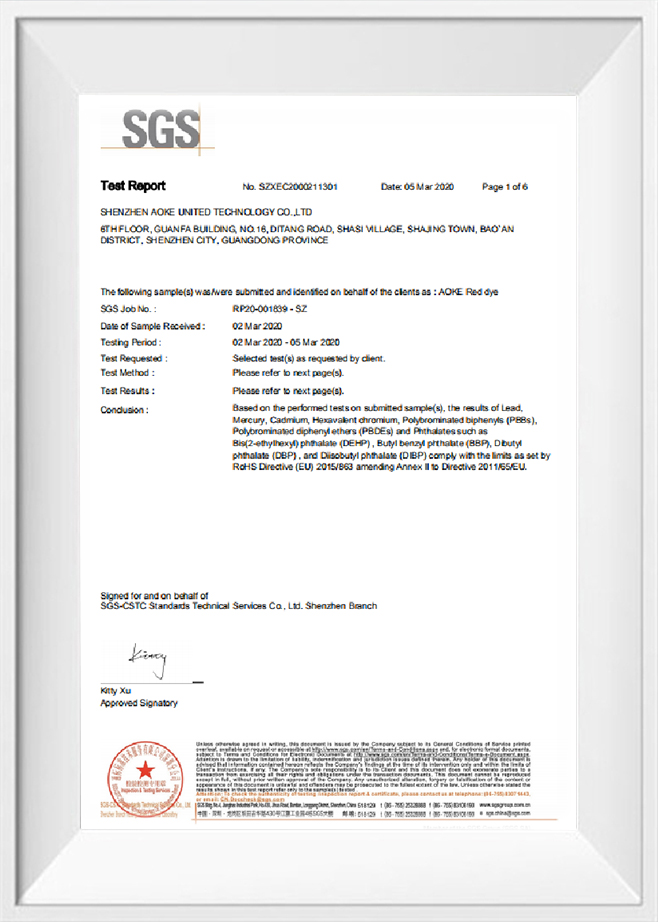
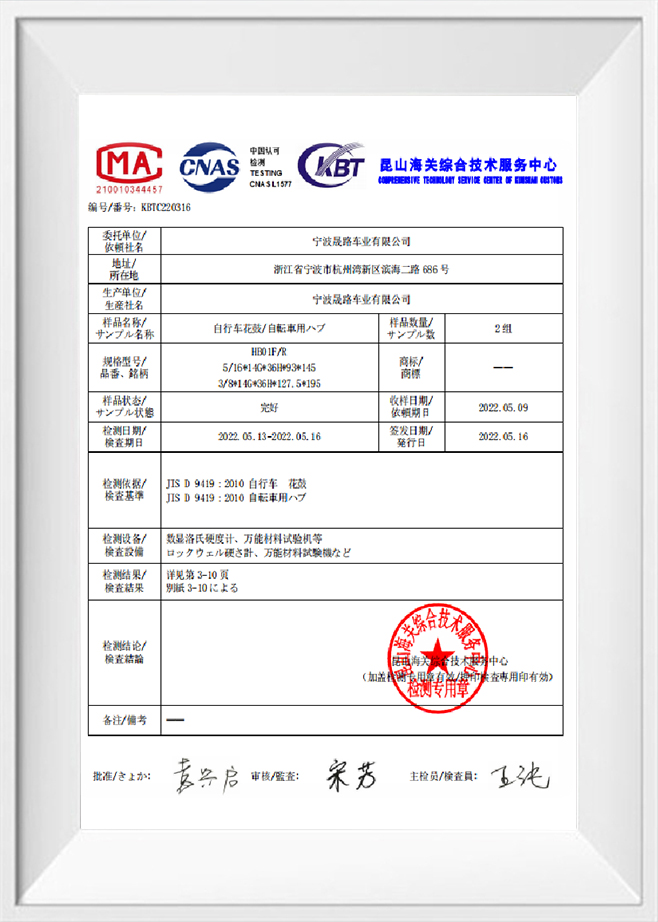
Quality control runs through the entire manufacturing chain, from incoming material inspection to final product testing. Multi-dimensional inspections include dimensional measurement, rotational resistance testing, and fatigue life testing. This systematic approach reduces batch variation and ensures stable performance across different environments.
In terms of applications, custom MTB Hubs are not limited to professional racing but also widely used in off-road cycling, urban commuting, and long-distance touring. Different applications demand different performance priorities, such as lightweight efficiency for racing or durability for long-term use.
With the diversification of the global cycling market, Custom MTB Hub Manufacturers continue to upgrade product structures and manufacturing processes to meet broader application needs. Collaboration among suppliers, manufacturers, and factories is increasingly integrated, enhancing both customization capability and mass production efficiency.
FAQ
Q1: What aspects of riding performance are affected by MTB Hub?
MTB Hub affects wheel smoothness, power transmission efficiency, and overall riding stability, especially under complex terrain conditions.
Q2: What roles do Custom MTB Hub Suppliers and Manufacturers play?
Suppliers provide materials and components, manufacturers handle design and process transformation, and factories execute mass production and quality control.
Q3: What is the difference between OEM and ODM in MTB Hub development?
OEM is based on customer-provided designs for production, while ODM involves manufacturers participating in design and providing complete solutions.
Q4: Why must sample development be close to mass production conditions?
Because only samples made under near-production conditions can accurately reflect performance consistency in mass production.
Q5: How does MTB Hub ensure durability in harsh mountain environments?
Through precision machining, high-quality materials, and optimized sealing and bearing systems, ensuring impact resistance, dustproofing, waterproofing, and long service life.



 English
  русский
  Français
  Español
  Português
  عربى
عربى