Custom E-bike Hub Suppliers and Custom E-bike Hub Manufacturers Industry Perspective on E-bike Hub Technology and Applications
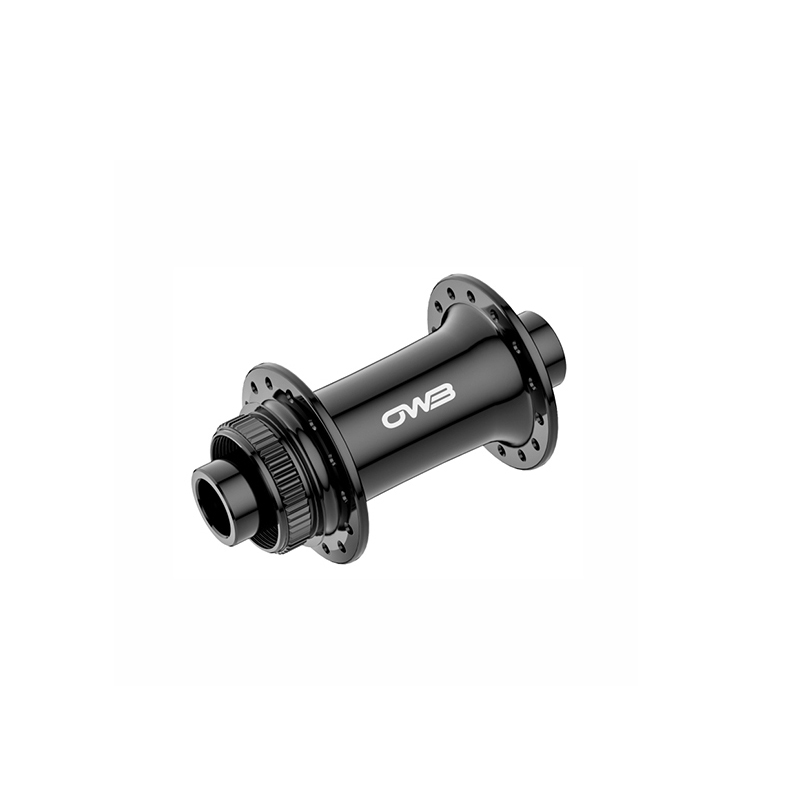
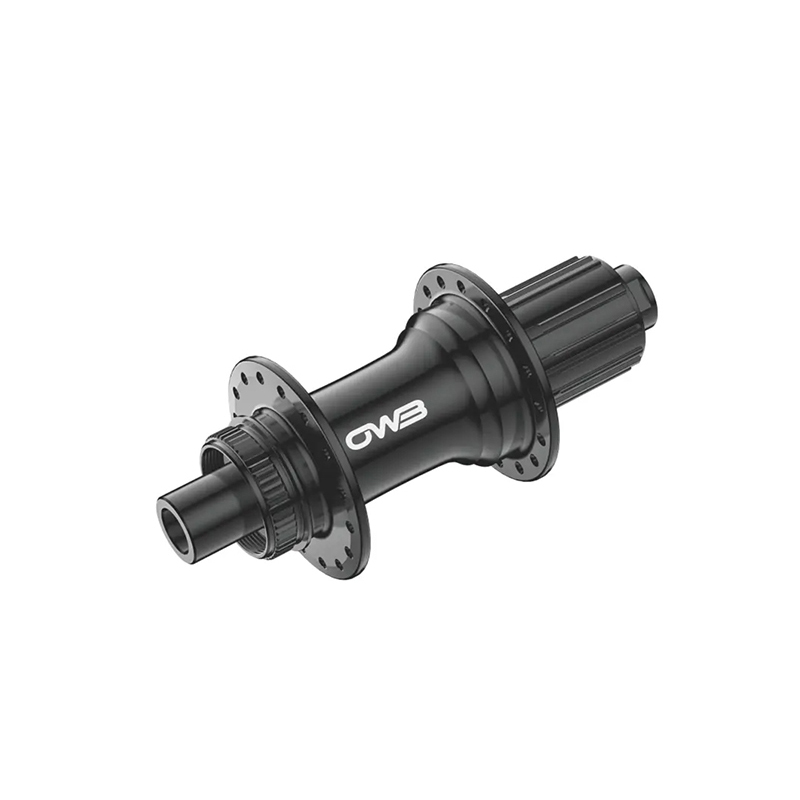
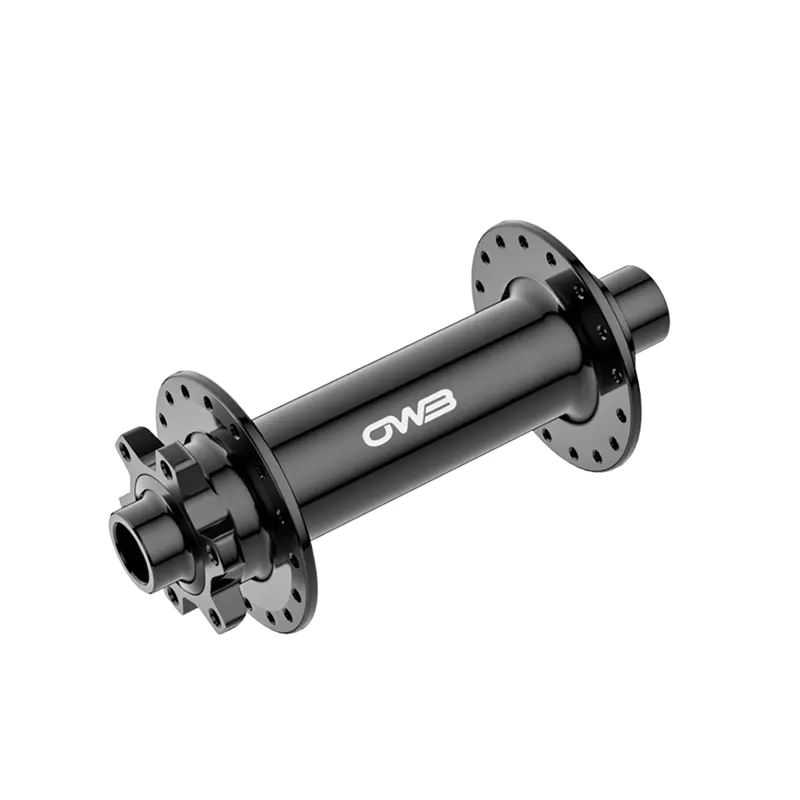
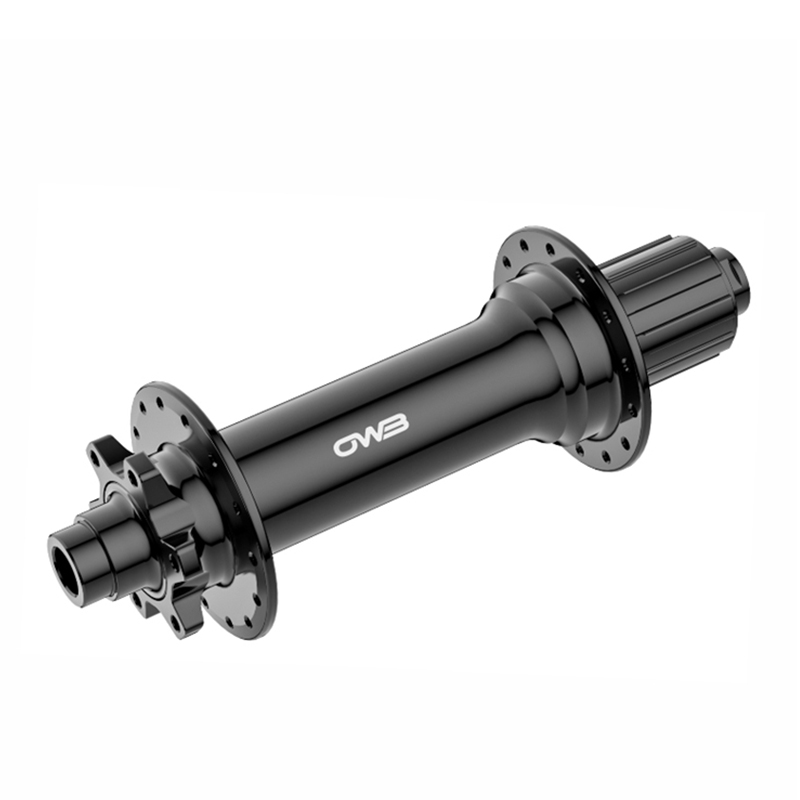
In the electric bicycle industry chain, the E-bike Hub is one of the core components of the drivetrain system, playing a critical role in power transmission efficiency and riding stability. E-bike hubs are key components of the electric bicycle drivetrain system, primarily responsible for supporting the wheel, transmitting power, and enabling efficient rotation. With increasing torque output from electric assist systems and continuous improvements in control precision, Custom E-bike Hub Suppliers and Custom E-bike Hub Manufacturers have shifted from simple component supply to system-level engineering collaboration.
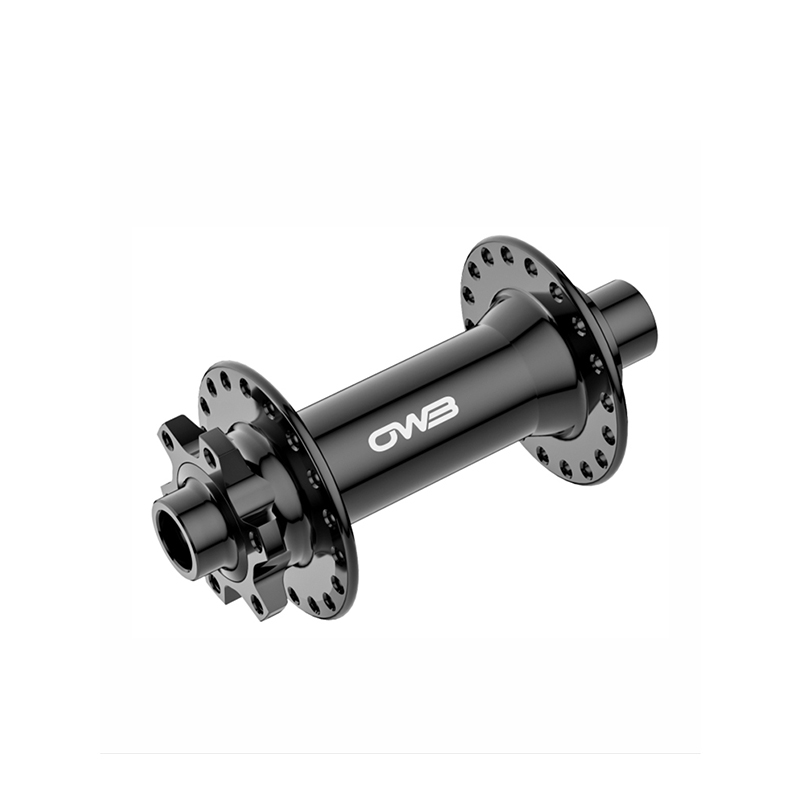
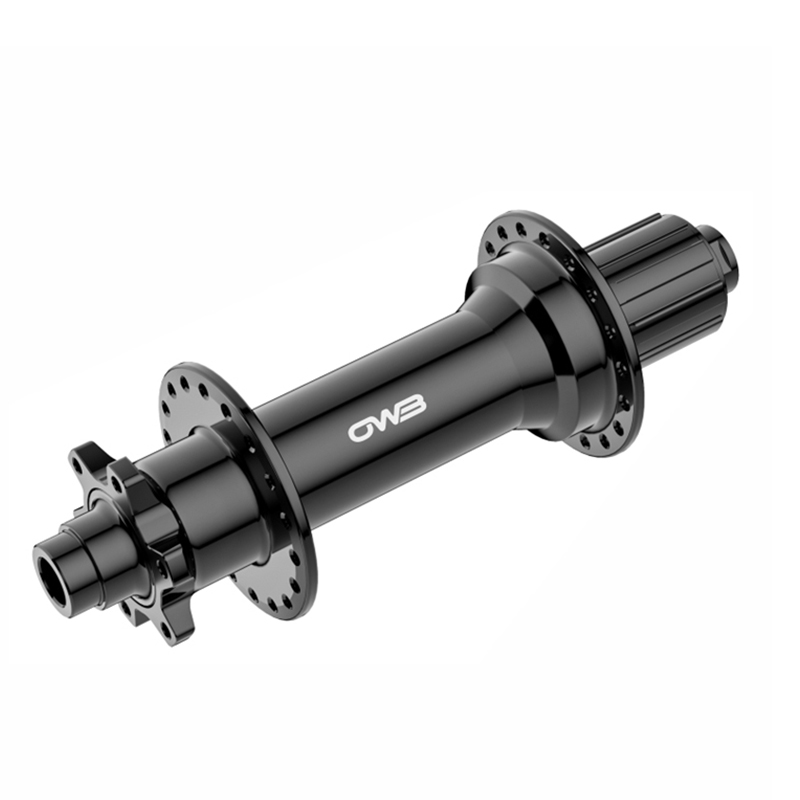
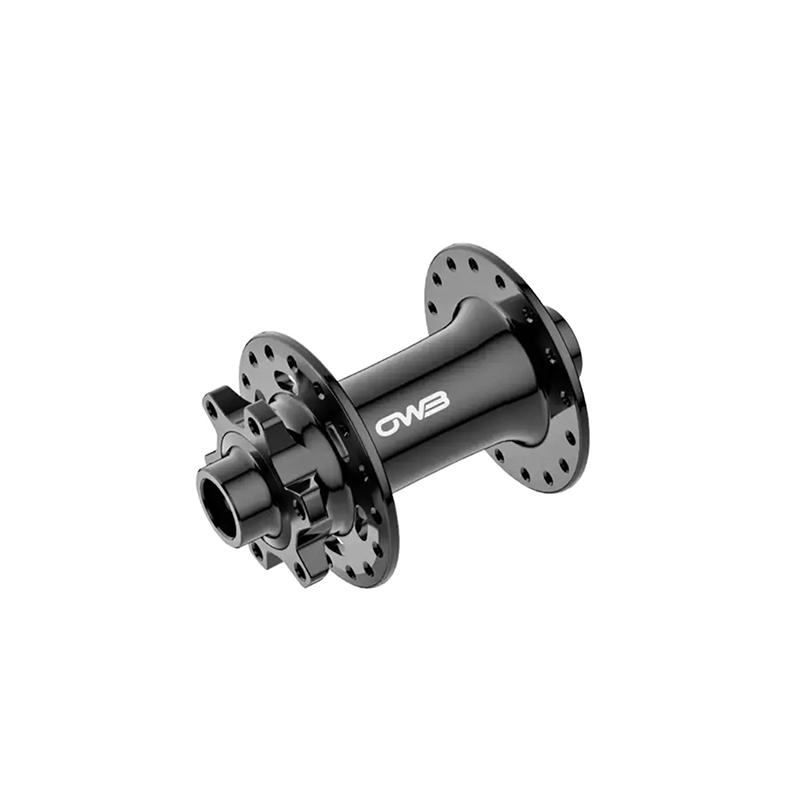
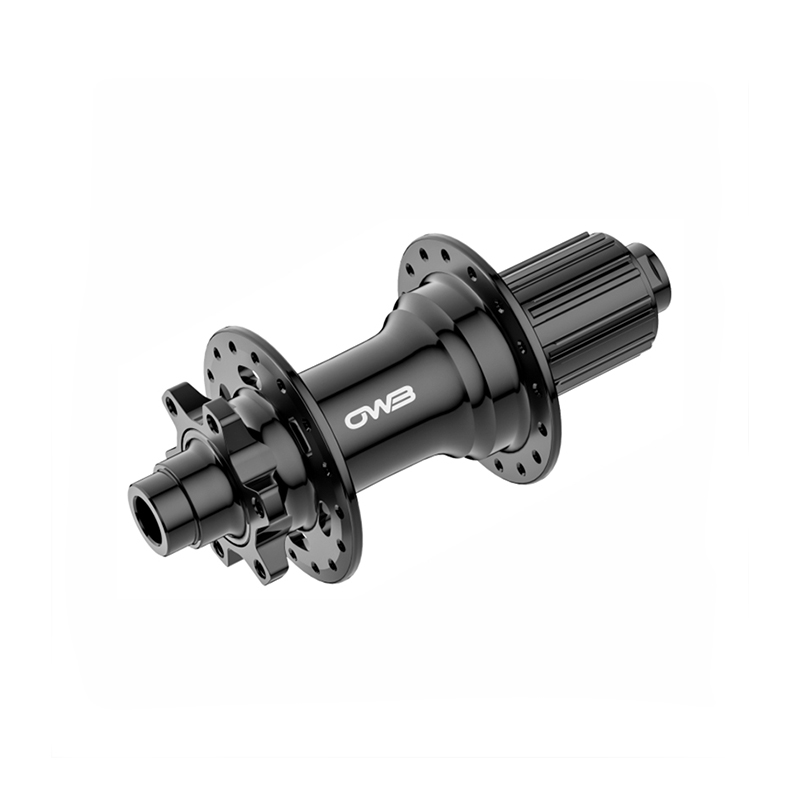
In modern e-bike applications, E-bike Hub designs commonly adopt a through-axle structure combined with a dual-cartridge bearing system. This configuration enhances structural rigidity, reduces rolling resistance, and ensures stable operation under high-torque conditions. It allows motor power to be transferred more smoothly to the wheel, improving overall riding efficiency and energy utilization.
Within the evolving industrial division of labor, the boundaries between suppliers and manufacturers are increasingly integrated. Custom E-bike Hub Suppliers are no longer limited to standardized part delivery; they now participate in structural optimization and performance matching with OEM brands. Meanwhile, Custom E-bike Hub Manufacturers focus more on precision machining, material engineering, and process control, forming a complete production ecosystem from design to mass manufacturing.
Manufacturing System and Factory Capability of Custom E-bike Hub Manufacturers
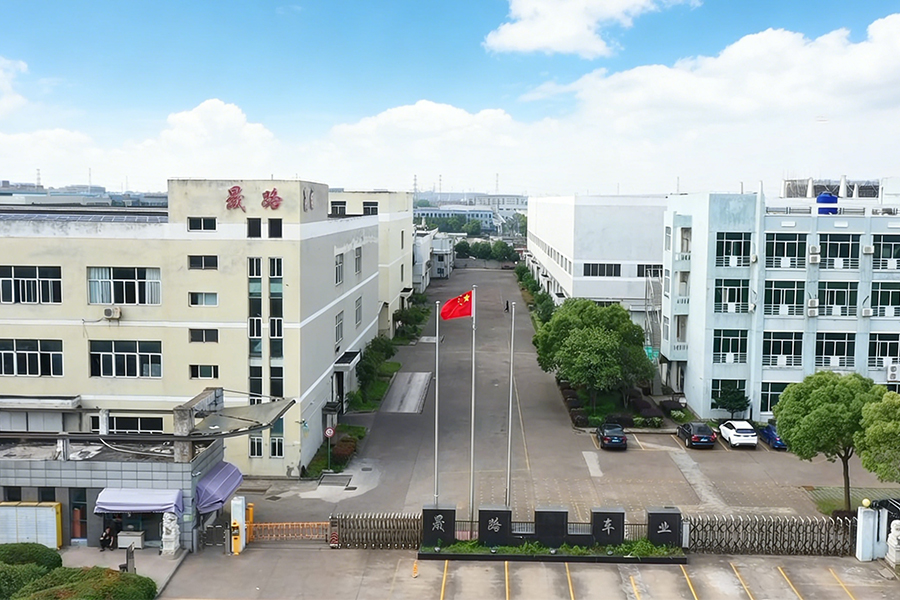
The manufacturing capability of an E-bike Hub factory directly determines product performance and durability. Representative manufacturing enterprises with OEM and ODM capabilities, such as Ningbo Shenglu Bicycle Co., Ltd., provide full-process development from structural design and material selection to mass production.
In manufacturing facilities, high-precision CNC machining centers and automated assembly lines are widely used to ensure concentricity and structural accuracy of hub components such as axles, flanges, and ratchet systems. Since e-bike systems operate under high and continuous torque loads, materials are typically high-strength aluminum alloys or heat-treated stainless steel, combined with surface hardening processes to improve wear resistance.
Custom E-bike Hub Manufacturers place strong emphasis on bearing alignment precision and sealing system design. Dual bearing configurations reduce friction loss while improving resistance to dust, water, and debris. This is particularly important for long-distance riding and complex environmental conditions, where sealing performance directly impacts service life and maintenance intervals.
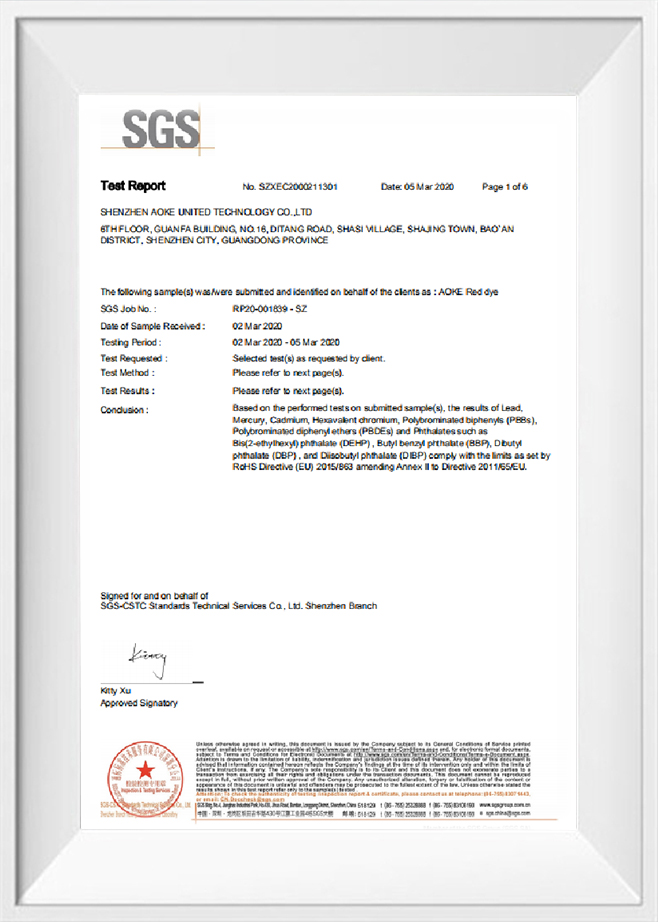
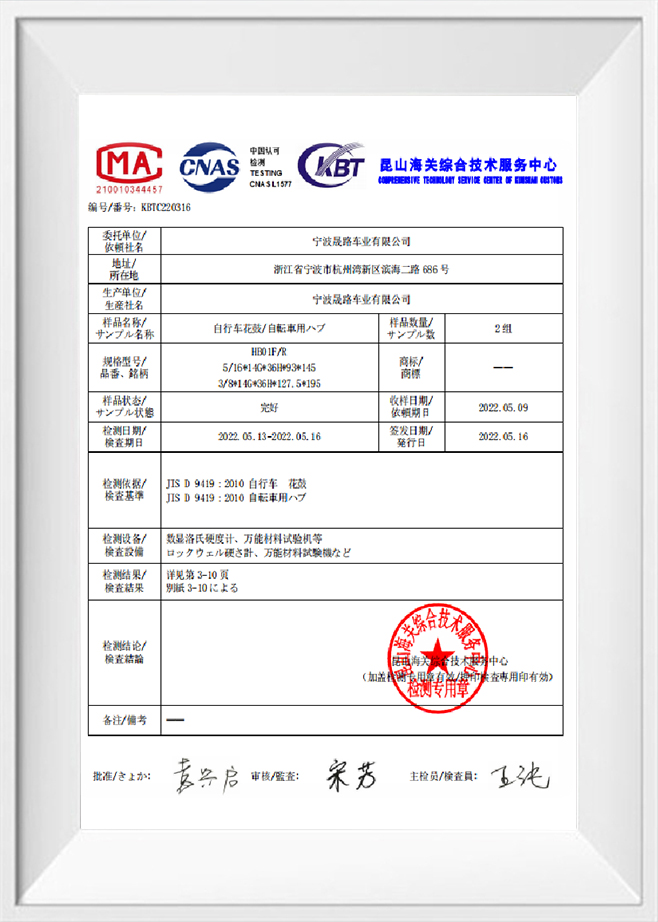
In OEM and ODM production models, factories not only execute production tasks but also collaborate with Custom E-bike Hub Suppliers in joint development. This ensures compatibility with different motor systems, frame geometries, and riding performance requirements. Many factories also operate testing laboratories for torque fatigue testing, axial load testing, and high-speed rotational stability validation to ensure product reliability under electric assist conditions.
From a supply chain perspective, Custom E-bike Hub Manufacturers maintain close cooperation with upstream material suppliers, bearing producers, and bicycle OEM brands, forming an integrated industrial network that balances performance, cost, and delivery efficiency.
OEM and ODM Cooperation Model of Custom E-bike Hub Suppliers
With the rapid growth of the global e-bike market, Custom E-bike Hub Suppliers are evolving into solution-oriented engineering partners rather than traditional component vendors. As E-bike Hub design must match both motor output characteristics and frame structure, supplier engineering capability has become increasingly important.
Within OEM and ODM cooperation frameworks, suppliers provide customization services including axle specification adjustment, flange design optimization, and freehub interface adaptation. This level of flexibility allows bicycle brands to maintain unified drivetrain platforms while differentiating product positioning across multiple models.
In cooperative supply chains, suppliers and manufacturers work closely throughout the product definition stage. Custom E-bike Hub Suppliers collaborate with factories to evaluate manufacturability, optimize cost structure, and ensure stable mass production capability from the early design phase.
Ningbo Shenglu Bicycle Co., Ltd. is an example of a company that focuses on long-term OEM and ODM partnerships. Its cooperation model emphasizes stable production cycles and continuous product optimization rather than one-time project execution. This approach ensures consistent performance across different markets and improves delivery reliability for global brands.
From a logistics and supply chain management perspective, Custom E-bike Hub Suppliers must coordinate with warehousing systems and international distribution channels to respond efficiently to regional demand fluctuations. In the high-end e-bike segment, delivery stability and product consistency have become key selection criteria for brand partners.
Get In Touch and Who We Work Best With Cooperation Model and Factory Advantages
In the E-bike Hub industry cooperation system, “Get In Touch” represents more than a contact channel; it is the starting point for deep technical collaboration between Custom E-bike Hub Suppliers, manufacturers, and OEM brands. Selecting the right supply partner requires evaluation of engineering capability, production stability, and long-term delivery assurance.
Ningbo Shenglu Bicycle Co., Ltd. focuses on long-term cooperation with brands that require stable and repeatable production systems. The “Who We Work Best With” model is built around continuous production demand, fixed product platforms, and long-term market strategies.
During collaboration, Custom E-bike Hub Manufacturers and bicycle brands often form deep technical integration relationships. Factories are not only responsible for production execution but also participate in lifecycle management, including structural upgrades, material improvements, and process optimization.
For OEM clients, stable delivery cycles are a critical factor in supplier selection. Through standardized production processes combined with flexible manufacturing systems, factories can switch between different E-bike Hub specifications efficiently while maintaining consistency and quality.
In long-term cooperation systems, supplier-manufacturer relationships extend beyond transactional exchange and evolve into technology co-development partnerships. Continuous improvements in design and manufacturing processes enable E-bike Hubs to adapt to diverse applications such as urban commuting, mountain biking, and high-performance electric cycling.
Modern E-bike Hub manufacturing systems have evolved into integrated platforms combining design, testing, production, and validation. This transformation enables manufacturers to respond more effectively to market changes while providing competitive solutions to global bicycle brands.
FAQ
Q1: What is the main function of an E-bike Hub in electric bicycles?
The E-bike Hub supports the wheel and transmits motor torque to the drivetrain system, directly affecting riding stability, acceleration performance, and energy efficiency.
Q2: What is the difference between Custom E-bike Hub Suppliers and Manufacturers?
Suppliers focus on customization, system integration, and design adaptation, while manufacturers are responsible for precision machining, mass production, and process control.
Q3: Why do E-bike Hubs commonly use through-axle structures?
Through-axle structures improve frame rigidity, enhance torque resistance, and maintain wheel alignment under high-load electric assist conditions.
Q4: What is the significance of OEM and ODM models in E-bike Hub production?
OEM and ODM models enable brands to accelerate product development while leveraging factory engineering and manufacturing capabilities for consistent and scalable production.
Q5: What factors are most important when selecting an E-bike Hub factory?
Key factors include manufacturing stability, precision machining capability, material engineering quality, bearing system reliability, and long-term supply assurance.



 English
  русский
  Français
  Español
  Português
  عربى
عربى