MTB Wheelset in the Structural Value and Performance Positioning of Modern Mountain Biking Systems
MTB Wheelset, as a core component of mountain bicycle power transmission and terrain adaptability, directly determines the overall performance of the bicycle under complex riding conditions. In off-road cycling, forest trail riding, gravel slopes, and mixed environments involving continuous climbing and long downhill sections, the wheelset not only serves the basic function of supporting the rider and bicycle weight but also influences handling feedback and energy transmission efficiency through rim stiffness, hub smoothness, and spoke tension distribution.
In the current mainstream mountain bike configuration system, the 29-inch aluminum alloy MTB Wheelset has gradually become a balanced solution between comprehensive performance and cost control. The larger wheel diameter provides improved rolling continuity when overcoming obstacles, allowing riders to maintain speed more effectively when encountering stepped rocky terrain or interwoven tree roots, while enhancing the vehicle’s trajectory stability. Aluminum alloy materials provide an engineering balance among stiffness, weight, and manufacturing cost, making them widely applicable from entry-level to mid-to-high-end mountain bike markets.
In Custom MTB Wheelset Suppliers solutions, wheelset structures are no longer standardized components but engineering systems matched according to riding purpose, terrain characteristics, and overall bicycle design goals. In XC racing scenarios, the focus is placed on lightweight design and acceleration response, while in AM or Enduro applications, greater attention is given to impact resistance and long-term structural stability. These differences are reflected in rim wall thickness, spoke lacing patterns, and hub bearing structures.
Under the dynamic load conditions of mountain biking, MTB Wheelset must simultaneously withstand lateral impact forces, vertical impact forces, and torque transmission forces. Especially during high-speed downhill braking, the superposition of thermal loads between rim and braking systems places higher demands on material strength and structural stability. Therefore, modern wheelset designs typically adopt high-strength aluminum alloys combined with precision CNC machining and heat treatment processes to ensure structural consistency and long-term spoke tension stability.
At the system integration level, wheelsets are not only related to tire width, tire pressure systems, and suspension structure but also coupled with drivetrain efficiency output. Higher stiffness wheelsets reduce energy loss during pedaling, resulting in more direct climbing power transfer, while better spoke tension balance helps maintain trajectory stability during high-speed cornering, improving rider confidence.
Role of Custom MTB Wheelset Suppliers in Manufacturing Systems and Process Control
Within the global bicycle component industry chain, Custom MTB Wheelset Suppliers not only serve as product providers but also act as key nodes integrating design, material engineering, and manufacturing processes. As market demand for differentiated performance increases, wheelset supply systems are shifting from standardized production to highly customized and system-based development models.
On the manufacturing side, suppliers are required to possess complete metal processing capabilities and precision assembly systems to ensure high structural consistency. From aluminum alloy forging to CNC precision machining, the rim structure is formed with strict geometric accuracy requirements. Subsequent heat treatment processes enhance internal grain stability, enabling the wheelset to maintain strength under long-term load conditions.
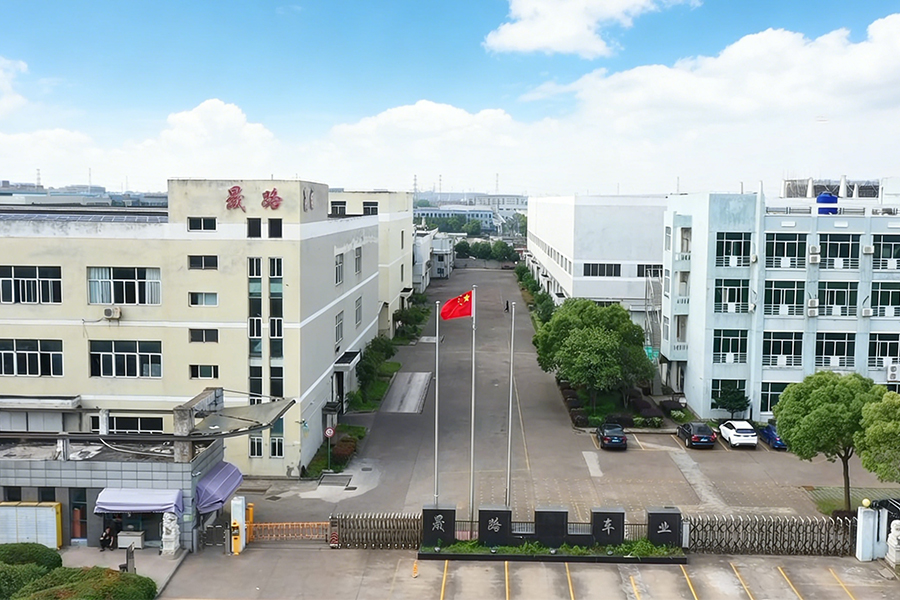
Ningbo Shenglu Bicycle Co., Ltd., as a professional manufacturing enterprise, has built a relatively complete production system in the industry. Located in Ningbo City, Zhejiang Province, China, the company was founded in 1998 and has developed a full production chain covering stamping, aluminum forging, CNC machining, cold forging, blackening and phosphating, aluminum oxidation, CP and ED coating, heat treatment, and assembly. This integrated manufacturing capability enables strong process control in MTB Wheelset and related bicycle components.
The company covers an area of 80,000 square meters and has an annual production capacity of 15 million pairs of steel hubs and 5 million freewheel units. Its core brand “SHUNFENG” has gained stable recognition in the industry. Within the supply chain system, such manufacturers not only provide standardized products but also support Custom MTB Wheelset Suppliers with foundational components, improving efficiency in customized development.
In the supply structure, manufacturers, suppliers, and factories form a closely coordinated division of roles. Factories focus on process execution and mass production, manufacturers handle system design and quality control, while suppliers connect market demand and translate riding scenario requirements into executable product solutions. This multi-layer structure enables MTB Wheelsets to adapt to diverse needs ranging from urban commuting to professional off-road racing.
Technical Structure, Application Scenarios, and Manufacturing Collaboration System of 29-inch Aluminum Alloy MTB Wheelset
The 29-inch aluminum alloy MTB Wheelset occupies a mainstream position in current mountain bike configurations, with structural advantages mainly reflected in rolling efficiency and obstacle-crossing capability. The larger wheel diameter creates a flatter contact angle with the ground, reducing speed loss when passing over rocks, roots, or irregular terrain and improving riding continuity.
The application of aluminum alloy materials in wheelset manufacturing is based on its high specific strength and favorable machining adaptability. In production, precision extrusion forming and multi-axis CNC machining ensure geometric consistency, while surface oxidation treatment enhances corrosion resistance, allowing stable performance in wet, muddy, or high-humidity environments.
In different riding scenarios, performance characteristics vary significantly. During long-distance climbing, the high stiffness structure reduces energy loss and ensures direct power transfer. In high-speed downhill environments, structural stability and thermal dissipation capability become critical factors, while in technical trail sections, impact resistance directly affects riding safety and handling confidence.
| Structural Parameter |
Standard 29-inch Aluminum Alloy MTB Wheelset |
Custom MTB Wheelset Configuration Range |
| Rim Material |
High-strength aluminum alloy |
Aluminum alloy / Carbon fiber composite structure |
| Wheel Size |
29 inches |
27.5 inches / 29 inches / Mixed configuration |
| Hub Structure |
Industrial-grade bearing system |
High-seal bearings / Lightweight racing-grade structure |
| Spoke System |
Double-cross steel spokes |
Lightweight high-tension spoke system |
| Application Scenarios |
Off-road riding / Trail / General training |
XC racing / Enduro / Downhill professional applications |
In manufacturing system coordination, MTB Wheelset production does not rely on a single process but achieves overall performance optimization through multi-process collaboration. Represented by Ningbo Shenglu Bicycle Co., Ltd., manufacturing factories integrate material processing, machining, and surface treatment within a unified production system, reducing tolerance accumulation between supply chain stages and improving overall product consistency.
In the product development logic of Custom MTB Wheelset Suppliers, wheelset design is often optimized through reverse engineering based on end-market feedback. Terrain conditions, riding habits, and racing standards across different regions influence structural adjustments, resulting in highly localized and application-specific product characteristics. In this process, data collaboration between manufacturers and factories becomes a key factor affecting performance stability.
Within mountain biking equipment systems, MTB Wheelset is not only a structural component but also a critical interface connecting power output and terrain feedback. Its manufacturing level directly reflects the engineering capability of the entire bicycle system and the maturity of the supply chain.



 English
  русский
  Français
  Español
  Português
  عربى
عربى