As a China Gravel Bike Wheelset manufacturer, we supply complete wheel programs for bike brands, OEM customers, distributors and technical buyers who need predictable performance on mixed terrain. Our wheels are built around our own hub manufacturing and an in-house process chain that extends from aluminum forging and CNC machining through surface treatment and automated assembly. The SHUNFENG hub program, combined with confirmed rim, spoke and tire specifications, gives us control over the parts of a gravel wheelset that most affect long-term reliability: bearing seats, flange geometry, engagement structure and final tension.
This category describes the range we offer in the gravel segment. It also defines the configuration data we use to prepare a proposal, so the wheelset you approve in sampling is the wheelset we can repeat in mass production.
What We Supply in the Gravel Wheelset Category
Our gravel program covers the complete wheel package and the component-level decisions that determine how it performs. As a Gravel Bike Wheelset supplier, we coordinate rim width, rim material, spoke count, lacing, nipple specification, hub engagement, axle standard and surface finish in one project. That allows us to manage compatibility issues before production instead of after delivery.
- Complete gravel wheelsets for OEM production, configured around the target frame, brake system and drivetrain.
- Wheelset programs using aluminum alloy rims for durability and cost efficiency, or customer-specified carbon rims for lower rotating weight.
- Hub systems matched to gravel loads, including disc brake compatibility, QR or thru axle spacing, and planetary gear ratchet or ratchet/pawl engagement structures.
- OEM/ODM customization for branding, finish, packaging and technical documentation.
Application and Terrain Fit
Gravel wheelsets are designed for gravel roads, dirt paths, muddy tracks and short mountain sections. They must combine lightweight structure, lateral stiffness, impact resistance and riding comfort over long distances. In our view, the right configuration is not purely a marketing question; it is a structural decision based on tire volume, rider load and intended surface.
Our starting point for a gravel wheel is internal rim width. Current gravel tires work best in the 40–45 mm range, and an internal width of 21–32 mm gives the tire a more stable support profile and predictable air pressure behavior. Tubeless-ready rim design reduces puncture risk and allows lower pressures without sacrificing cornering stability. We use these parameters to define the rim and tire pairing, then check spoke tension and hub flange position against the resulting lateral load.
| Configuration area |
Typical gravel program scope |
Why it matters |
| Rim internal width |
21–32 mm |
Supports 40–45 mm tubeless tires; improves grip, pressure adaptability and stability on mixed surfaces. |
| Rim material |
Aluminum alloy or customer-specified carbon fiber |
Aluminum targets durability and cost efficiency; carbon targets lower weight and faster dynamic response. |
| Hub system |
Disc brake compatible; QR or thru axle; planetary gear ratchet or ratchet/pawl engagement |
Determines frame fit, rotor interface and long-term engagement consistency under load. |
| Spoke plan |
Hole count and flange geometry matched to lacing pattern |
Balances lateral stiffness, vertical compliance and tension distribution over rough terrain. |
Materials, Rim Geometry and Tire Compatibility
Aluminum alloy remains the most practical material for gravel programs where durability and cost need to be controlled. Carbon fiber is selected when the target weight and dynamic response justify the higher program cost. Both options are reviewed in the configuration table above; the decision depends on rider weight, terrain severity, distribution channel and price target.
Rim geometry matters as much as material. A wider internal rim changes tire shape, support and pressure adaptability. The rim profile also affects how impact loads are distributed across the spoke bed. In every program, we match the rim profile to the tire size and use confirmed dimensions, not nominal values, when preparing the wheel specification.
Hub and Drivetrain Integration
Our manufacturing strength sits in the hub. We produce hub shells through aluminum forging and CNC machining, apply heat treatment where needed, and automate hub assembly to keep bearing preload and seal fit consistent across batches. For gravel, the hub must survive repeated impacts while maintaining smooth engagement under continuous pedaling.
- Engagement structure: planetary gear ratchet systems and conventional ratchet/pawl designs are reviewed against rider power and terrain demands.
- Axle standard: QR and thru axle configurations are aligned to frame dropouts and spacing.
- Disc brake interface: hub design is matched to the rotor standard and brake forces expected on rough surfaces.
- Bearing specification: bearing position and size are confirmed based on radial and axial loads.
Manufacturing, Automation and Batch Consistency
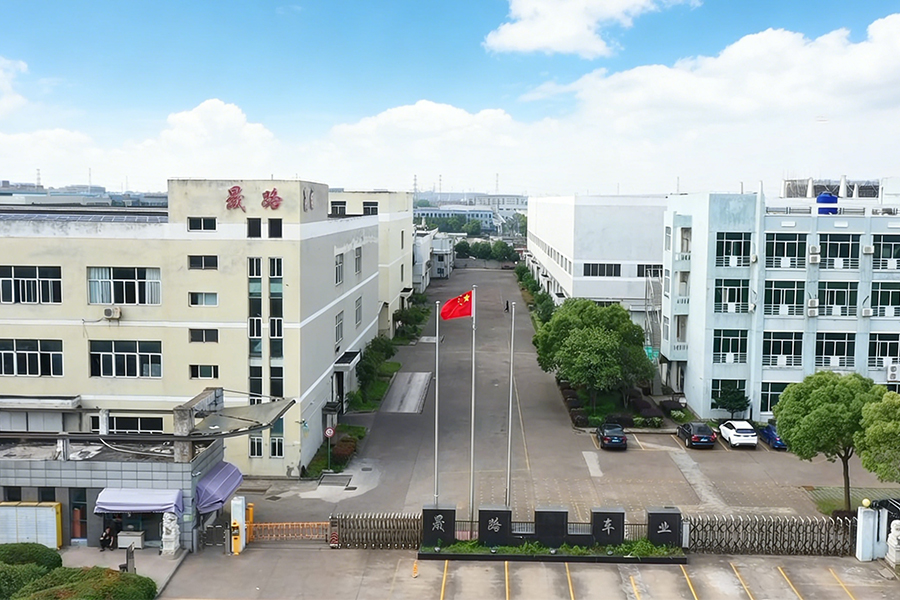
We operate an 80,000-square-meter manufacturing base in Ningbo City, Zhejiang Province, China. Our factories perform punching, aluminum forging, CNC machining, cold forging, blackening and phosphating, aluminum oxidation, CP and ED plating, heat treatment and assembly. Keeping these processes in-house reduces external variation and allows our engineering and quality teams to respond to issues at the source.
Automation has been completed for punching, CNC machining, hub assembly and freewheel assembly. For wheelset programs, we apply the same logic: use automated and machine-controlled processes where they improve consistency, and maintain engineering oversight for final truing, tension inspection and functional verification. Quality checkpoints include rim roundness, hub concentricity and spoke tension distribution, so deviations are detected during production rather than after shipment.
Customization and OEM/ODM Project Flow
We support customization that can be scaled in production. Structural changes such as hub body dimensions, axle standards and spacing, hole count, flange geometry and bearing configuration are reviewed for compatibility with our in-house machining and automated assembly processes. Material and surface options include aluminum alloy selection, anodizing, electrophoresis and plating. Branding can include laser marking, private label and custom packaging.
OEM/ODM development path
- Manufacturing feasibility review before sampling
- Sample development aligned with mass production conditions
- Specification lock before scaling
- Batch production with process consistency verification
Within the full Wheelset range, gravel sits between our Road Bike Wheelset and MTB Wheelset programs. The same hub and process platform supports all three, which helps us transfer proven structures across programs while keeping each wheel specific to its application.
Quality Inspection, Acceptance and Warranty
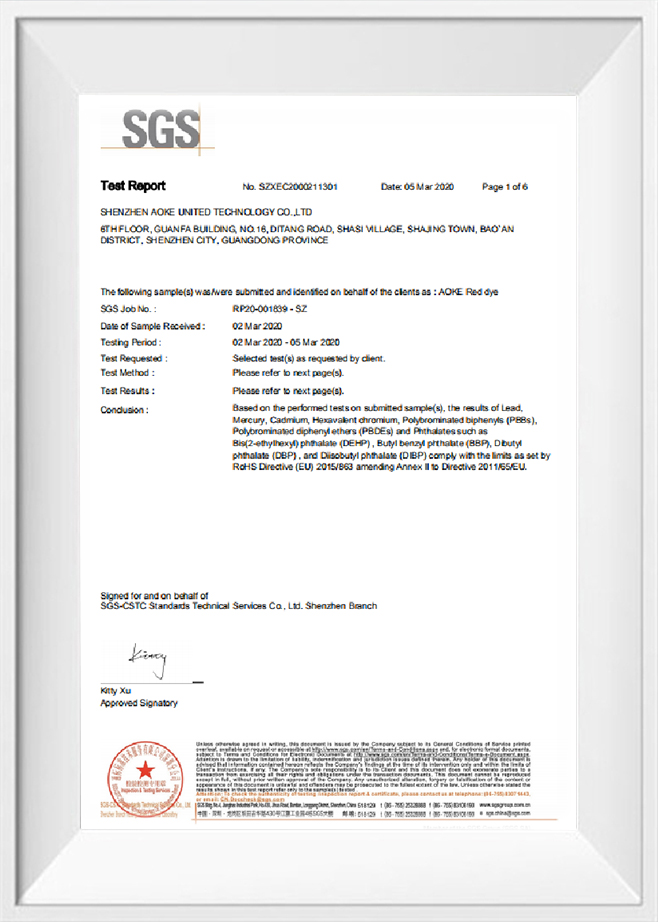
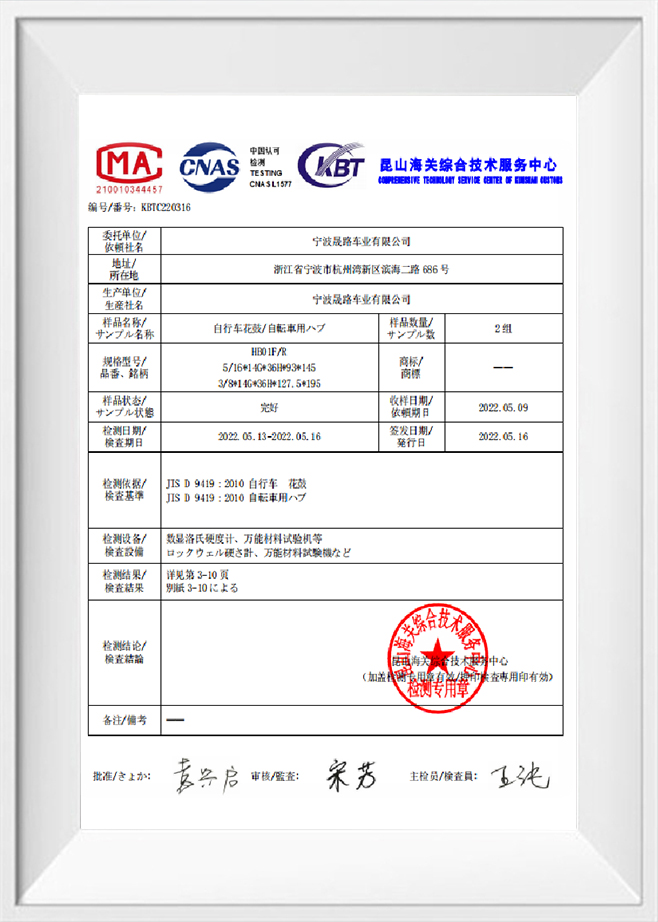
Quality is not limited to final inspection. Our quality management covers raw material preparation, processing, surface treatment, assembly and final inspection, with the goal of reducing batch variation through process control. Depending on the program, inspection and verification can include dimensional and assembly accuracy, functional performance verification, structural load and durability evaluation, and surface treatment consistency or corrosion resistance testing.
Approved samples are treated as a production reference, not an isolated prototype. We maintain repeatability by locking process parameters between sample approval and mass production, supported by inspection checkpoints and batch traceability. The standard warranty period is 2 years, covering quality issues caused by manufacturing or material defects under normal usage. Warranty handling follows problem confirmation, technical evaluation based on production data, and correction or replacement according to liability attribution.
Information We Use to Configure Your Solution
To prepare a configuration and quotation, send us the following project data. We use this information to lock the specification before sampling and avoid re-engineering later in the program.
- Intended use and terrain mix, target rider/bike load and expected annual volume
- Frame dropout standard, front/rear spacing and axle type (QR or thru axle)
- Brake system type and rotor interface
- Drivetrain speed and freehub/cassette standard
- Desired rim material, internal width, tire size and tubeless requirement
- Spoke count, spoke type, lacing pattern and nipple specification
- Finish, color, branding and packaging requirements
- Target wheel weight, delivery schedule and quality documentation needs
Frequently Asked Questions
What terrain are gravel bike wheelsets suitable for?
Gravel wheelsets are designed for gravel roads, dirt paths, muddy tracks, light mountain trails and long-distance mixed-terrain riding. The structural design balances comfort and impact resistance rather than optimizing only for smooth road speed or aggressive trail stiffness.
What rim width and tire combination do you recommend?
For current gravel tire systems, we use an internal rim width of 21–32 mm with 40–45 mm tubeless tires. This combination improves tire support, cornering grip and pressure adaptability across mixed surfaces. Final selection depends on rider weight and terrain severity.
Can you configure hubs, axles and drivetrains for an OEM program?
Yes. Hub body dimensions, axle standards and spacing, hole count, flange geometry, bearing configuration and engagement structure are reviewed in our manufacturing feasibility step. The specification is then locked before sampling so the sample reflects mass production.
How do you ensure production wheelsets match approved samples?
We keep key process parameters consistent from sample approval to mass production and monitor them through inspection checkpoints and batch traceability. Quality control covers raw material, processing, surface treatment, assembly and final inspection, so approved samples represent actual production output.
What warranty do you provide for gravel wheelsets?
The standard warranty period is 2 years for quality issues caused by manufacturing or material defects under normal usage. Warranty support follows a defined process: problem confirmation and recording, technical evaluation, and correction or replacement according to liability attribution.



 English
  русский
  Français
  Español
  Português
  عربى
عربى