

 English
  русский
  Français
  Español
  Português
  عربى
عربى 
Submit feedback
Are Bicycle Disc Brakes Better? Full Comparison Guide 2026
2026-07-03
Yes, bicycle disc brakes are better than rim brakes for the vast majority of riders. They deliver stronger, more consistent stopping power, perform far better in wet or muddy conditions, and don't wear down your wheel rims over time. The trade-offs are added weight (typically 150–300 grams per bike), higher upfront cost, and slightly more complex maintenance. For road racing on dry pavement where every gram matters, rim brakes can still be a reasonable choice—but for commuting, gravel, mountain biking, and touring, disc brakes are the clear winner.
Why Disc Brakes Outperform Rim Brakes in Most Conditions
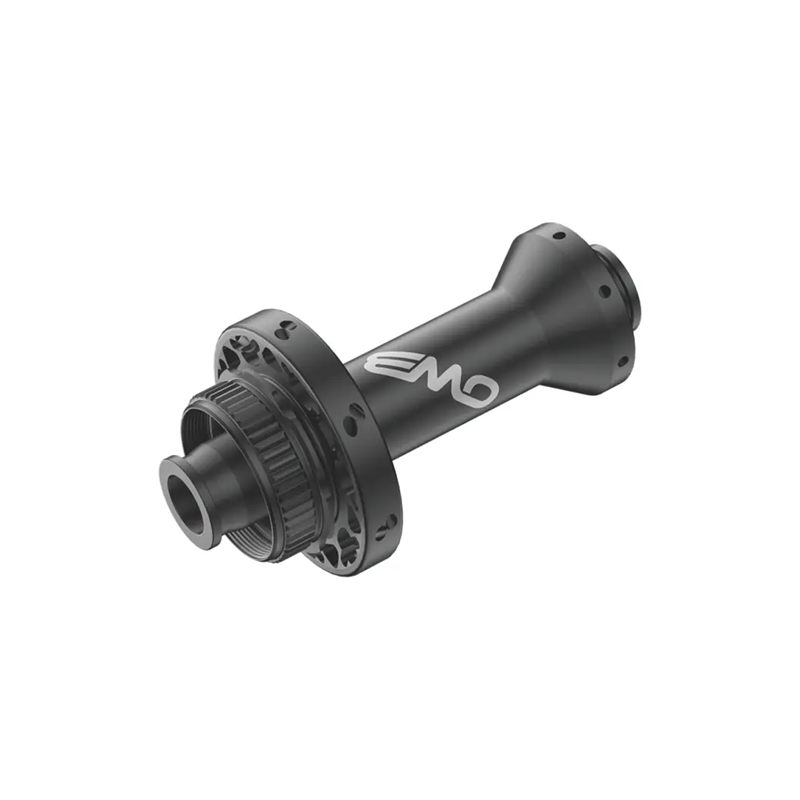
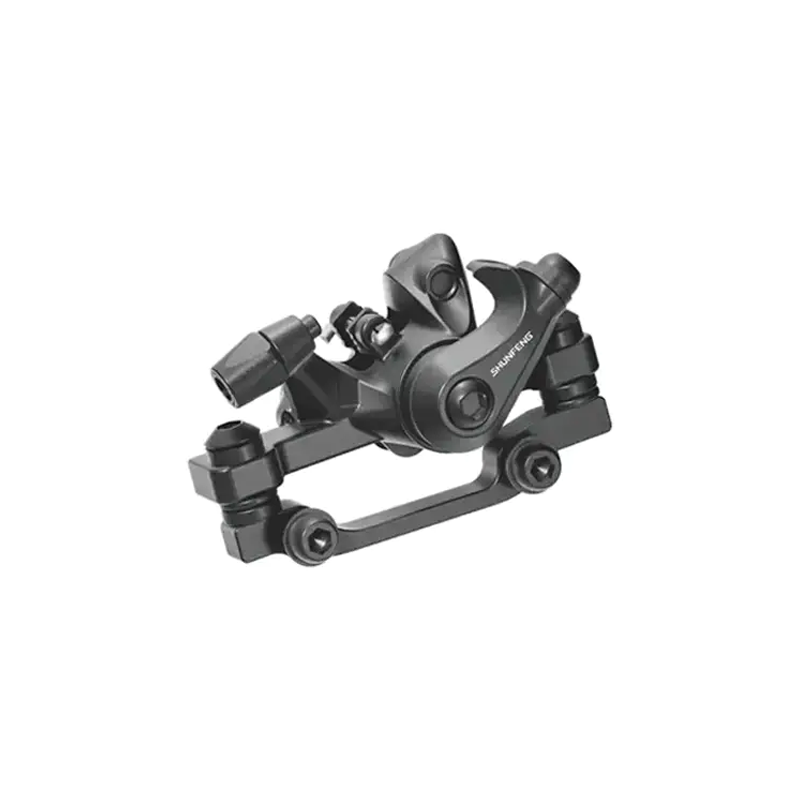
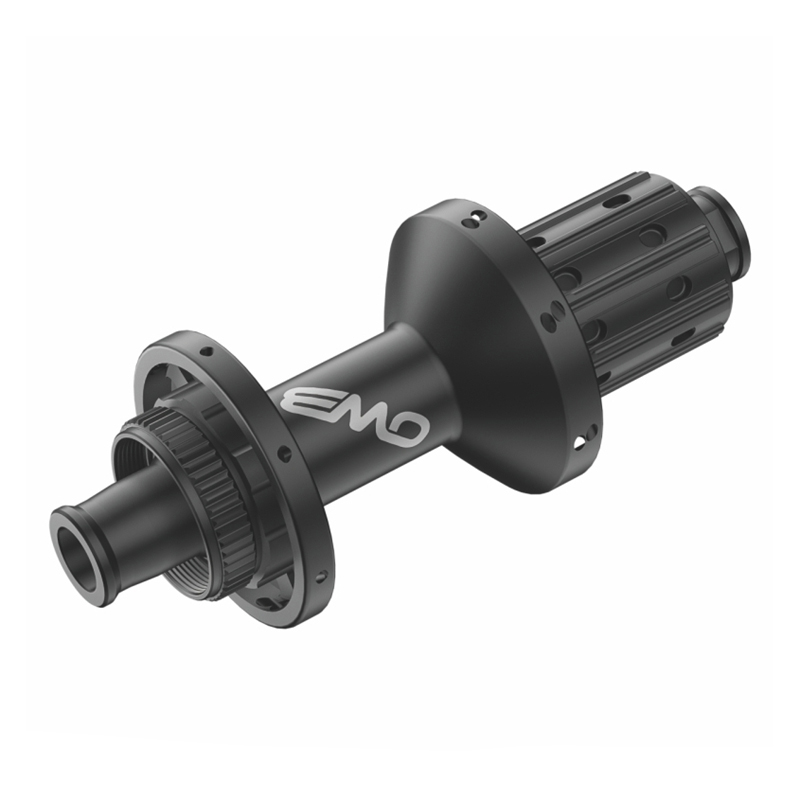
Disc brakes use a metal rotor mounted at the wheel hub, squeezed by brake pads inside a caliper. Because the rotor sits close to the axle rather than at the rim's edge, it stays cleaner, cooler under sustained braking, and unaffected by a wheel that's slightly out of true. Independent lab tests from cycling publications consistently show disc brakes producing 15–25% shorter stopping distances in wet conditions compared to rim brakes at the same lever force.
This isn't marketing spin—it's physics. Rim brakes rely on friction between a rubber pad and a metal or carbon rim surface that's constantly exposed to road spray, grit, and grime. Disc rotors, by contrast, are shielded by the frame and fork, so they maintain far more predictable friction regardless of weather.
Mechanical vs Hydraulic Disc Brakes
Not all disc brakes are equal. Understanding the two main types helps you choose the right setup for your riding style and budget.
Mechanical (Cable-Actuated) Disc Brakes
These use a steel cable, similar to rim brakes, to pull the caliper closed. They're cheaper to install and easier to service with basic tools, but they require more hand force and are more prone to cable stretch, which means periodic adjustment.
Hydraulic Disc Brakes
Hydraulic systems use fluid-filled lines to transfer force, giving significantly more modulation and stopping power with less lever effort. Most performance road, gravel, and mountain bikes now ship with hydraulic disc brakes as standard. The downside is that bleeding the system (removing air bubbles) typically requires a bike shop visit or specialized tools.
Disc Brakes vs Rim Brakes: Side-by-Side Comparison
The table below summarizes how the two systems compare across the factors that matter most to riders.
| Factor | Disc Brakes | Rim Brakes |
|---|---|---|
| Wet weather stopping power | Excellent | Poor to fair |
| Average bike weight added | +150–300g | Baseline |
| Rim wear over time | None | Gradual wear, eventual replacement |
| Maintenance complexity | Moderate (rotor truing, bleeding) | Low (pad swaps, cable tension) |
| Cost (bike-level, avg.) | Higher by ~$100–300 | Lower |
| Wheel true tolerance | High (rim shape doesn't affect braking) | Low (wobble causes rubbing) |
Real-World Scenarios: Which Riders Benefit Most
The "better" brake depends heavily on how and where you ride. Here's a breakdown by use case:
- Commuters and daily riders: Disc brakes win outright. Rain, road grime, and inconsistent stopping distances make reliable all-weather braking essential for safety.
- Gravel and mountain bikers: Disc brakes are effectively mandatory. Mud and debris clog rim brakes quickly, while disc rotors stay largely unaffected.
- Touring cyclists with heavy loads: Disc brakes handle the added weight and long descents with far less heat buildup and fade.
- Competitive road racers: Rim brakes remain viable for dry-weather criteriums where weight savings and aerodynamics are prioritized, though most professional pelotons have now shifted to disc brakes as well.
- Budget-conscious casual riders: Rim brakes offer adequate performance at a lower price point if riding is limited to dry, flat routes.
Maintenance and Long-Term Ownership Costs
A common misconception is that disc brakes are dramatically more expensive to maintain. In practice, the difference is modest once you account for rim brake pad and rim replacement over the life of a bike.
Disc Brake Upkeep
Disc pads typically last 500–1,000 miles depending on riding conditions, and rotors can last several years before needing replacement. Hydraulic systems occasionally need a fluid bleed (roughly once every 1–2 years for regular riders), which costs $20–40 at most shops.
Rim Brake Upkeep
Rim brake pads are cheaper individually but wear faster in wet or gritty conditions, sometimes needing replacement every 300–600 miles in poor weather. More importantly, rims themselves wear down from the braking surface grinding against pads—a worn rim can crack or fail, which is a far costlier and more dangerous repair than any disc brake maintenance task.
Common Concerns About Disc Brakes—Addressed
Several myths persist about disc brakes that are worth clarifying with current data:
- "Disc brakes are too heavy." Modern flat-mount hydraulic systems add closer to 150–200g versus older estimates of 500g+, a difference barely noticeable outside of competitive racing.
- "Rotors can cause injury in a crash." While rotor edges are sharp, documented injury cases are rare, and most manufacturers now use rounded rotor edge designs to reduce risk.
- "Disc brakes squeal constantly." Noise usually stems from contaminated pads (oil or lubricant contact) or improper caliper alignment—both fixable with a basic tune-up.
- "You can't fix disc brakes on the road." Mechanical disc brakes are just as field-serviceable as rim brakes; only hydraulic bleeding requires shop tools.
How to Decide: A Quick Checklist
Use these questions to determine whether disc brakes are the right choice for your next bike purchase or upgrade:
- Do you regularly ride in rain, mud, or on unpaved surfaces? → Choose disc brakes.
- Are you carrying cargo, touring gear, or riding in hilly terrain with long descents? → Choose disc brakes.
- Is your priority minimum weight for dry-road racing only? → Rim brakes remain acceptable.
- Is upfront budget your primary constraint and you ride mostly in dry, flat conditions? → Rim brakes can save money without major safety trade-offs.
Final Takeaway
For the majority of cyclists—commuters, gravel riders, mountain bikers, and tourers—disc brakes are objectively better thanks to stronger, more consistent stopping power in all weather conditions and less long-term wear on your wheels. The added weight and cost are minor trade-offs compared to the safety and performance gains, especially as hydraulic disc systems become more affordable and widespread across nearly every bike category in 2026.
References
- BikeRadar, "Disc brakes vs rim brakes: which is right for you?" – www.bikeradar.com
- GCN (Global Cycling Network), "Disc Brakes vs Rim Brakes – Wet Weather Braking Test" – www.gcn.com
- Shimano, "Hydraulic Disc Brake Technology Overview" – bike.shimano.com
- SRAM, "Disc Brake Maintenance and Bleeding Guide" – www.sram.com
- Park Tool, "Disc Brake Service and Rotor Care" – www.parktool.com
- CyclingTips, "The Great Brake Debate: Disc vs Rim in the Pro Peloton" – www.cyclingtips.com
 TEL: +86-15356655590
Mobile: +86-18868195070
Email: [email protected]
No. 686, Binhai 2nd Road, Hangzhou Bay New Area, Ningbo City, Zhejiang Province, China
TEL: +86-15356655590
Mobile: +86-18868195070
Email: [email protected]
No. 686, Binhai 2nd Road, Hangzhou Bay New Area, Ningbo City, Zhejiang Province, China
Copyright © Ningbo Shenglu Bicycle Co., Ltd. All Rights
Reserved
Wholesale Bicycle Hub Manufacturers
