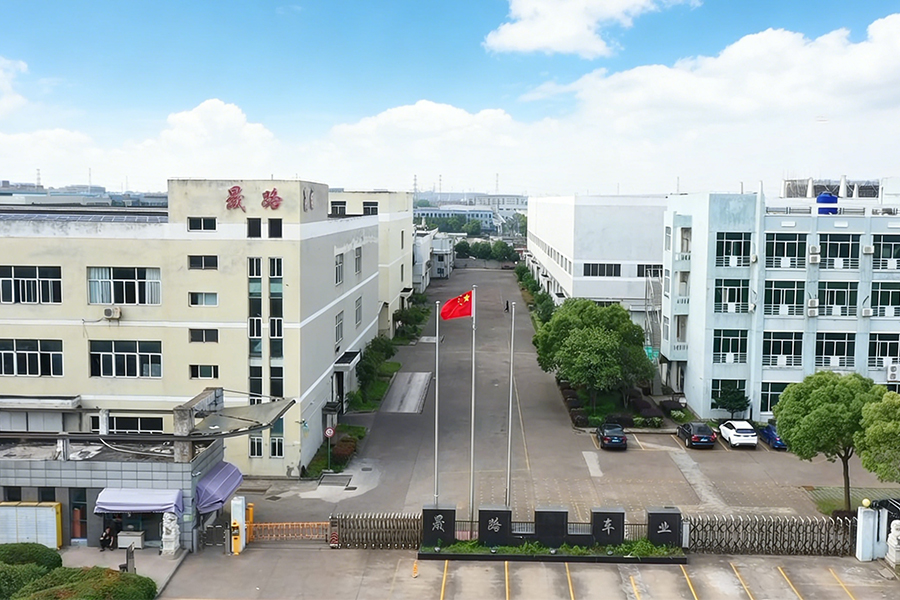
Ningbo Shenglu Bicycle Co., Ltd. is a China-based component factory that designs and manufactures the complete disc brake package: hydraulic calipers, mechanical calipers and rotors. As one of the Bike Disc Brakes Manufacturers serving global OEM brands, we connect braking design to hub standards, axle systems and e-bike electronics so the component specified in the drawing is the component we can repeat in volume.
Our Disc Brake Range
We split the product family into three groups that can be specified together or delivered as separate service parts.
Hydraulic Disc Brake
Fluid-actuated calipers with 2- or 4-piston layouts, open-system designs for lever consistency, and e-bike versions with magnetic induction power-off. Representative series include DULA641, LOLA342, EULA441/EULA401 and DULA601.
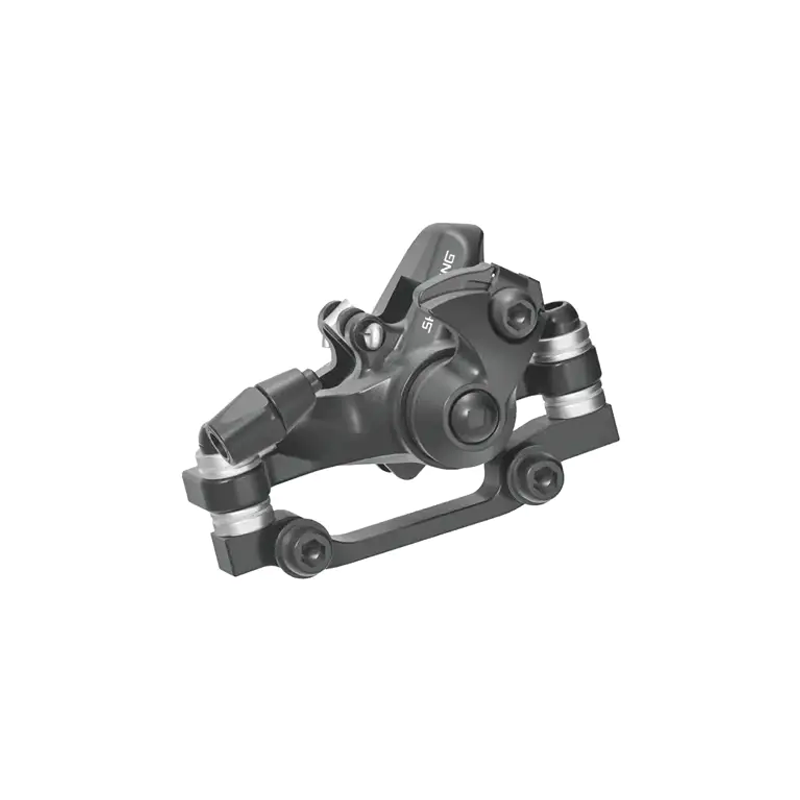
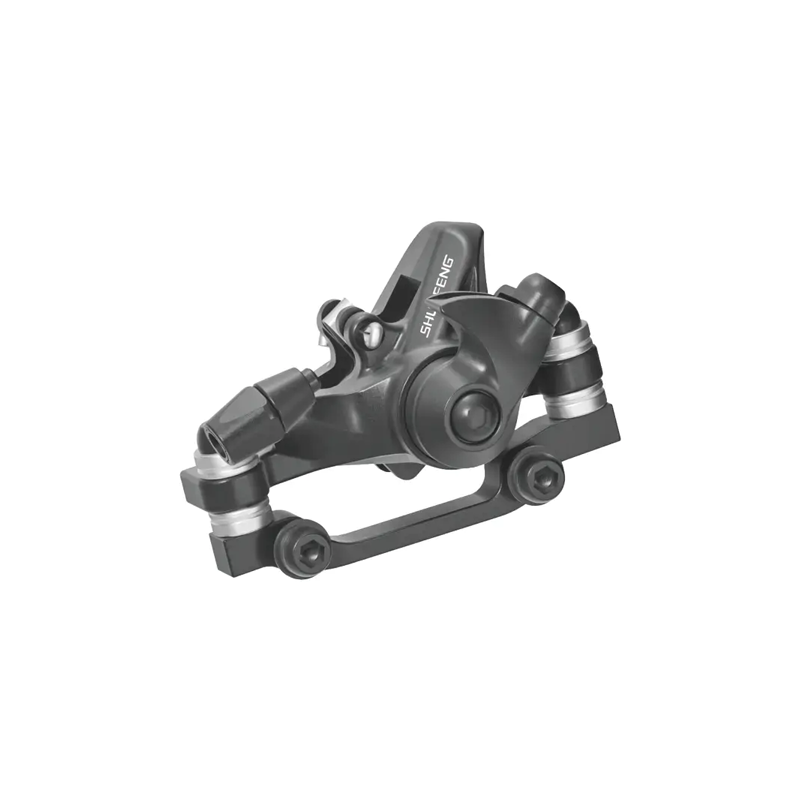
Mechanical Disc Brake
Cable-actuated calipers for simple maintenance. SL-M460 automatic caliper centering, SL-M400 single-piece caliper, SL-R315 integrated alloy caliper road brake and SL-M370 cover commuter, entry MTB and folding platforms.
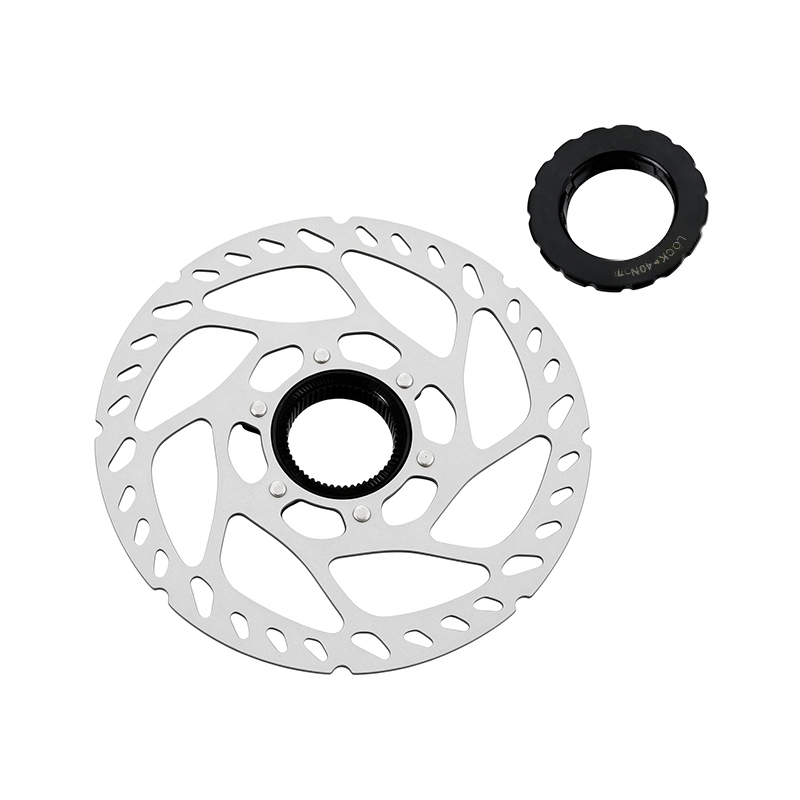
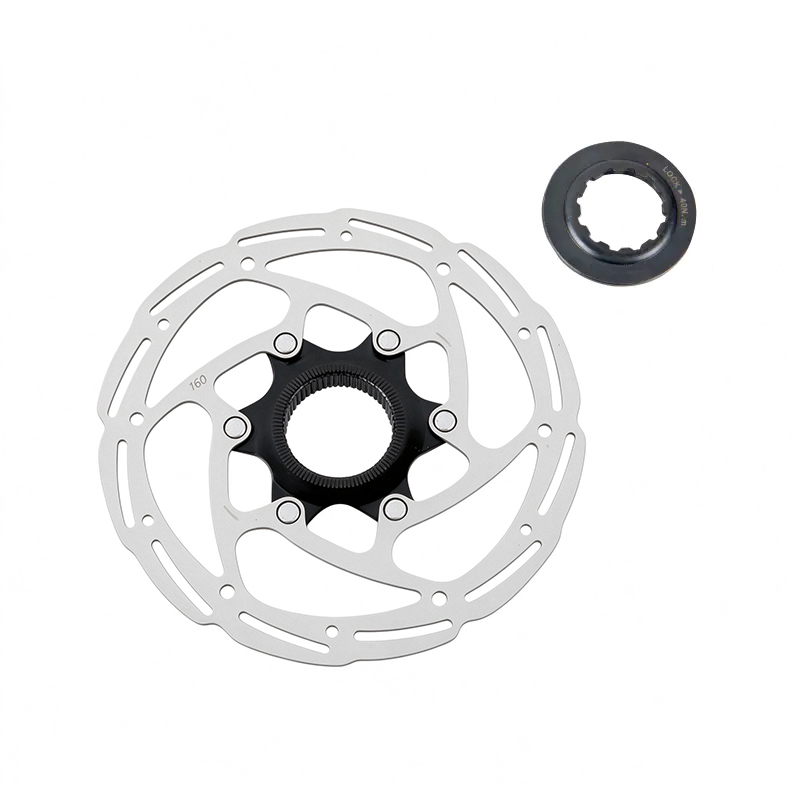
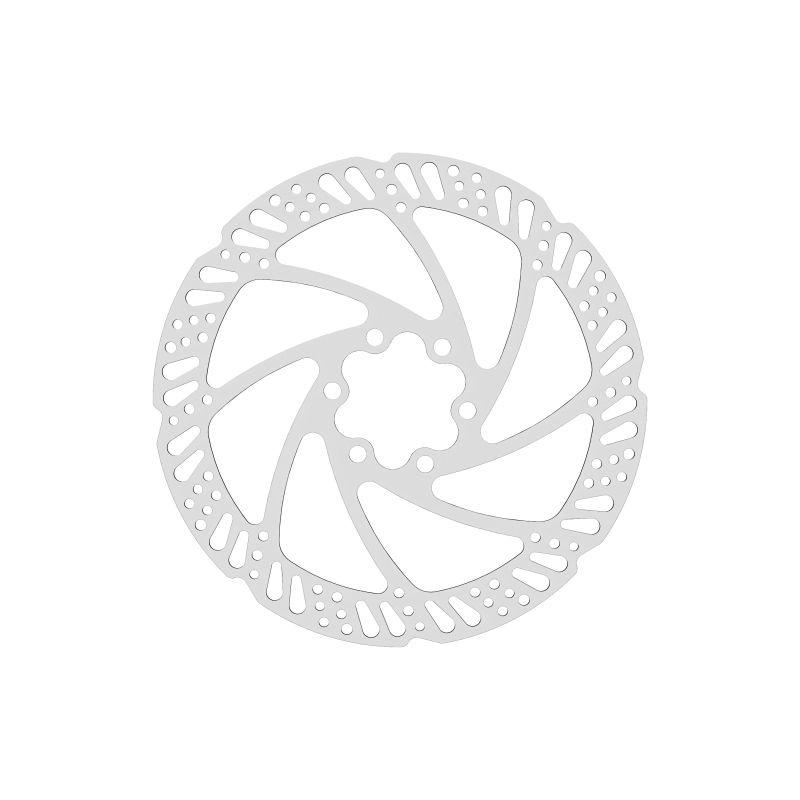
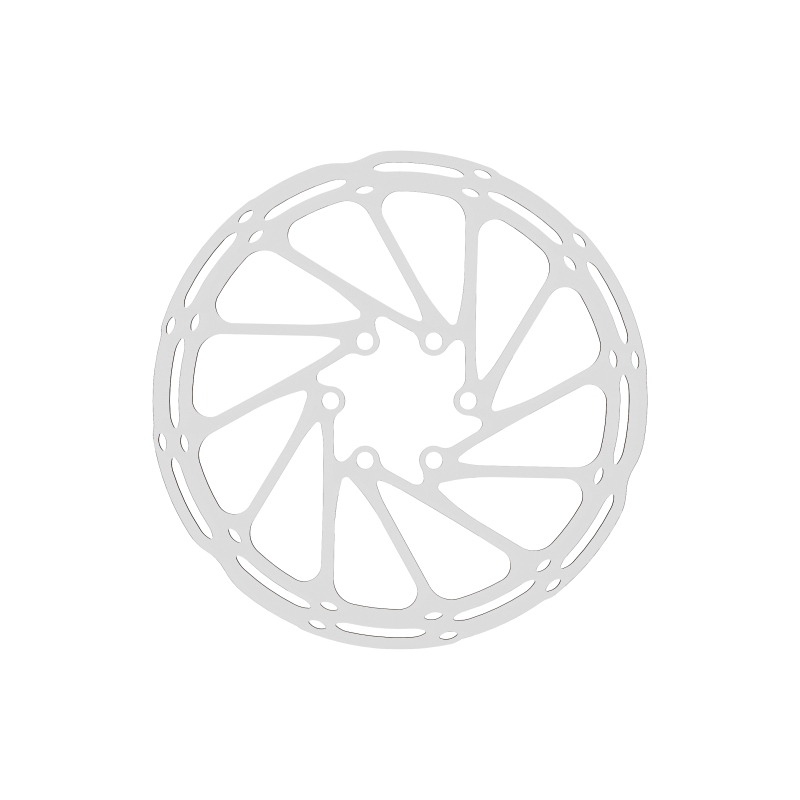
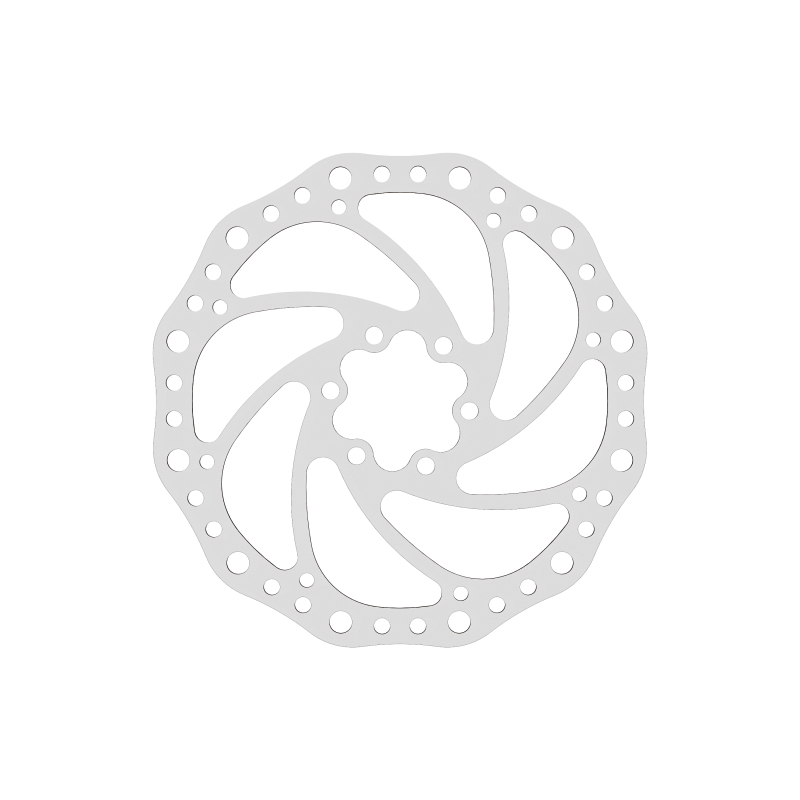
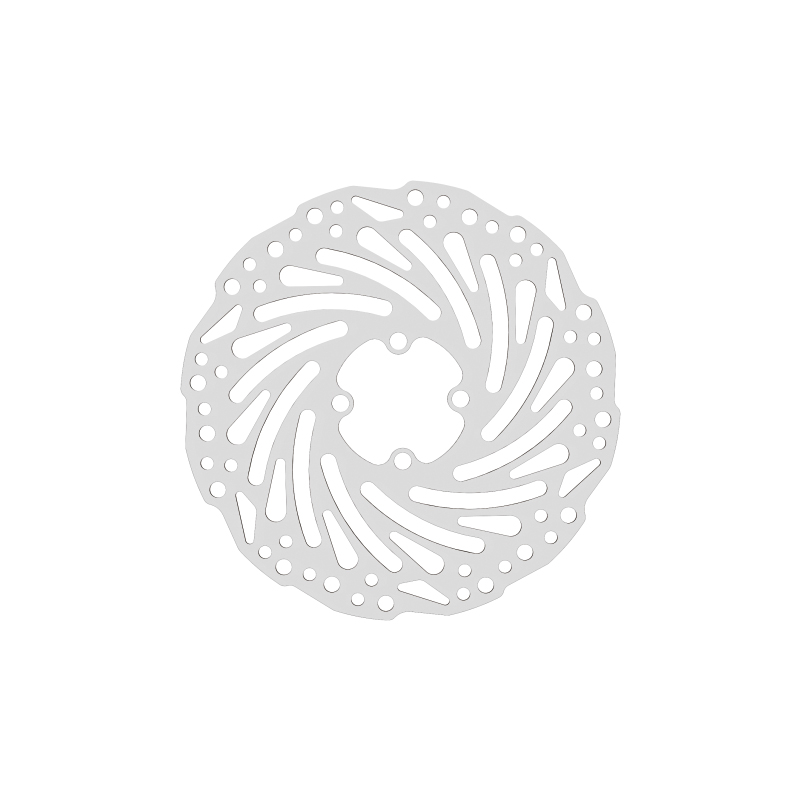
Bike Disc Brake Rotor
Disc rotors are matched to the hub mounting standard, rotor diameter and caliper position required by the frame. We treat rotor selection as part of the same configuration as calipers so braking feel and heat management are consistent.
| Range |
Actuation |
Typical Fit |
Representative Series |
| Hydraulic |
Fluid pressure, sealed system |
MTB, road, touring, e-bike |
DULA641, DULA601, LOLA342, LOLA312, EULA401/EULA441 |
| Mechanical |
Steel cable |
Urban, entry MTB, folding |
SL-M460, SL-M400, SL-M370, SL-R315 |
| Rotor |
Mounted to hub, pads clamp both sides |
Works with hydraulic and mechanical |
Custom diameter and surface finish |
Application Fit and Selection Variables
Each platform places different demands on the brake. A folding bike needs low maintenance; an MTB needs high power and fade resistance; an e-bike needs a reliable motor cutoff. The typical mapping we use in OEM projects is:
- MTB and e-bike: hydraulic 2- or 4-piston calipers, with power-off versions for motorized platforms.
- Road and gravel: compact hydraulic or integrated mechanical calipers; SL-R315 is an integrated alloy caliper road option.
- Urban and folding: mechanical calipers with automatic centering where brake setup needs to be fast and service intervals long.
The friction pairing is a specification decision, not an accessory choice. Organic pads are quieter and smoother in initial response; metallic pads are more wear-resistant under high heat. Hydraulic systems must be specified with the correct fluid, mineral oil or DOT, and the two fluid types are never mixed.
Materials, Machining and Surface Treatment
Aluminum is the primary structural material for calipers and levers, selected for strength-to-weight ratio and machinability. We manufacture these parts on CNC machining lines, then apply anodizing, electrophoresis or electroplating for corrosion resistance and appearance stability. Steel hardware and rotor blanks use in-house blackening and phosphating plus heat treatment to maintain consistent hardness and surface quality.
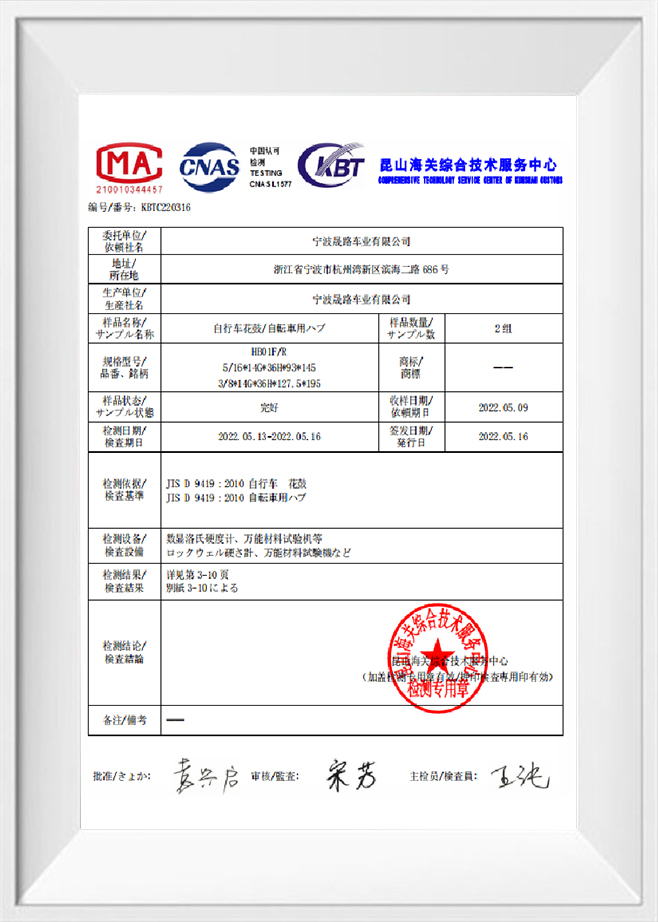
Quality control covers raw material preparation, machining, surface treatment, assembly and final inspection. Depending on program requirements, verification includes dimensional and assembly accuracy, functional performance, structural load and durability checks, and surface-treatment consistency. We focus on reducing batch variation through process control rather than relying only on final inspection.
OEM/ODM Customization and Sample Path
Customization is structured around what can be repeated at scale. Our scope includes structural dimensions, axle standards, material and surface treatment, branding and packaging. Each request goes through a manufacturing feasibility review before sample development. Samples are produced under mass-production conditions, then specifications are locked before batch production. This keeps the approved sample consistent with later output instead of being an isolated prototype.
E-Bike Brake Integration
E-bike brake programs require the brake system to communicate with the drive. Our EULA401 and EULA441 models integrate magnetic induction power-off, stopping the motor when the brake is applied. The SL-R527 cable-pull hydraulic system provides hydraulic caliper force while retaining a cable-actuated lever, which suits platforms already wired for mechanical brakes.
Our monthly supply capacity reaches 1.3 million components, supported by automated punching, CNC machining and assembly lines. This allows brake programs to run alongside hub, freewheel and wheelset production with predictable scheduling for combined OEM supply.
Information We Use to Configure Your Solution
To prepare a configuration and quotation, we need the braking envelope and the commercial target:
- Bicycle type and braking profile (MTB, road, gravel, commuter, e-bike)
- Caliper mounting standard, rotor diameter and hub axle standard
- Actuation preference: hydraulic, mechanical or cable-pull hydraulic
- For e-bikes: system voltage and required cutoff signal
- Pad material and brake fluid type
- Lever style, hose length and color
- Branding, labeling and packaging requirements
- Estimated annual volume and delivery schedule
Project Support, Acceptance and Warranty
Every proposal is based on confirmed specifications and a defined manufacturing route. We inspect dimensional accuracy and functional performance through production, not only before shipment, so each batch matches the approved sample. The standard warranty is 2 years for manufacturing or material defects under normal use. Warranty cases are handled by problem confirmation, technical evaluation and correction or replacement according to responsibility.
Frequently Asked Questions
What is the difference between your hydraulic and mechanical disc brakes?
Hydraulic disc brakes transmit lever force through sealed fluid, giving more linear and consistent braking, especially in long descents. Mechanical disc brakes use a steel cable, keeping the system simpler and less expensive to maintain. We offer both, plus the SL-R527 cable-pull hydraulic model as a middle option.
Which brake should we specify for an e-bike program?
For e-bikes we normally recommend hydraulic disc brakes with magnetic induction power-off, such as EULA401 or EULA441. The integrated motor cutoff improves safety by stopping drive power at the start of braking, and the hydraulic caliper provides the power expected from heavier e-bikes.
Can you customize rotor diameter, caliper finish and branding?
Yes. Structural dimensions, axle standards, material and surface treatment, laser branding and packaging can be customized. Each request goes through a manufacturing feasibility review so the customization can be repeated in batch production.
How do you keep samples consistent with mass production?
Samples are developed under mass-production conditions using the same CNC programs, surface treatment lines and assembly methods. Multi-stage inspection and batch traceability are then maintained through production.
What pad material should we choose for a new model?
Organic pads provide quieter, smoother initial response. Metallic pads provide higher durability and more stable performance under repeated high-temperature braking. The choice is matched to the target riding profile and expected maintenance cycle.



 English
 русский
 Français
 Español
 Português
 عربى