Freewheel in Bicycle Drivetrain System: Structural Significance and Operating Mechanism
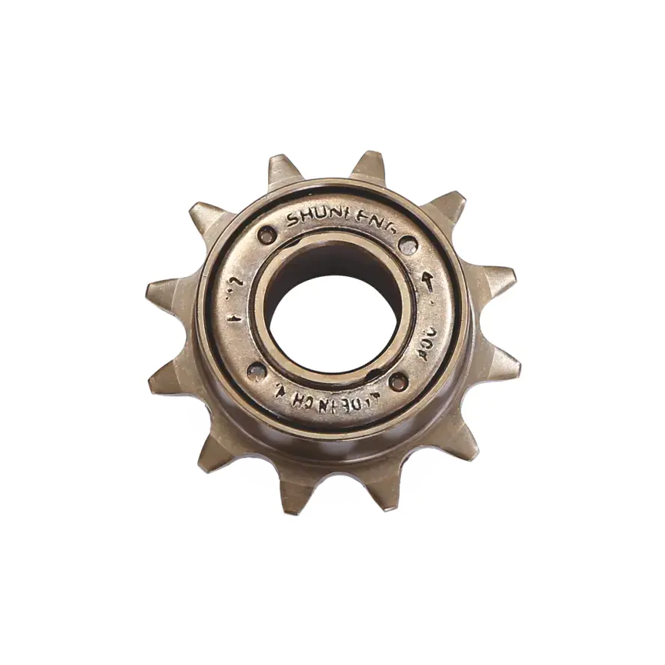
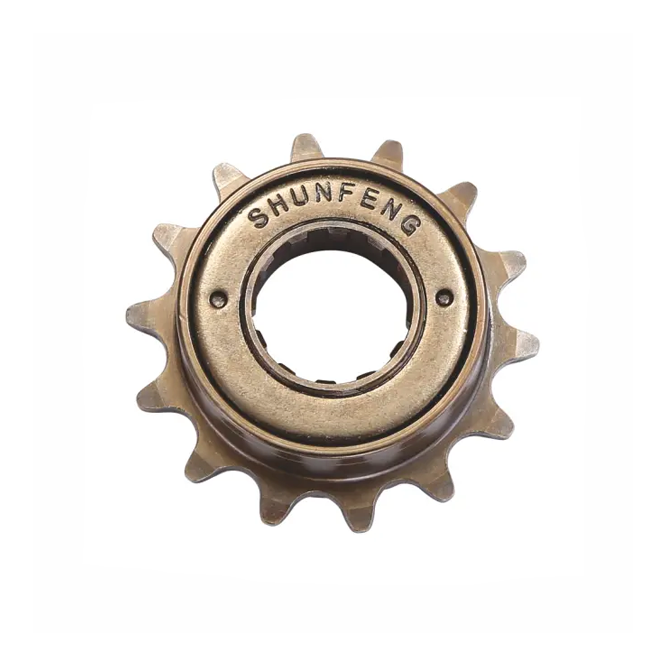
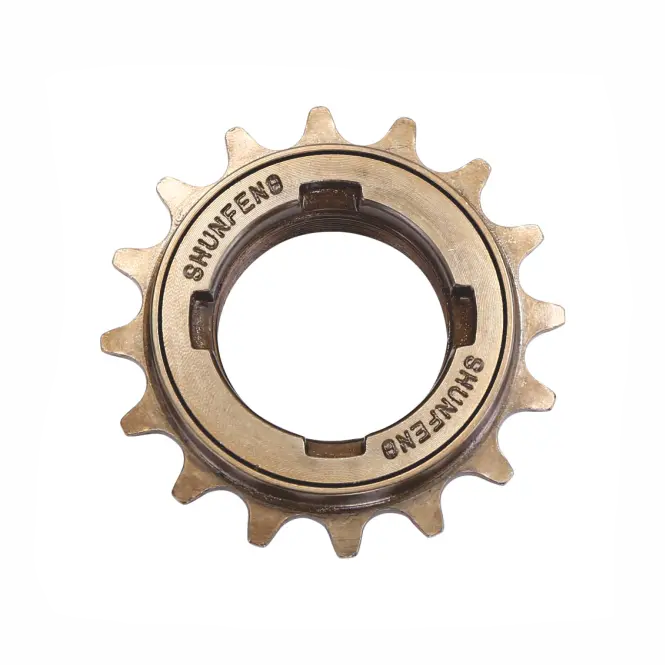
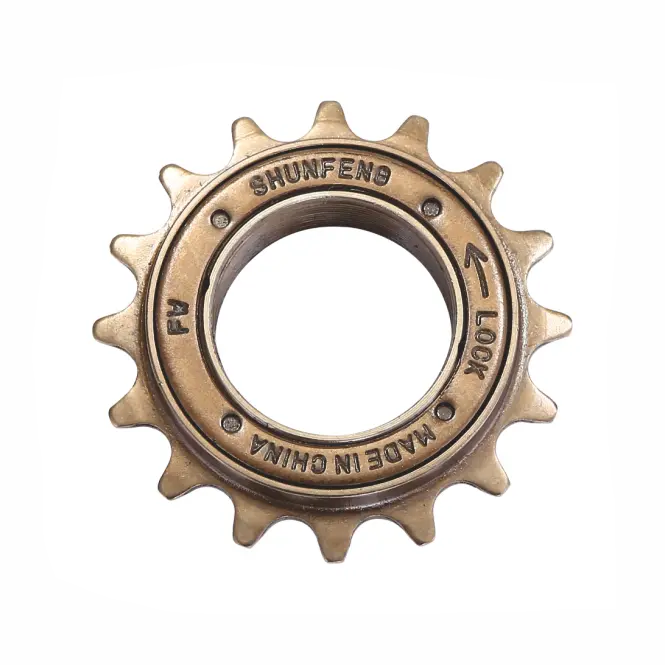
The Freewheel is one of the core transmission components in the rear hub system of a bicycle, acting as the “rear gear adjustment center” in the overall drivetrain structure. Structurally, the Freewheel is installed on the rear axle hub and works in coordination with the hub system. It forms a multi-speed transmission system through sprockets of different sizes.
In the bicycle drivetrain system, the Freewheel, front chainring, chain, and rear derailleur together form a closed-loop power transmission structure. When the rider pedals, power is transferred through the front chainring to the chain, and then the chain drives different sprockets on the Freewheel to achieve torque amplification or speed increase. Since the Freewheel usually consists of multiple sprockets with different diameters, it provides a full range of gear ratios from low-speed high-torque to high-speed low-torque, enabling bicycles to adapt to urban commuting, mountain climbing, and high-speed riding conditions.
From an engineering perspective, Freewheel performance depends not only on the number of sprockets but also on tooth profile precision, steel strength, and the stability of the internal ratchet mechanism. Under high-speed riding conditions, the internal pawl system of the Freewheel must ensure instant locking capability, while maintaining low resistance during coasting. This dual-performance requirement makes the Freewheel a precision component within the bicycle drivetrain system.
In practical applications, different Freewheel specifications provide varied riding experiences. Smaller sprockets are used for flat roads or downhill riding, enabling higher speed output at the same cadence. Larger sprockets are suitable for climbing or starting, reducing resistance and improving torque output efficiency. This adaptability makes Freewheel a key component for performance adjustment in bicycle systems.
From the supply chain perspective, Freewheel products are typically manufactured by specialized Freewheel Suppliers and produced in large-scale Freewheel Factories, then delivered to OEM bicycle manufacturers or brand owners. In modern manufacturing systems, Freewheel is not only a standard component but also a complex industrial product integrating material engineering, machining, and heat treatment technologies.
OEM/ODM Freewheel Manufacturers and Factory Production System with Company Overview of Ningbo Shenglu Bicycle Co., Ltd.
In the global bicycle component industry chain, OEM/ODM Freewheel Manufacturers play a crucial role in covering both product development and mass production. These manufacturers not only provide standardized Freewheel products but also offer structural optimization and parameter customization according to different brand requirements.
Under the OEM/ODM model, Freewheel Factories must possess a complete vertical manufacturing capability, covering the entire process from raw material processing to final assembly. The manufacturing system generally includes stamping, cold forging, CNC machining, heat treatment, surface treatment, and final assembly inspection. Each stage directly affects the durability, transmission efficiency, and noise performance of the Freewheel.
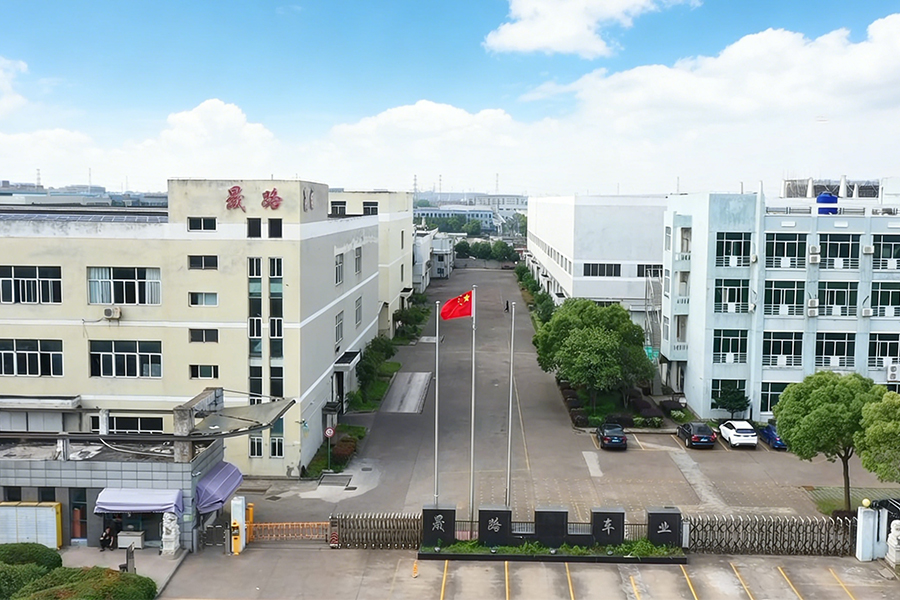
Ningbo Shenglu Bicycle Co., Ltd. is a professional manufacturing enterprise located in Ningbo City, Zhejiang Province, China. Founded in 1998, the company covers an area of 80,000 square meters. Over years of development, it has built a complete manufacturing system and stable production capacity. Its core brand “SHUNFENG” has gained strong recognition in the industry and continues to supply Freewheel and related drivetrain components worldwide.
The annual production capacity of Ningbo Shenglu Bicycle Co., Ltd. reaches 15 million pairs of steel hubs and 5 million Freewheel units, giving the company strong competitiveness among OEM/ODM Freewheel Manufacturers. As a professional Freewheel Manufacturer, it not only supplies complete bicycle brands but also supports global Freewheel Supplier networks with stable output capability.
The company has established a fully integrated in-house production chain, enabling the Freewheel Factory to achieve highly coordinated manufacturing management. The production process includes stamping, aluminum forging, CNC machining, cold forging, blackening and phosphating, aluminum oxidation, CP and ED plating, heat treatment, and final assembly inspection. Through this integrated system, the Freewheel achieves high structural strength and durability.
OEM/ODM Freewheel Manufacturers also adjust product configurations according to market demands, including sprocket ratio optimization, ratchet responsiveness adjustment, and material grade upgrades. These customization capabilities allow Freewheel products to cover entry-level bicycles to high-performance sports bicycles.
Freewheel Material System, Manufacturing Process, and Quality Control Comparison Analysis
As a high-frequency mechanical engagement component, Freewheel material selection and structural design directly determine transmission performance. Modern Freewheel Factories typically use high-carbon alloy steel for sprocket components, combined with surface hardening processes to improve wear resistance. In lightweight designs, aluminum alloys may also be used to reduce weight and improve response efficiency.
Structurally, the internal ratchet system of the Freewheel uses multi-tooth engagement to ensure stable power transmission. Under high-load conditions, the contact surface between pawls and gear rings must maintain extremely high hardness and fatigue resistance, requiring strict heat treatment control. OEM/ODM Freewheel Manufacturers optimize carburizing depth and quenching parameters to ensure long-term stable engagement performance.
Within Freewheel Supplier systems, product consistency is a key evaluation standard. Different batches must maintain consistent tooth profile precision and engagement response time to ensure drivetrain stability after assembly. This depends on precision machining equipment and strict quality inspection processes.
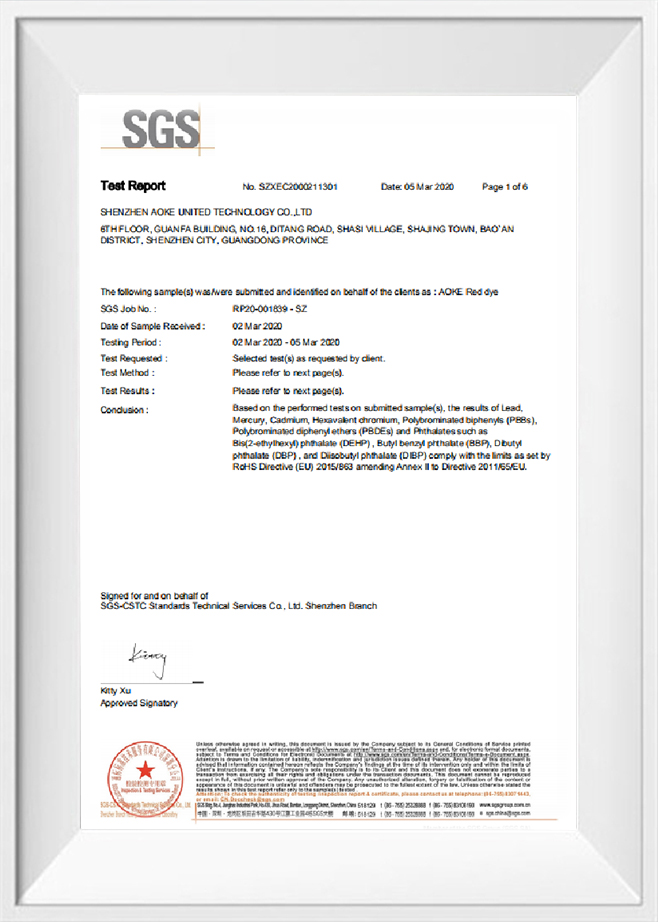
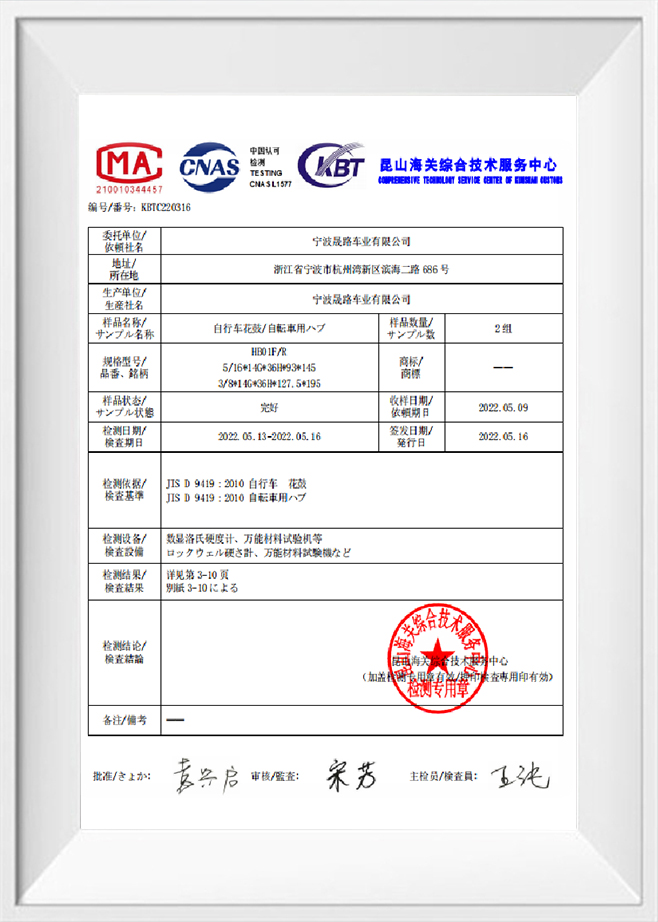
Ningbo Shenglu Bicycle Co., Ltd. implements a multi-stage quality control system, starting from raw material inspection, followed by in-process dimensional monitoring, and final performance testing. Each stage is recorded and tracked to ensure manufacturing stability and consistency.
During Freewheel production, each manufacturing stage significantly affects final performance. CNC machining determines tooth profile accuracy, heat treatment defines hardness and toughness balance, while surface plating and oxidation processes enhance corrosion resistance and service life. OEM/ODM Freewheel Factories standardize process parameters to ensure consistency across product lines.
| Manufacturing Stage |
Process Type |
Main Function |
Impact on Freewheel Performance |
| Raw Material Forming |
Stamping / Cold Forging |
Forms basic sprocket structure |
Determines basic strength and structural stability |
| Precision Machining |
CNC Machining |
Controls tooth profile and dimensional accuracy |
Affects shifting smoothness and engagement precision |
| Strengthening Treatment |
Heat Treatment |
Improves hardness and wear resistance |
Extends service life and fatigue resistance |
| Surface Treatment |
Plating / Oxidation |
Enhances corrosion resistance |
Improves environmental adaptability |
| Assembly Inspection |
Automated Assembly |
Ensures structural consistency |
Guarantees overall transmission stability |
In the global bicycle component industry chain, Freewheel production systems show a high level of specialization. Freewheel Suppliers are responsible for regional distribution and OEM bicycle matching, while OEM/ODM Freewheel Manufacturers handle core manufacturing and technical development. Freewheel Factories continuously improve manufacturing processes and material systems to enhance adaptability in complex riding environments.
Within this industrial framework, Ningbo Shenglu Bicycle Co., Ltd. leverages long-term technical accumulation and large-scale production capability to maintain a stable manufacturing output system, playing an important role in the global Freewheel supply chain.



 English
  русский
  Français
  Español
  Português
  عربى
عربى