Analysis of Single Speed Freewheel Structure Principles and Drivetrain Applications
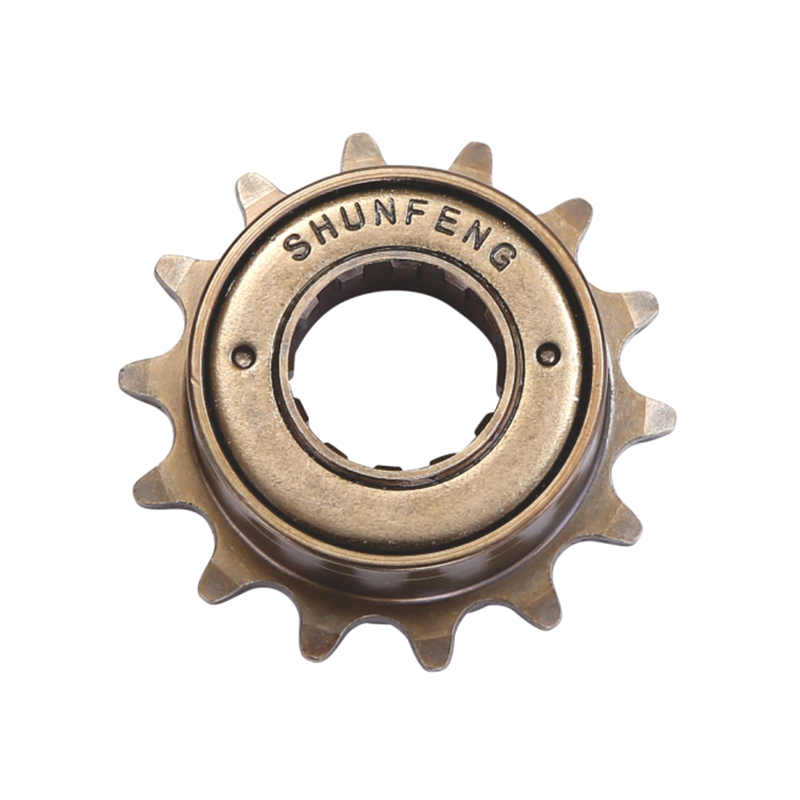
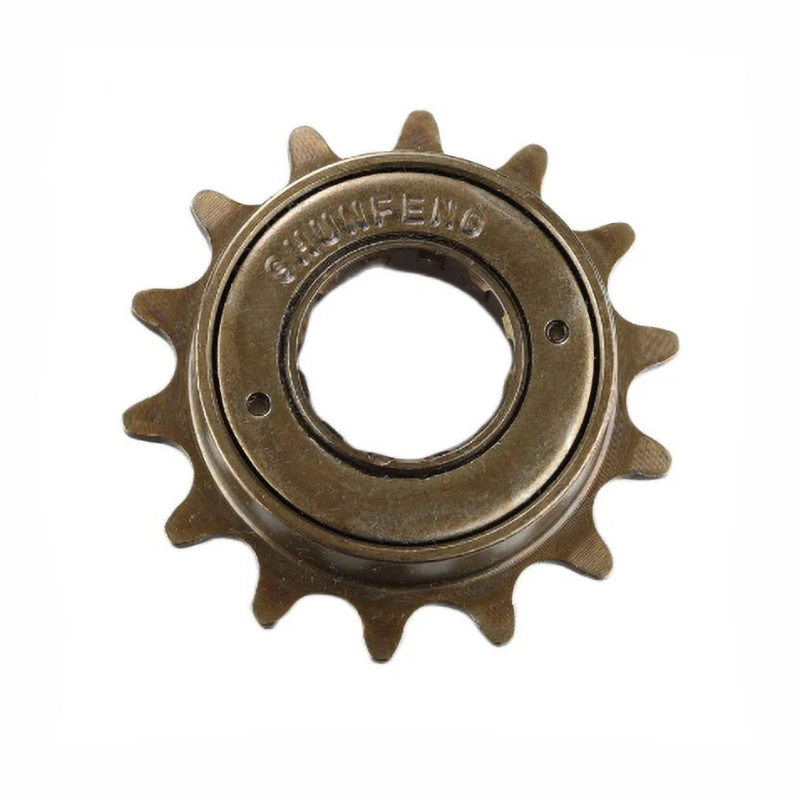
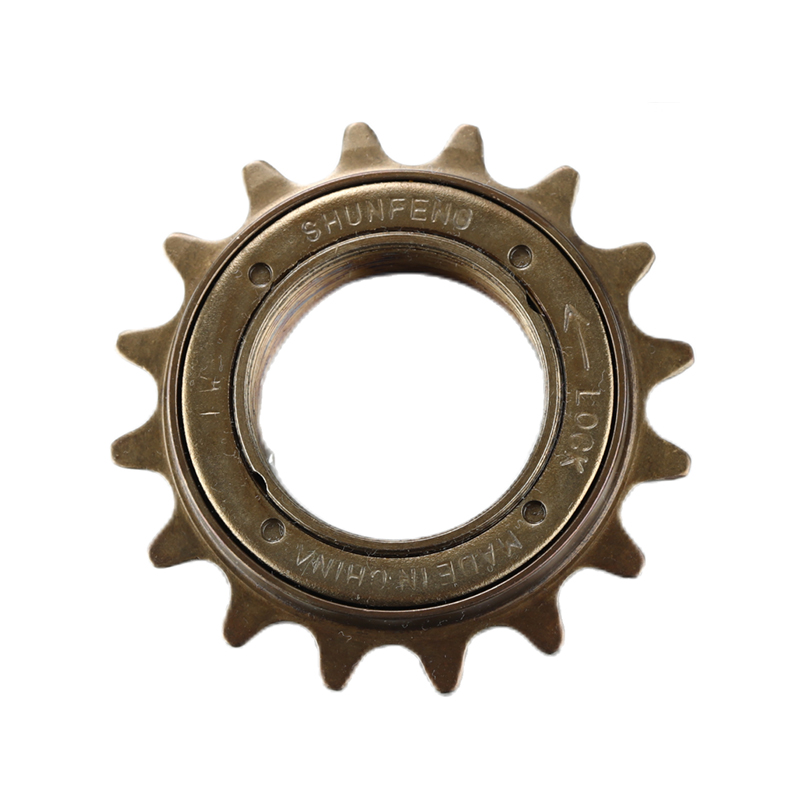
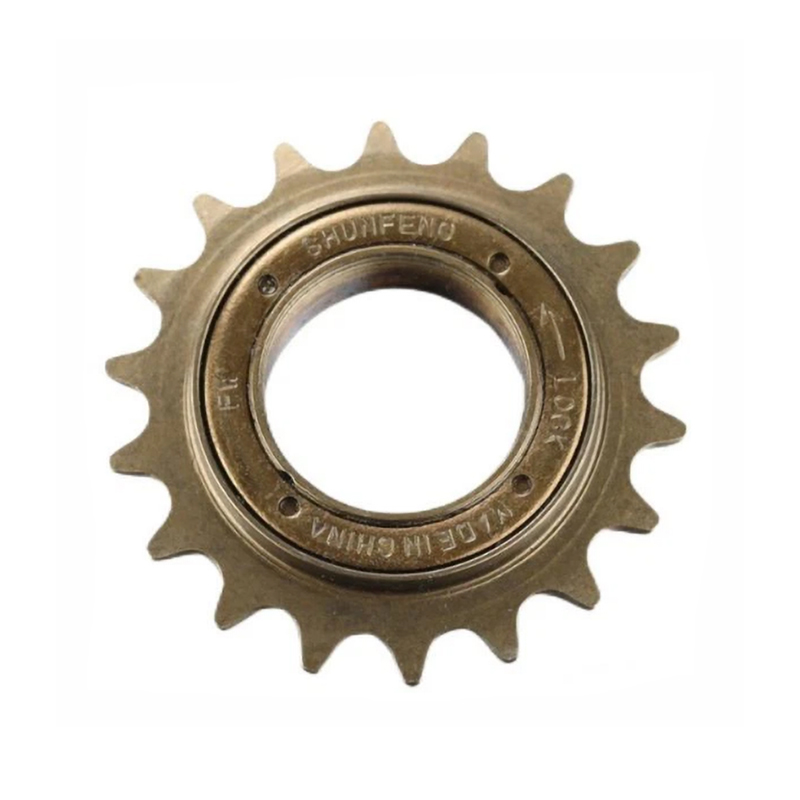
Single Speed Freewheel is one of the key basic components in a bicycle drivetrain system. It is installed at the rear hub position and works together with the chain and chainring system to transmit pedaling power to the rear wheel in a one-way direction while providing a freewheeling function. This means that when the rider stops pedaling, the bicycle can continue to move forward with inertia without forcing the pedals to rotate backward. This structural characteristic makes it widely used in urban commuter bicycles, folding bicycles, and some modified or custom bicycle models.
From a transmission logic perspective, the Single Speed Freewheel uses an internal ratchet mechanism to achieve one-way locking and releasing. When the rider applies force on the pedals, the ratchet engages and drives the rear wheel to rotate. When pedaling stops, the ratchet disengages, allowing free rotation. This simple and reliable mechanical principle makes it highly suitable for low-maintenance riding environments, especially in daily commuting and short-distance travel scenarios.
In the global bicycle component market, Single Speed Freewheel Suppliers and Single Speed Freewheel Manufacturers focus on optimizing structural stability, material strength, and batch consistency. Custom Single Speed Freewheel Suppliers and Custom Single Speed Freewheel Manufacturers further expand product adaptability within OEM and ODM systems, enabling the product to meet structural requirements of different brands and markets.
Although the structure of a single speed freewheel is relatively simple, it consists of multiple precision parts such as ratchet gears, steel ball bearing systems, axle support structures, and protective outer housings. Different manufacturers and factories show differences in machining precision, which directly affects riding smoothness and service life. Professional manufacturing factories usually adopt high-precision CNC machining technology combined with automated assembly processes to ensure batch consistency and long-term operational stability.
In urban cycling environments, the single speed freewheel not only transmits power but also affects riding smoothness and energy efficiency. High-quality suppliers often optimize tooth profile design, lubrication structure, and sealing performance to ensure low noise and low wear during long-term use.
Manufacturing Process System and Analysis of Supplier, Manufacturer, and Factory Capabilities
The manufacturing process of Single Speed Freewheel involves multiple precision machining stages. From raw material selection to final assembly, every step directly affects product performance. As a typical mechanical transmission component, its production system is usually led by professional Single Speed Freewheel Manufacturers and supported by factories with complete machining capabilities for mass production.
In terms of raw materials, commonly used materials include high-strength alloy steel and aluminum alloy. Different materials balance weight reduction and wear resistance performance. Manufacturing factories select materials based on target market requirements. Commuter products focus more on durability, while lightweight custom products prioritize weight reduction.
The machining process typically relies on CNC equipment for gear cutting and housing shaping, combined with heat treatment processes to enhance hardness and fatigue resistance. The assembly stage requires ratchet systems and ball bearing systems to be assembled in controlled environments to reduce contamination and improve transmission efficiency.
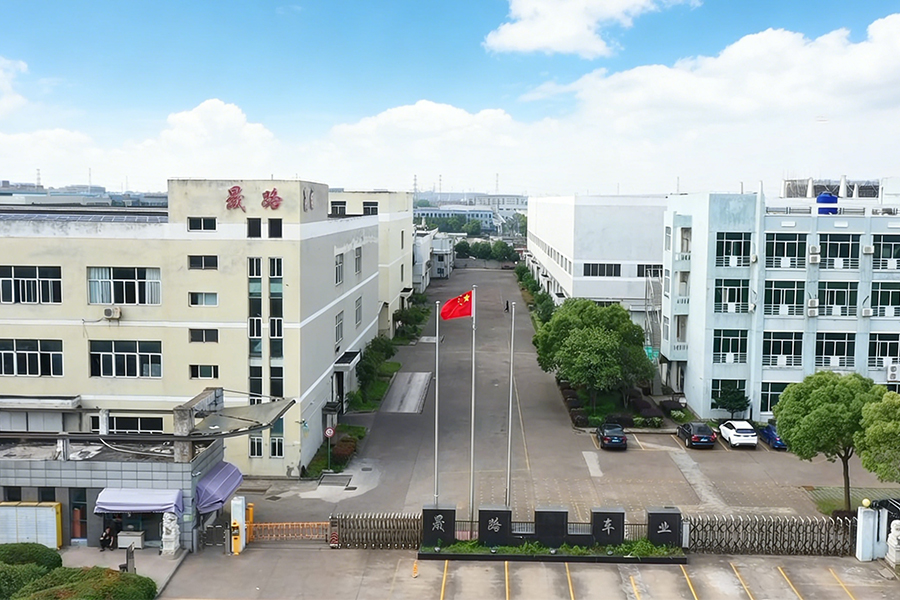
Within the global supply chain system, Custom Single Speed Freewheel Suppliers are responsible for design coordination and specification alignment with bicycle brands, while manufacturers and factories transform designs into mass-producible products. Ningbo Shenglu Bicycle Co., Ltd. plays a role in this industrial ecosystem by continuously promoting automated machining and standardized production processes, ensuring consistent performance across batches of Single Speed Freewheel products.
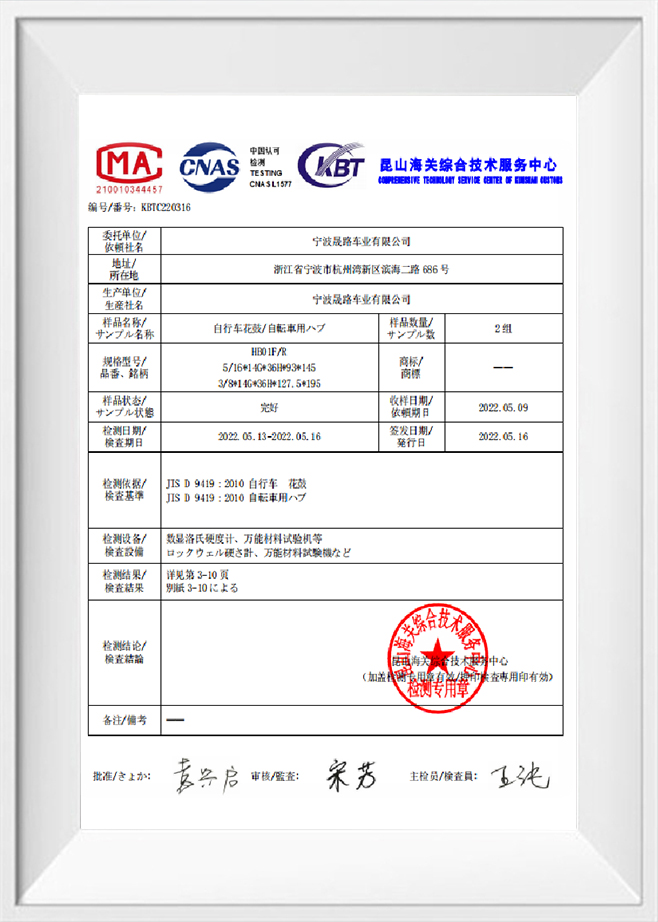
Modern factories also participate in quality control and testing processes, including torque testing, durability testing, and corrosion resistance evaluation. Especially in export markets, manufacturers must meet different regional safety and mechanical strength standards, making comprehensive manufacturing capability a key competitive factor.
In addition, supplier systems cooperate with brands to complete certification and structural validation, ensuring compatibility with different hub systems and frame standards, thereby expanding market applications.
Customization System and Expansion of OEM/ODM Application Scenarios
In the current bicycle industry structure, Custom Single Speed Freewheel Manufacturers and Suppliers are shifting from simple production roles to comprehensive solution providers. Customization capabilities are no longer limited to size adjustments but also include structural design, material optimization, surface treatment, and branding systems.
In structural customization, different frame systems require different axle standards and spacing configurations. Freewheel products must be adapted to different hub systems through optimized design. Manufacturers often use modular design methods to achieve flexible production across multiple specifications.
Material and surface treatment systems are also key elements of customization. Depending on usage environments, manufacturers may adjust aluminum alloy compositions or steel grades to improve strength or reduce weight. Surface treatment processes such as anodizing, electrophoresis, and plating are used to enhance corrosion resistance and maintain consistent appearance quality for branding needs.
Brand customization plays an important role in OEM and ODM cooperation. Manufacturers support laser marking, logo engraving, and customized packaging systems to ensure consistent brand identity across large-scale production. Packaging solutions are also designed with international logistics conditions in mind to reduce damage during long-distance transportation.
In terms of application scenarios, Single Speed Freewheel is widely used in urban commuter bicycles, shared bicycle systems, folding bicycles, and customized bicycle models. Different markets prioritize different performance aspects such as durability, maintenance cost, aesthetics, and weight optimization.
Within the supply chain system, manufacturers, suppliers, and factories form a closely integrated cooperation network. Custom Single Speed Freewheel Suppliers not only provide products but also participate in technical validation and market adaptation analysis, ensuring stable performance across different riding environments.
With increasing global demand for personalization and functional performance in the bicycle industry, Single Speed Freewheel Manufacturers continue to optimize machining precision, structural reliability, and system compatibility to enhance adaptability across diverse cycling conditions.
FAQ
Q1: What types of bicycles are Single Speed Freewheel commonly used on?
Single Speed Freewheel is mainly used in urban commuter bicycles, folding bicycles, and some retro or customized bicycle systems. It features a simple structure and low maintenance cost.
Q2: What customization options can Custom Single Speed Freewheel Manufacturers provide?
Manufacturers can provide customization in structural dimensions, axle specifications, material selection, surface treatments, and branding identification to meet OEM and ODM requirements.
Q3: What roles do suppliers and factories play in the industry chain?
Suppliers are mainly responsible for specification coordination and market requirement analysis, while factories handle machining, assembly, and quality control to ensure mass production standards.
Q4: What factors determine the durability of a Single Speed Freewheel?
Durability depends on material strength, machining precision, sealing design, and lubrication structure, all of which affect service life and riding smoothness.
Q5: What is the role of Ningbo Shenglu Bicycle Co., Ltd. in this product field?
Ningbo Shenglu Bicycle Co., Ltd. has systematic manufacturing capabilities in bicycle components. Through automated machining and quality control systems, it provides stable mass production and customization support for Single Speed Freewheel products.



 English
  русский
  Français
  Español
  Português
  عربى
عربى